In his recent conversation with Black Girl Nerds, Delroy Lindo offered a rich, introspective look into his transformative performance in Ryan Coogler’s latest film Sinners. Known for his emotional precision and formidable presence, Lindo uses the role of bluesman Delta Slim not simply as an acting challenge, but as an opportunity to excavate history, interrogate genre, and deepen his own artistic lineage. Across the interview, he walked us through expectations, process, and philosophy revealing how every choice was connected to something larger than the performance itself.

Lindo understands that audiences often approach a Ryan Coogler project with superhero-era assumptions, an expectation shaped heavily by Coogler’s work on Black Panther and Wakanda Forever. But from the beginning of Sinners, Lindo knew Coogler was reaching into different territory entirely. This wasn’t about vibranium or world-saving stakes; this was about the intersections of horror, folklore, spirituality, and the blues all converging in a film that refuses a neat genre label.
“I was hoping that audiences… would not be expecting Black Panther 3,” Lindo says. “Because I knew that Ryan was traversing the areas between genre, as in, you know, horror or vampire. But I also was very clear that he was telling a much larger story, and I was hoping that audiences would plug into that, the larger themes, and that has proven to be the case.”
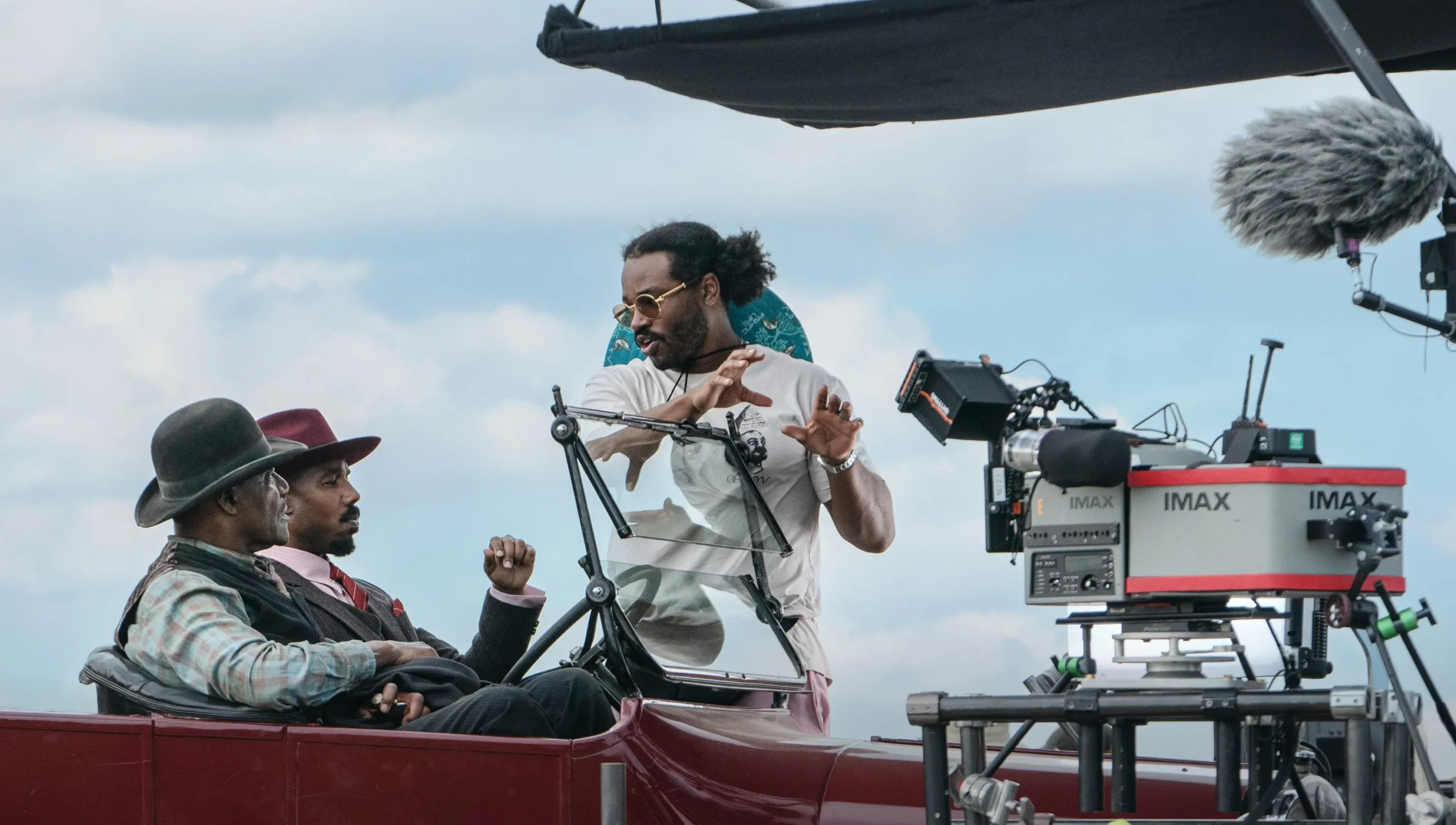
What “larger themes” means is left open for audiences to interpret — trauma, legacy, the haunting nature of American history — but the invitation is deliberate. Lindo approached the role knowing that Sinners is as grounded in the humanities as it is in the supernatural. And in doing so, he offers a deeply human anchor for a film in constant dialogue with the past.
For Lindo, Delta Slim is a continuation of a path he’s been walking for years. He sees a clear throughline from his electrifying role as Paul in Spike Lee’s Da 5 Bloods to the layered, internal complexity of Delta Slim.
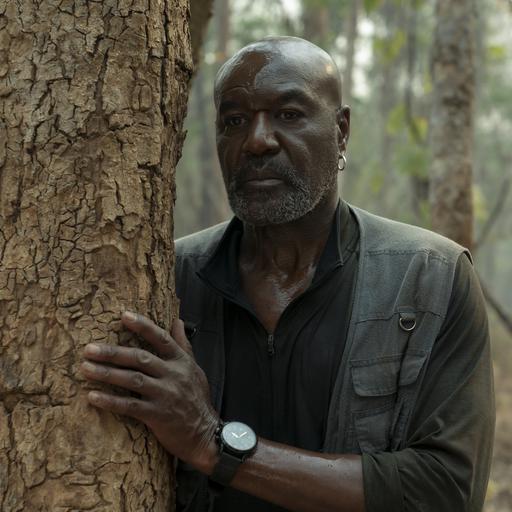
“This current trajectory that I’m on is very much connected to, indirectly, Da 5 Bloods and the work that I did in that film,” he explains. “In terms of spheres of achievement, there is a connection… between Paul in 5 Bloods and Delta Slim in Sinners in terms of how I have applied myself creatively and how… what work has come about as a result of that.”
Audiences who recall his performance in Da 5 Bloods which was a raw, unguarded portrayal of a fractured veteran, can feel this connection immediately. Paul was a man screaming at the world. Delta Slim is his inverse: a man who holds worlds inside of him, sometimes wordlessly. Both require Lindo to reach into the depths of character psychology, but this time, he’s doing it through silence, music, and aura.
What’s striking about Lindo’s performance is not how much he says, but how much he communicates without saying anything at all. This was intentional.
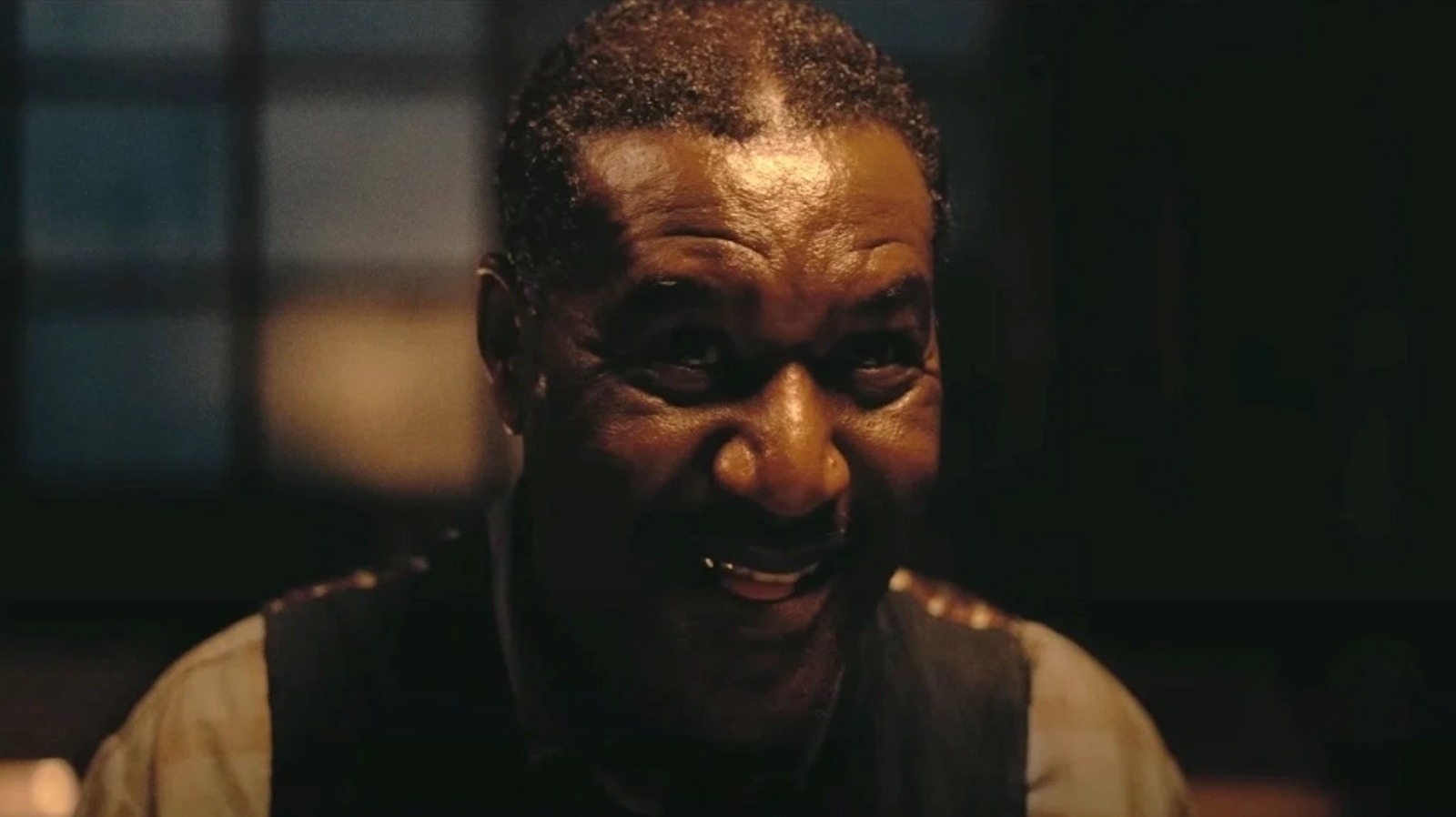
“What I did focus on was presenting as multi-layered a human being as I could,” he says, reflecting on his early process for shaping Delta Slim. Silence becomes a language, a form of biography, and a method of character revelation. Instead of relying on exposition, Lindo let body language, stillness, and subtle emotional shifts speak for him.
It was essential to Lindo that audiences sense the entire life behind Delta Slim. His griefs, his joys, his contradictions. Even when the script didn’t require him to voice them. “I tried to fill in as much biographical information, and have that be present even when I was not speaking,” he says.
This technique makes the performance feel lived-in and deeply real. It also positions Delta Slim as a vessel for a cultural and emotional lineage that extends beyond the narrative of the film.
To embody a blues musician with authenticity, Lindo understood that research wasn’t enough. Emotional osmosis was required.
Ryan Coogler sent him two books to guide his entry point: Deep Blues by Robert Palmer and Blues People by Amiri Baraka (then known as LeRoi Jones). “I read those books,” Lindo shares. “That gave me a solid intro into the world of blues musicians… the practitioners of this incredible art form.”

But the reading was only the beginning. Lindo immersed himself in the music and the musicians who shaped the tradition: Son House, Muddy Waters, Ike Turner, Howlin’ Wolf, and others whose voices carried suffering, ecstasy, rebellion, and truth.
He listened not just to their songs but to their interviews — studying the way they walked, held themselves, and spoke. “One gets a sense of their lives and their lifestyles… how they are as human beings, how they carry themselves through the world,” he says.
From this constant intake of sound, story, and presence, he began crafting the internal life of Delta Slim. The role became a composite of historical echoes and personal intuition; a bluesman haunted not by demons, but by truth.
Through an almost spiritual fusion of research, embodiment, and imaginative biography, Lindo sought to ensure Delta Slim emerged not as a blues caricature, but as a “particular human being” with a full and complicated interior world.
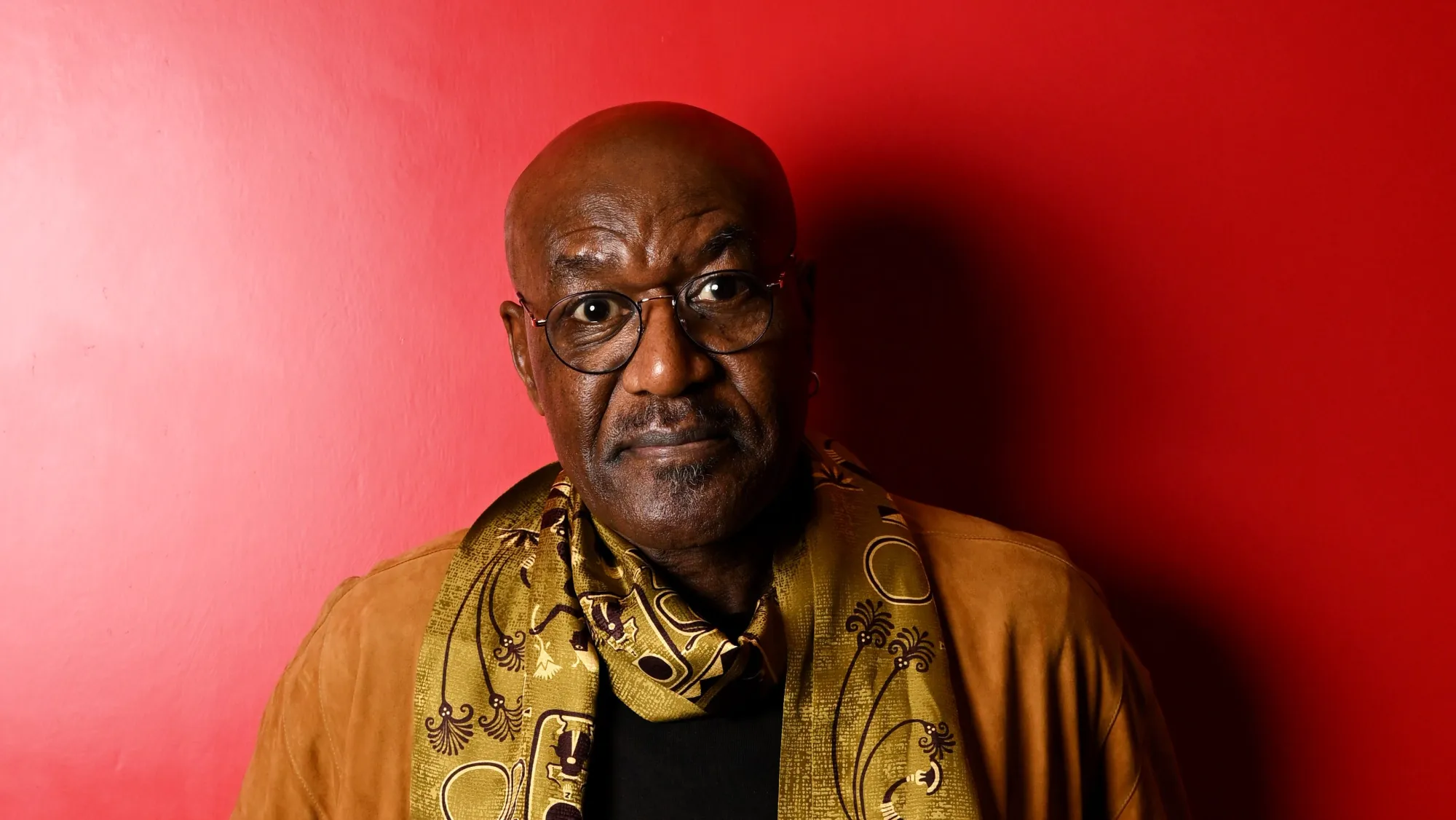
Ultimately, Lindo’s portrayal stands as a reminder of the power of character work grounded in history and lived experience. Through silence, lineage, and the soul of the blues, he shapes a character who feels both timeless and startlingly present.
As audiences continue to discover Sinners, Lindo’s Delta Slim becomes more than a role, he becomes a testament to the cultural memory embedded within Black American art and to the enduring power of storytelling across generations.