Quentin Tarantino has never been afraid to stir controversy, but his recent comments about Paul Dano mark a new level of unnecessary cruelty and they reveal something deeper about the filmmaker’s long, troubling pattern of belittling others while refusing to examine himself.
Appearing on The Bret Easton Ellis Podcast, Tarantino unloaded on Dano’s performance in There Will Be Blood, a film he still considers one of the best of the century. But admiration didn’t stop him from attacking one of its central actors.
“And the flaw is Paul Dano,” Tarantino said. “Obviously, it’s supposed to be a two-hander, and it’s also so drastically obvious that it’s not a two-hander. He is weak sauce, man. He’s a weak sister.”
The director went on, insisting, “I’m not saying he’s giving a terrible performance. I’m saying he’s giving a non-entity performance. I don’t care for him. I don’t care for Owen Wilson, I don’t care for Matthew Lillard.”
These remarks aren’t film criticism. They’re derision masquerading as discernment. Tarantino wasn’t engaging in thoughtful analysis of Dano’s choices, his interpretation of Eli Sunday, or even the dynamics of the film. Instead, he chose to insult him personally, positioning the actor not simply as miscast but as professionally worthless.
The irony, of course, is that this comes from a director whose own career has been defined by persistent criticism and not for minor acting decisions. Tarantino’s body of work is praised for its cinematic flair, but the controversies that surround him are just as iconic as his movies.
His public issues go back decades. Spike Lee famously rebuked him for his overzealous use of the N-word — a signature of Tarantino’s screenwriting that too often feels less like subversion and more like indulgence. Then there’s the unending debate over Tarantino’s long list of cinematic “inspirations.” Even he has admitted, “I steal from every single movie ever made.” And anyone who has watched a Sergio Leone film can see the direct line between Leone’s compositions and Tarantino’s bravado.
But the criticisms most damning are the ones involving his treatment of women on set. The stunt-driving crash on Kill Bill Vol. 2 left Uma Thurman with permanent injuries, a stunt she should never have been pressured to perform. There is also the story of Tarantino choking Diane Kruger during filming, insisting on doing it himself to “get the shot.” These aren’t anecdotes about artistic passion; they’re evidence of a director who too often disregards the safety and autonomy of the people who bring his vision to life.
Then there’s the elephant in the room: his 25-year relationship — both professional and personal — with a known sexual predator whose name has dominated the entire film industry. Tarantino’s repeated defenses and excuses over the years have aged poorly, to put it mildly.
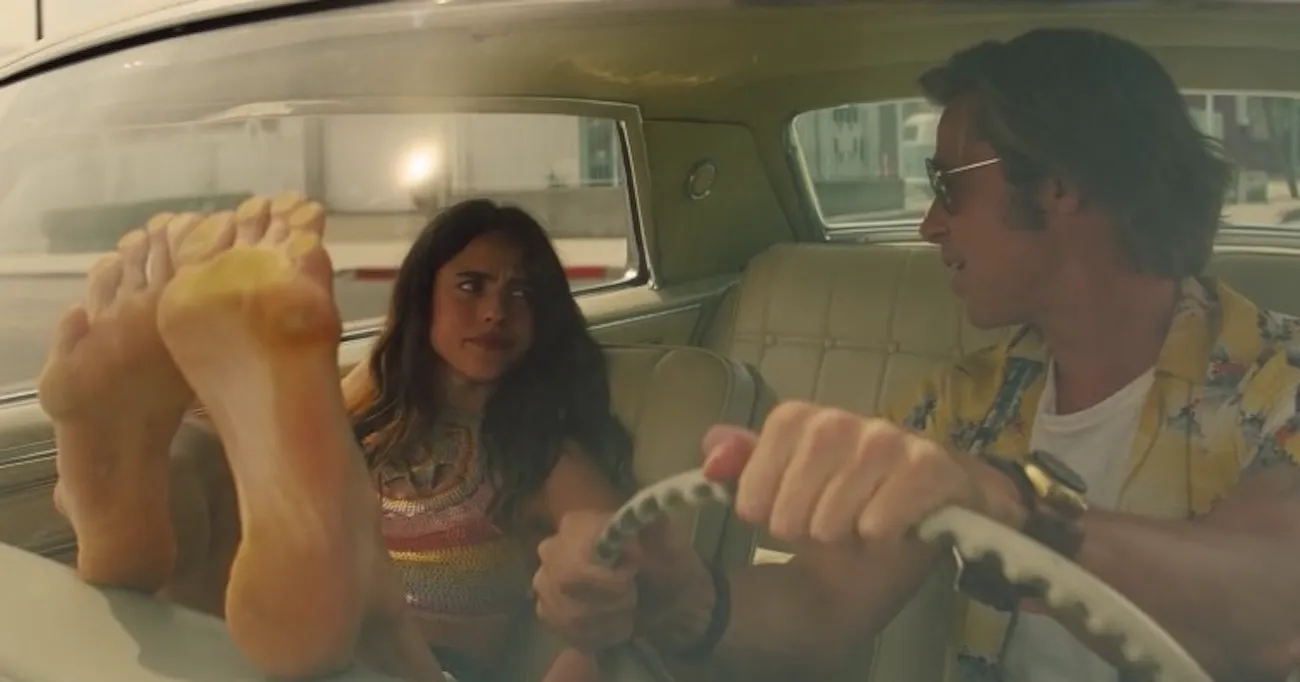
And yes, even the “Tarantino foot fetish” discourse, often treated as a joke, is part of the larger narrative. The persistent, lingering, almost reverential foot shots in Pulp Fiction, Kill Bill, Once Upon a Time in Hollywood, Death Proof, Jackie Brown, and beyond cease being charming quirks when stacked against allegations of inappropriate behavior and boundary crossing. Patterns matter. In Tarantino’s case, those patterns point to a filmmaker whose obsessions often blur into discomfort.
So when Tarantino calls Paul Dano “weak sauce,” it lands differently. Not because Dano can’t handle criticism, he’s one of the most consistently compelling actors of his generation, but because the attack comes from someone who has long avoided accountability for far more serious issues.

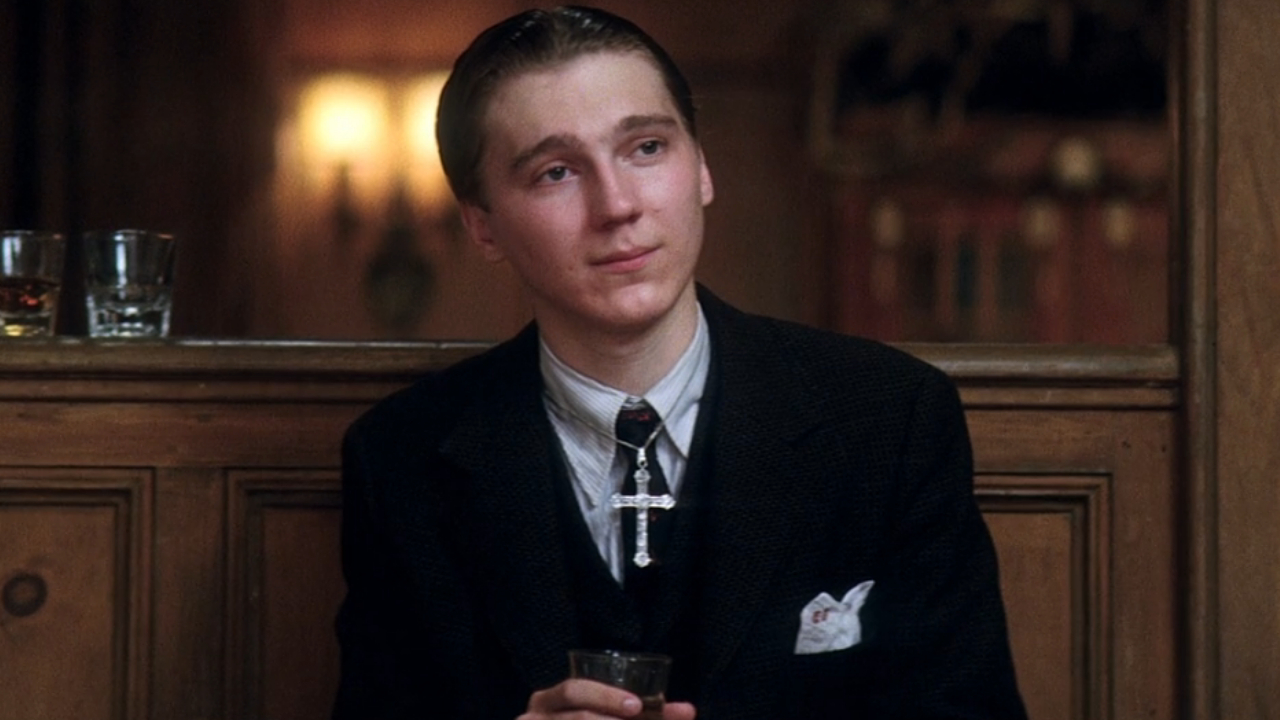
Dano’s work in There Will Be Blood has been praised for years. He was directed by Paul Thomas Anderson, one of the most meticulous filmmakers alive, and held his own opposite Daniel Day-Lewis. To reduce him to a “non-entity” is not only unfair; it ignores the nuance and quiet devastation that made Eli Sunday a core part of the film’s emotional power.
Ultimately, Tarantino’s latest tirade isn’t about Dano at all. It’s about Tarantino — a director who has thrived on controversy, who sees provocation as a brand, and who seems to believe that cruelty equals candor.
But there is a difference between honesty and hostility. There is a difference between critique and contempt.
And as Hollywood continues to grapple with power imbalances, unsafe working environments, and the mistreatment of performers, Tarantino’s comments remind us that some of the industry’s most celebrated voices still haven’t figured out that punching down isn’t art, it’s insecurity.
Tarantino’s films may be legendary. But his behavior, again and again, reveals a creator far less bold, far less innovative, and far less insightful than he imagines himself to be.