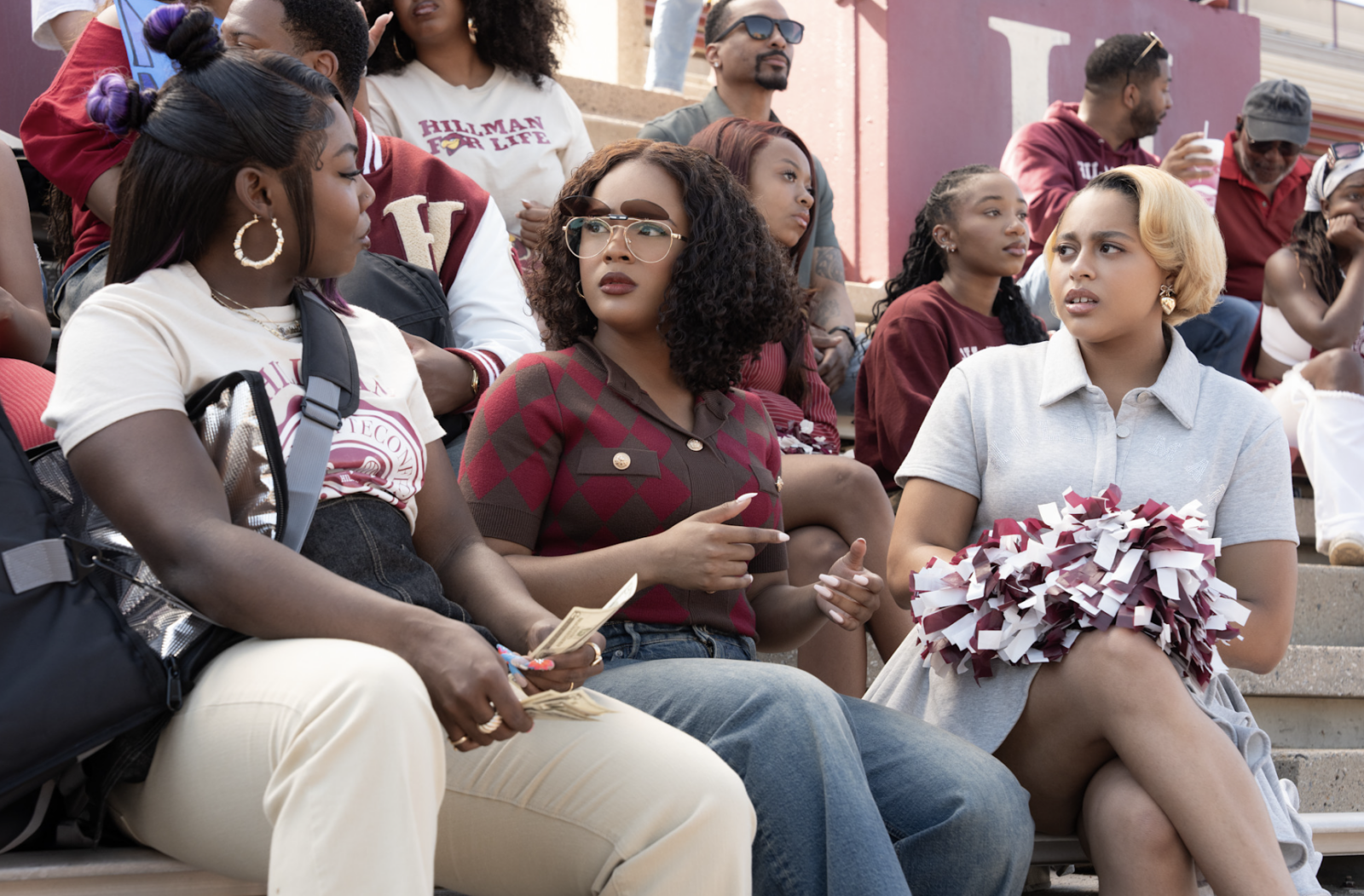

Black girls deserve room to be brilliant, bubbly, ambitious, uncertain, and still figuring things out. Sometimes, all of those things show up in the same person. In BGN’s interview with the cast of A Different World, Maleah Joi Moon, Kennedi Reece, and Alijah Kai discussed bringing that complexity to their characters and why it matters.
Through Deborah, Hazel, and Rashida, the actors described young Black women whose personalities and experiences resist easy labels. Their conversation touched on neurodivergence, the assumptions people make about Black women, and the kind of friendship that makes space for everyone to succeed.
And yes, there is room for all of that in a story about finding yourself.
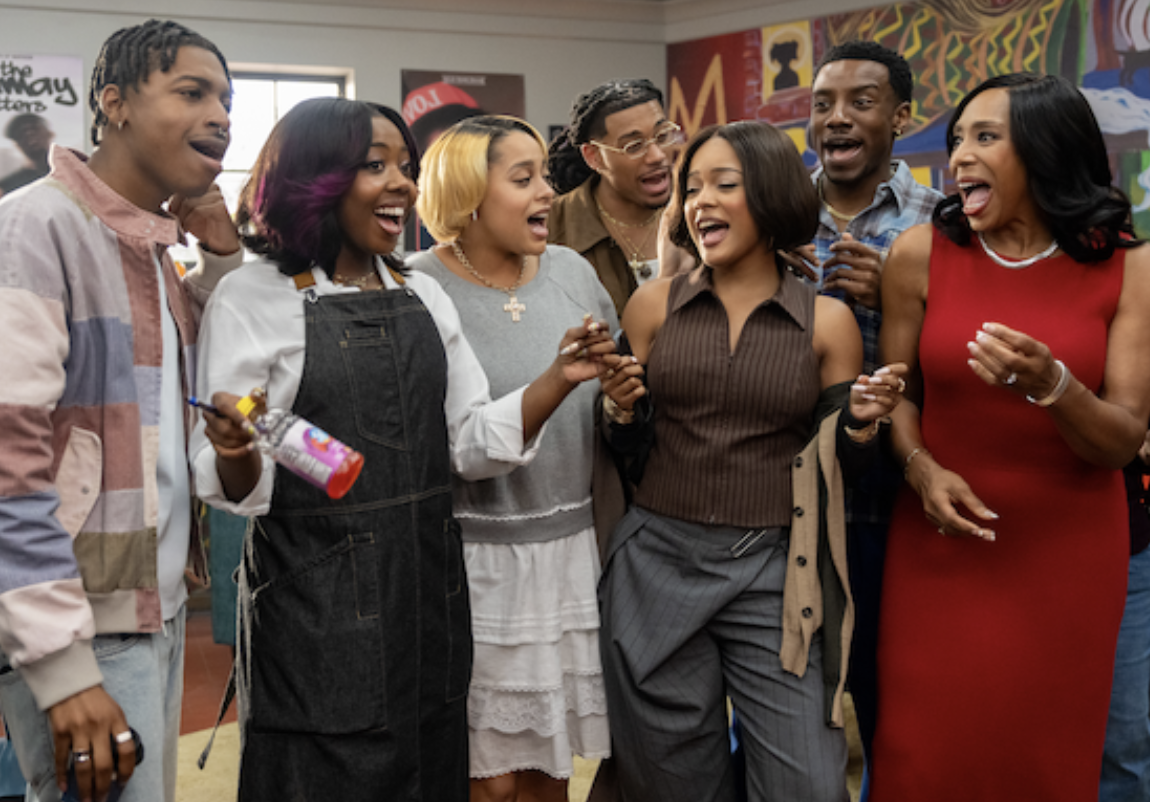
Maleah Joi Moon on Deborah’s Neurodivergence and Layered Identity
For Moon, portraying Deborah means holding several parts of her identity together. Her character’s learning needs exist alongside privilege, legacy, and the pressure of discovering who she wants to become.
Discussing Deborah’s neurodivergence and ADHD, Moon called it “a super stigmatized conversation for Black women in particular.”
That observation gets at an important question for representation: What happens when a young Black woman needs support, but the people around her see only her accomplishments or the advantages she comes from? A prestigious background does not tell us everything about how someone learns, what challenges she faces, or what she needs to thrive.
Moon spoke about the opportunity to portray those experiences together.
“Being able to represent this young girl who has learning needs and is also still somehow like prestigious and comes from legacy but is finding herself but is also privileged,” she said, means navigating “many different parts of a layered experience.”
She connected that complexity to the environment of an HBCU, where students can share a cultural connection while arriving with different backgrounds, resources, and understandings of themselves. Deborah’s story offers a way to explore those differences within one character. She can have access and still need assistance. She can carry a family legacy and still be working out her own identity. None of those experiences cancels out the others.
Black girl excellence should leave room for learning needs, vulnerability, and support. A young woman should not have to appear effortlessly capable at every moment to be recognized as worthy.
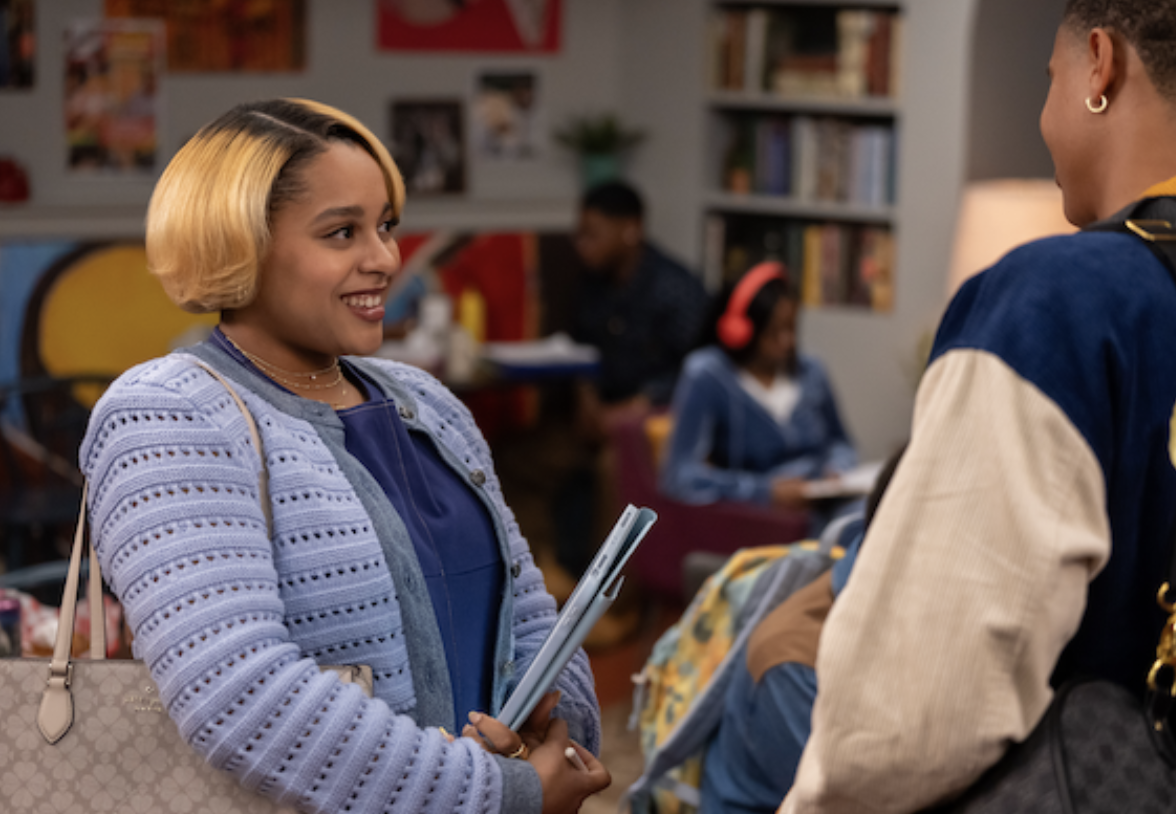
Kennedi Reece Wants Hazel to Challenge the Labels
Reece’s approach to Hazel centers on giving young Black girls permission to exist beyond other people’s expectations.
“That’s something that’s so important to let young Black girls know,” she said, “that they don’t have to be pigeonholed into just one type of person, one type of aesthetic, one type of anything.”
There is a particular freedom in that statement. Young women are often expected to make themselves immediately understandable: the smart one, the outgoing one, the serious one. Once a label sticks, every other part of their personality can become something they have to explain.
Reece wants Hazel to have room for apparent contradictions.
“She might come off a little ditzy,” she explained. “She might come off just like kinda bubbly and open, but that doesn’t mean she’s not smart.”
Exactly. A bubbly personality is not an intelligence test. Hazel’s openness should not require viewers to dismiss her intellect, just as being smart should not require her to become reserved or solemn. Reece’s comments invite audiences to reconsider what they assume about a person based on how she presents herself.
“We’re not a monolith,” she said.
That idea runs through the interview. Meaningful representation gives Black women distinct personalities and allows those personalities to contain surprises. Hazel can be lighthearted and thoughtful. She can lead with warmth and still have something valuable to say.
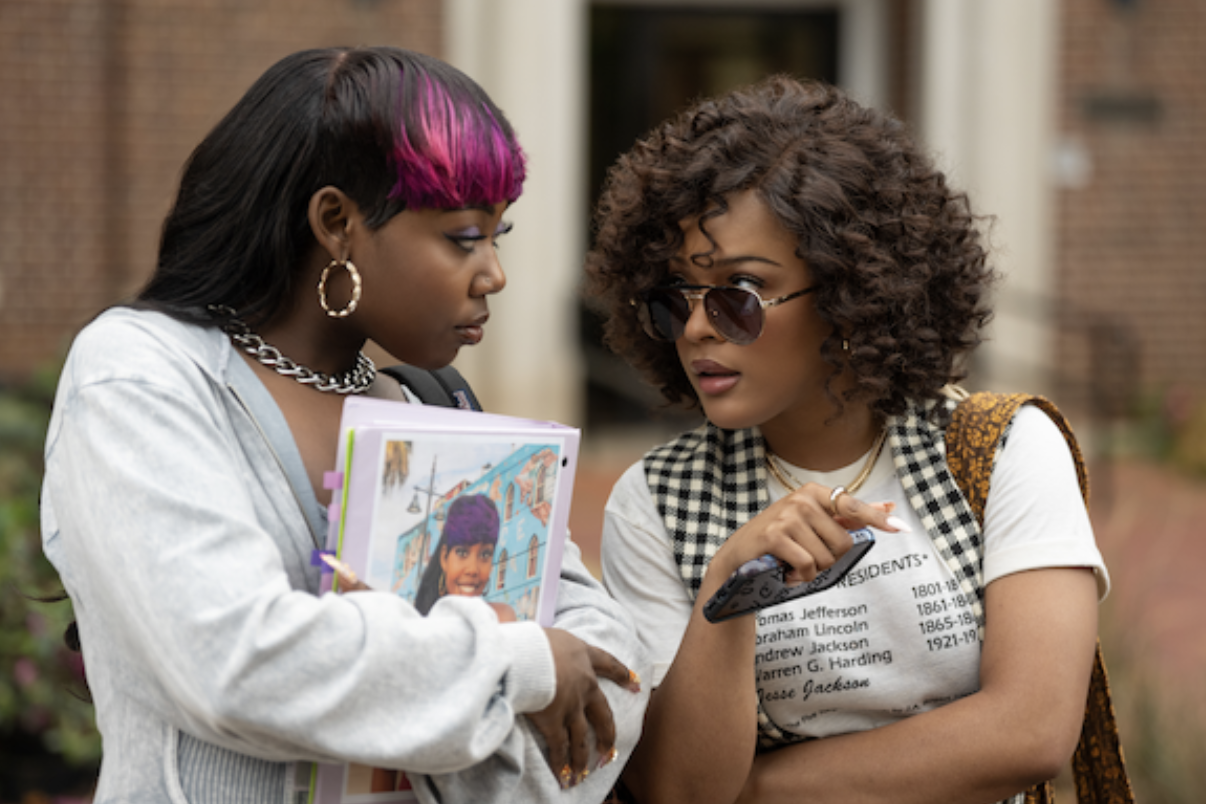
Alijah Kai Brings Her Own Community Spirit to Rashida
For Kai, connecting with Rashida comes naturally because she recognizes something of herself in the character: a desire to see the people around her win.
“I very much want everybody, like, everybody in my team, all of my friends, I want all of us to be successful at whatever we do,” she said.
Kai also spoke about her love of sharing knowledge and education within her circle. That generosity gives her a personal point of connection with Rashida and offers another way to think about ambition.
Success can include bringing your people along. Sharing what you know, encouraging a friend’s goals, and celebrating someone else’s progress can be part of building your own future. In a college setting, that impulse creates space for a compelling kind of sisterhood. Students are discovering their strengths and making decisions about who they want to become. Having someone invested in your growth can make that process feel less lonely.
Kai’s comments suggest that Rashida’s care for others is a quality she understands from experience, giving her something personal to draw on in the role.
Making Room for More Than One Kind of Black Girl
Across BGN’s conversation with Moon, Reece, and Kai, one theme kept emerging and that is Black girls deserve to be understood in their fullness.
Deborah brings learning needs, privilege, and self-discovery into the same conversation. Hazel challenges the assumption that a bubbly young woman cannot also be intelligent. Rashida reflects the joy of wanting success for an entire circle of friends.
These characters give the cast different ways to explore identity, belonging, and care. They also offer audiences an invitation to look beyond a first impression.
Let Black girls be complicated. Let them need help. Let them be playful, knowledgeable, and generous. Give them the space to discover who they are, with a community that makes room for every part of the journey.
A Different World is currently streaming on Netflix.