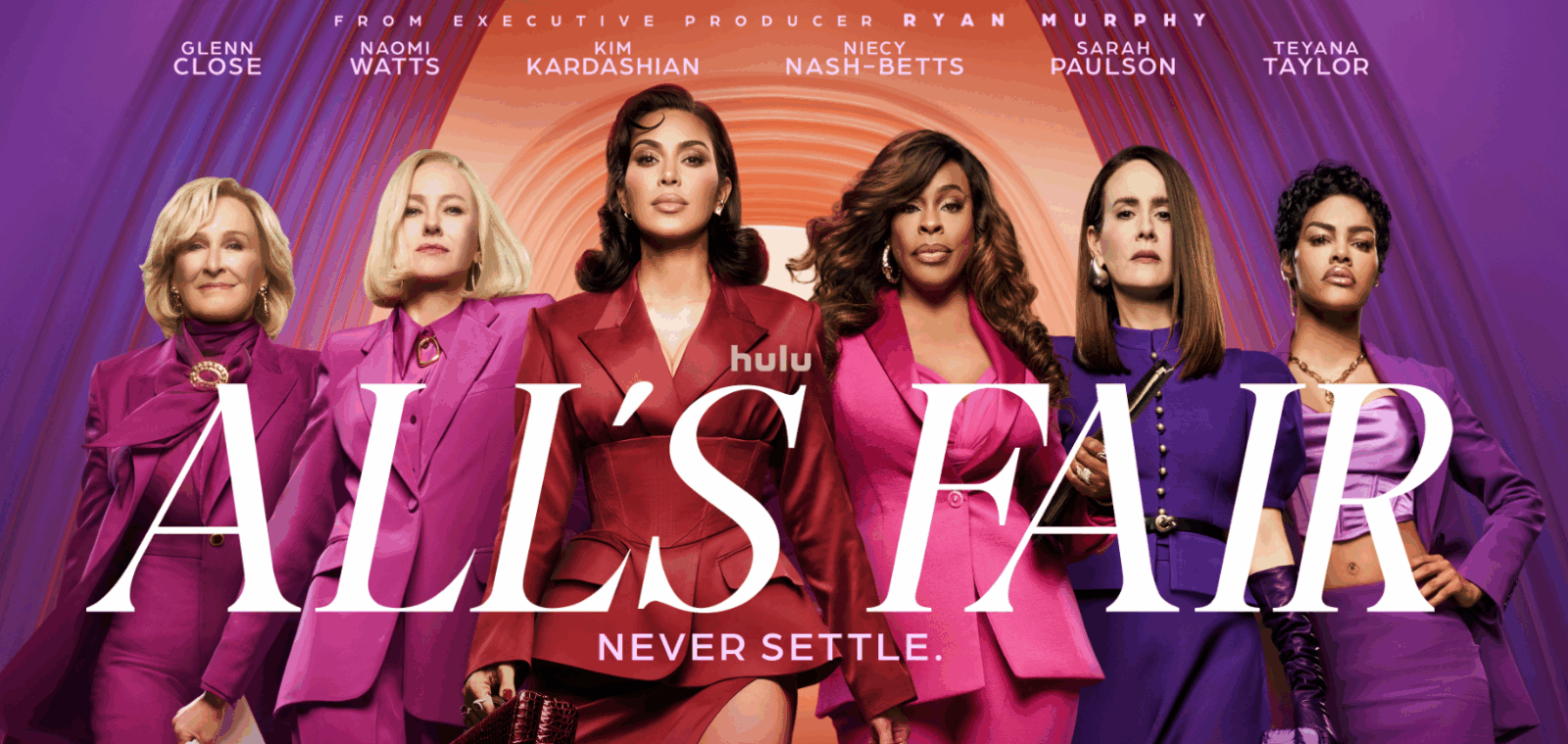

Hulu’s All’s Fair will live to see another day but online, many viewers wish it wouldn’t. The legal drama-comedy, which premiered to dismal critical reception and a notoriously low Rotten Tomatoes score, was officially renewed for Season 2. Instead of excitement, the announcement triggered a familiar wave of frustration across social media and particularly on Threads users aired out their disappointment, confusion, and, in some cases, reluctant acceptance.
After I posted the news on Threads a wave of confusion as to why it was renewed swarmed under the comments. The sentiment dominating the discourse? That All’s Fair isn’t being renewed because it’s beloved, but because people simply couldn’t stop hate-watching it.
One user summed up that frustration bluntly: “Because y’all hate watched it instead of ignored it like y’all should have. Ratings gon’ rate.” Another added a more pragmatic, bittersweet perspective: “Happy for the below the line workers who have jobs to feed their families I suppose.” The tone captures the conflicted mood viewers may not think the show deserves another season, but they also recognize that Hollywood renewals aren’t just about quality. They’re about eyeballs, algorithms, and engagement either positive or negative.
And with All’s Fair, there has been no shortage of engagement.
While Hulu hasn’t released official viewership numbers, the public metrics that are available paint a clear picture: critics widely panned the show. Its Rotten Tomatoes score is currently sitting at 3% and has become a talking point of its own, frequently dragged into Threads discussions as evidence that the renewal makes no creative sense.
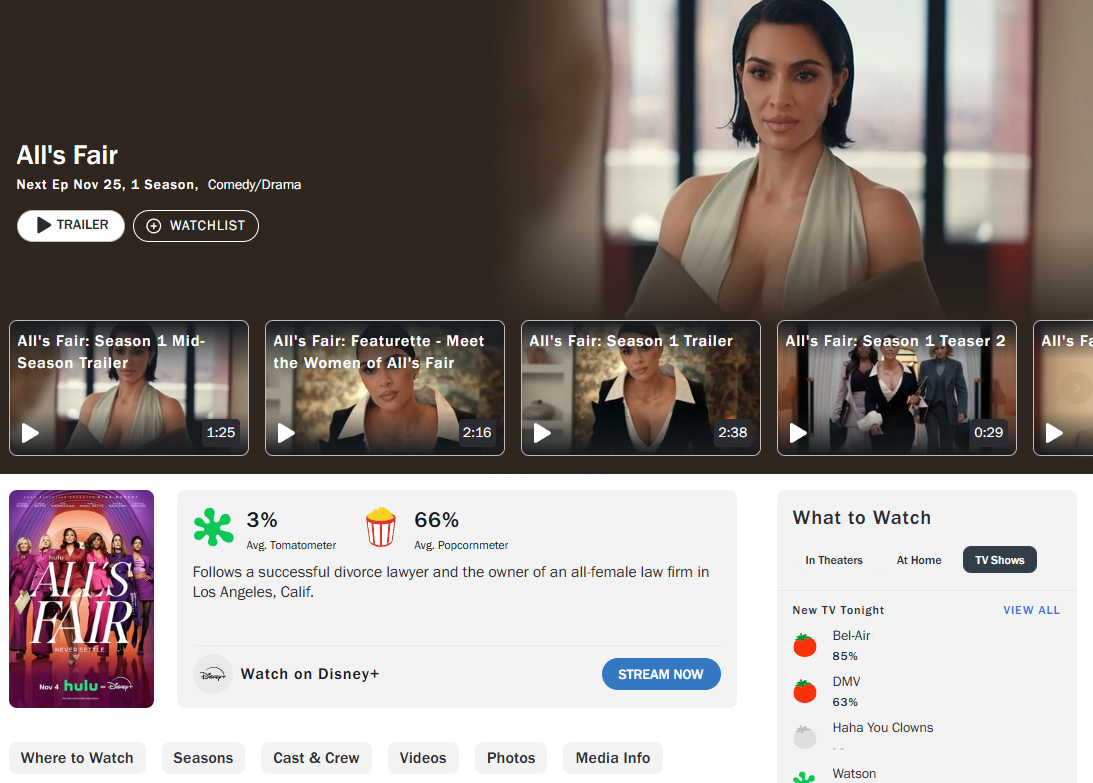
For many, the show’s renewal feels like yet another instance of the industry rewarding mediocrity when a big name is attached. Enter: Ryan Murphy.
Murphy’s name looms large in the discourse. As one of television’s most prolific and polarizing creators, his work often cycles through extremes as well as buzzworthy debuts, messy middles, and endings that leave critics baffled. Yet time and time again, his projects continue to get greenlit.
It’s become a running joke in entertainment circles: no matter how many critical thrashings a Murphy series receives, it will almost certainly get renewed. All’s Fair appears to be no exception. Murphy’s industry clout ensures longevity even when a show is “universally dragged”. To them, the renewal says less about viewer enthusiasm and more about the persistent power Murphy holds within streaming and cable spaces.
And that power isn’t small. Hulu, FX, and Netflix: three major homes for Murphy’s expansive catalog are willing to bank on his brand even when audiences are divided. If anything, division fuels conversation, and conversation fuels streams.
All’s Fair has become the latest example of how hate-watching — now practically a sport on social media — can keep a show alive.
The same viewers who roasted the show every week still tuned in every week, eager to hate their way through the next episode. Recap posts, memes, reactions, and spicy commentary created a feedback loop that Hulu undoubtedly noticed. After all, whether people tune in to swoon or tune in to snark, they’re still tuning in.
While much of the discourse is negative, a vocal minority genuinely enjoys the show and welcomes the renewal. One user called out the hypocrisy they see among detractors: “I like the show. I’m confused as to how y’all purchase Skims, keep up with their content, but this show is where you draw the line.” Their comment taps into a broader debate about the Kardashian-Murphy media ecosystem, where viewers who routinely consume adjacent pop-culture output suddenly claim moral objections to All’s Fair.
This faction admits the show isn’t perfect but they also argue it’s entertaining, easy to watch, and more self-aware than critics give it credit for. And in the crowded streaming landscape, sometimes being watchable is enough.

The renewal is also a reminder of how streaming platforms define success differently than network television. Ratings matter, but so does virality. So does discourse. So does how many times a clip goes semi-viral on TikTok or how often a new episode trends on Threads or any other social media platform.
By those standards, All’s Fair is a hit even if not for the reasons creators might prefer. Murphy knows this. Hulu knows this. And viewers, whether they like it or not, helped prove it.
If the renewal announcement made anything clear, it’s that Season 2 will arrive with even more scrutiny, backlash, and commentary than the first. Fans who already disliked the show will likely continue watching just to keep up with the conversation. Supporters will watch to defend it. And critics will watch to see whether Murphy and the writers adjust the tone, pacing, or storytelling to address early complaints.
No matter what, All’s Fair is going to be talked about.
As long as viewers keep discussing, dissecting, and hate-watching, the show will remain exactly what streaming platforms crave: relevant. And that may be the most frustrating part for its biggest critics.
Season 2 is on the horizon, whether people want it or not and online, the answer is leaning heavily toward not.