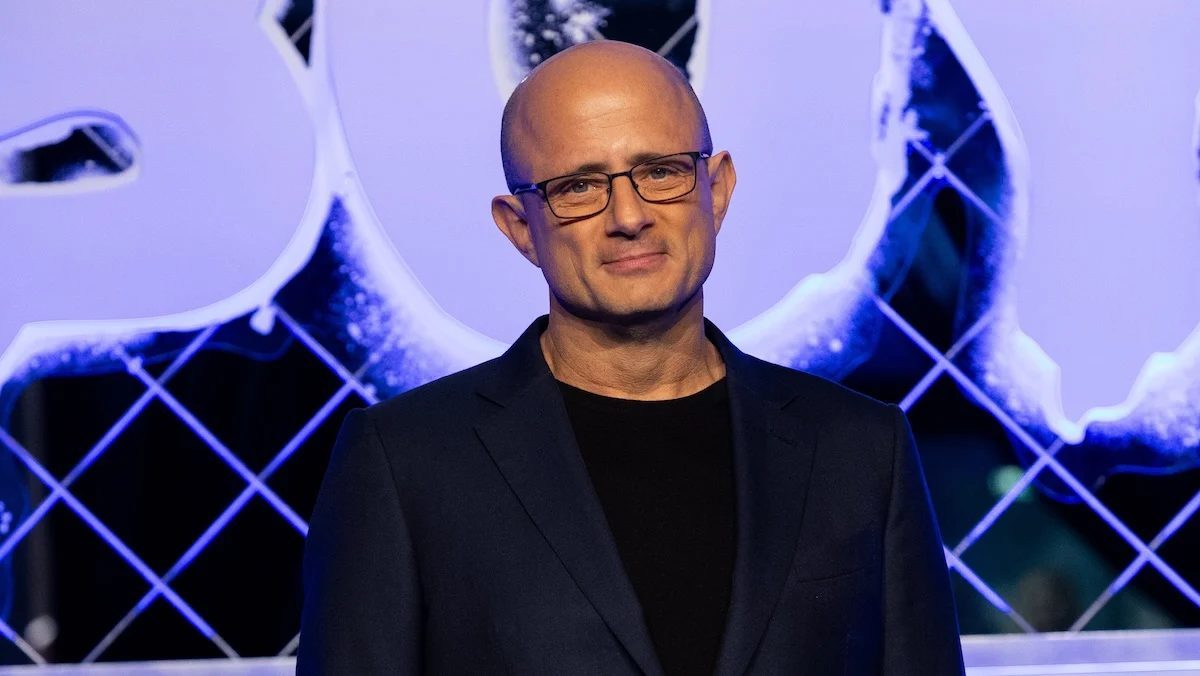

In a conversation with Black Girl Nerds about the final season of The Boys, creator Eric Kripke distilled what has always sat beneath the show’s blood, satire, and corporate superhero chaos: not nihilism, but a kind of stubborn, collective hope that refuses to pretend power will ever save us.
At first glance, that framing might sound almost contradictory to the world Kripke has spent years building. The Boys is a universe where superheroes are corporate assets, institutions are compromised, and violence often replaces accountability. But Kripke pushes back on the idea that this darkness equals despair. Instead, he argues the show is built on a more uncomfortable truth; systems fail people, and people still have to find ways to keep each other alive in spite of that failure.
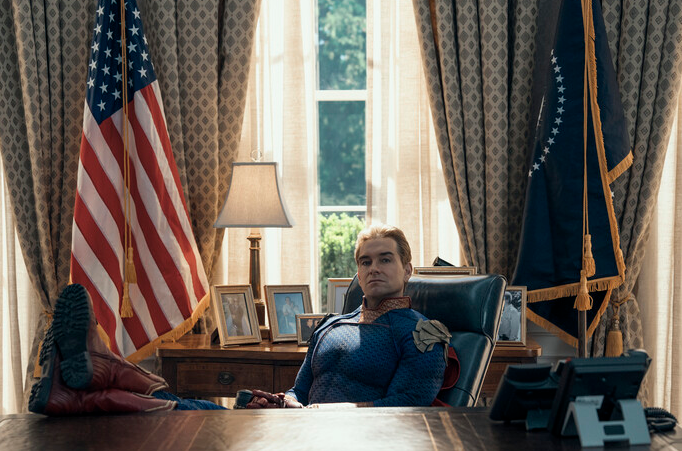
The clearest articulation of that idea comes in his reflection on power itself. Kripke is blunt: “you can’t trust people in power.” He doesn’t soften it with caveats or exceptions. The point is not that all leadership is corrupt in a cartoonish sense, but that institutional power, by design, is not a reliable source of rescue. As he puts it, “they’re not coming to save you.”
That line lands like a thesis statement for both the interview and the series. In Kripke’s view, waiting for a savior, whether political, corporate, or superhuman, is the real delusion. The alternative is something smaller, messier, and more human. “No one is coming to save you,” he says, repeating the idea with deliberate emphasis, before offering the pivot; “so get to work saving each other.”
What makes this framing especially interesting is how far it moves away from traditional superhero mythology. In most comic book narratives, heroism is exceptional. We’ve certainly see this play out in the Marvel Cinematic Universe. It is about the chosen few, the powered few, the destined few. Kripke instead strips heroism down to something almost anti-spectacle. It is not about grand gestures or final victories, but instead it is about continuity and showing up again.
He describes it as “these million boring little moments of grace,” scattered across failure, setback, and recovery. In other words, heroism is not a peak moment. It is a pattern of persistence. People fall, people fail, and then people try again. “Just the human act of getting up every time is the most heroic thing you can do,” he explains.
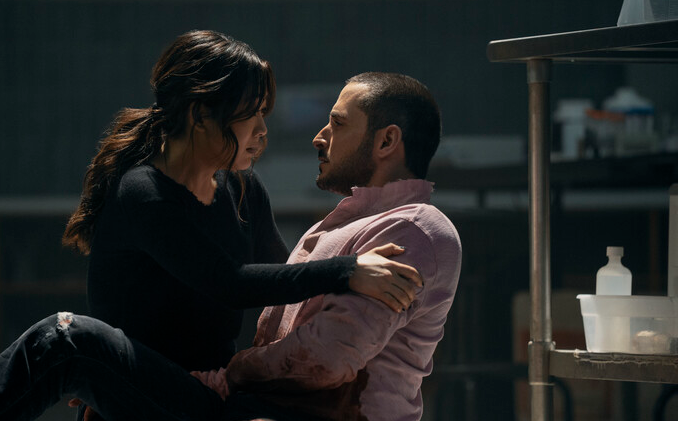
That idea reframes what The Boys has always been doing beneath its shock value. Yes, it is a critique of power, celebrity, and commodified morality. But Kripke is suggesting something more constructive sits underneath the cynicism which is a belief that even in a corrupted system, human beings can still choose how they respond to each other in the cracks.
Importantly, he resists calling this optimism in a simple sense. It is not a promise that things get better. It is not a guarantee of justice. It is closer to endurance. A refusal to collapse into passivity. Hope, in this formulation, is not a feeling but a practice.

As the series moves toward its final episode, that framing gives the show’s violence and satire a different weight. The question is not whether the system can be fixed from the top. Kripke already answers that. It cannot. The question is what people do with each other once that truth is accepted.
In a culture saturated with narratives about saviors, chosen ones, and institutional rescue arcs, Kripke’s final takeaway is deliberately modest and quietly radical. Do not wait. Do not assume rescue is coming. Pay attention to the small acts. And when everything breaks again, get back up.
The series finale of The Boys is currently streaming on Prime Video.