Jamie Broadnax is the creator of the online publication and…
Spread the love
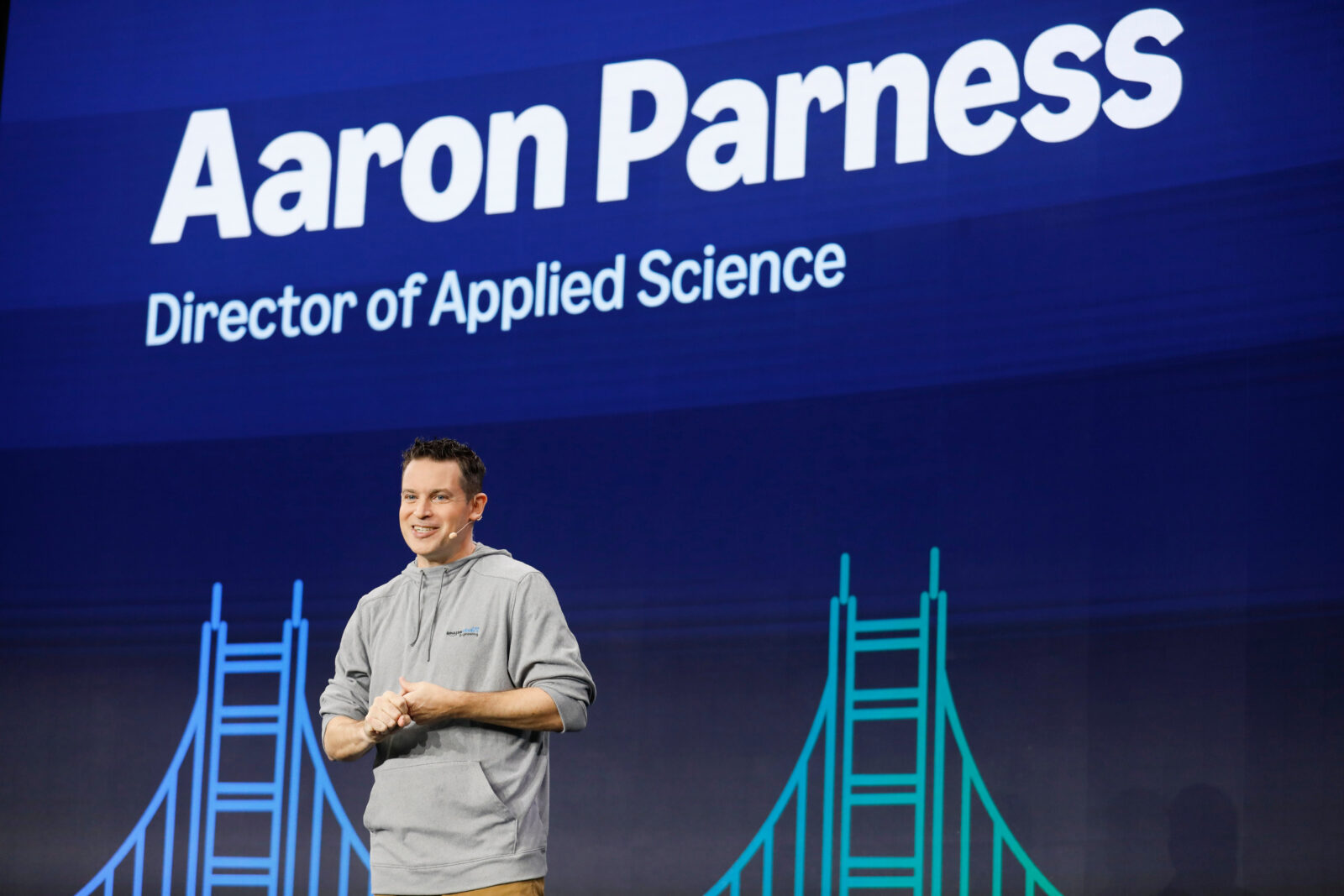
In the ever-evolving world of automation, few figures embody the balance between scientific ingenuity and ethical foresight as well as Aaron Parness, Director of Applied Science in Robotics and AI at Amazon. With a career that bridges the cutting-edge of research and the realities of industrial deployment, Parness leads the Vulcan Stow and Vulcan Pick teams across the U.S., Canada, and Germany, pioneering robotic manipulation systems designed to handle the complexities of fulfillment both inside and outside the warehouse.
Before joining Amazon, Parness spent nine years at NASA’s Jet Propulsion Laboratory (JPL), where he founded and built the Robotic Prototyping Lab. There, he focused on rapid prototyping and iterative design to create robotic systems capable of tackling extreme environments from extraterrestrial terrain to intricate human-scale tasks. This foundation in research and experimentation now informs his leadership at Amazon, where he develops robots that blend precision engineering with scalable, real-world application.
When asked about Amazon Robotics’ approach to responsible AI, particularly regarding transparency, safety, and bias mitigation, Parness acknowledged that while many of the broader AI ethics debates such as algorithmic bias or data privacy are less central to warehouse robotics, responsibility remains at the core of their design philosophy. BGN briefly interviewed him during a roundtable discussion at Delivering The Future in San Francisco.
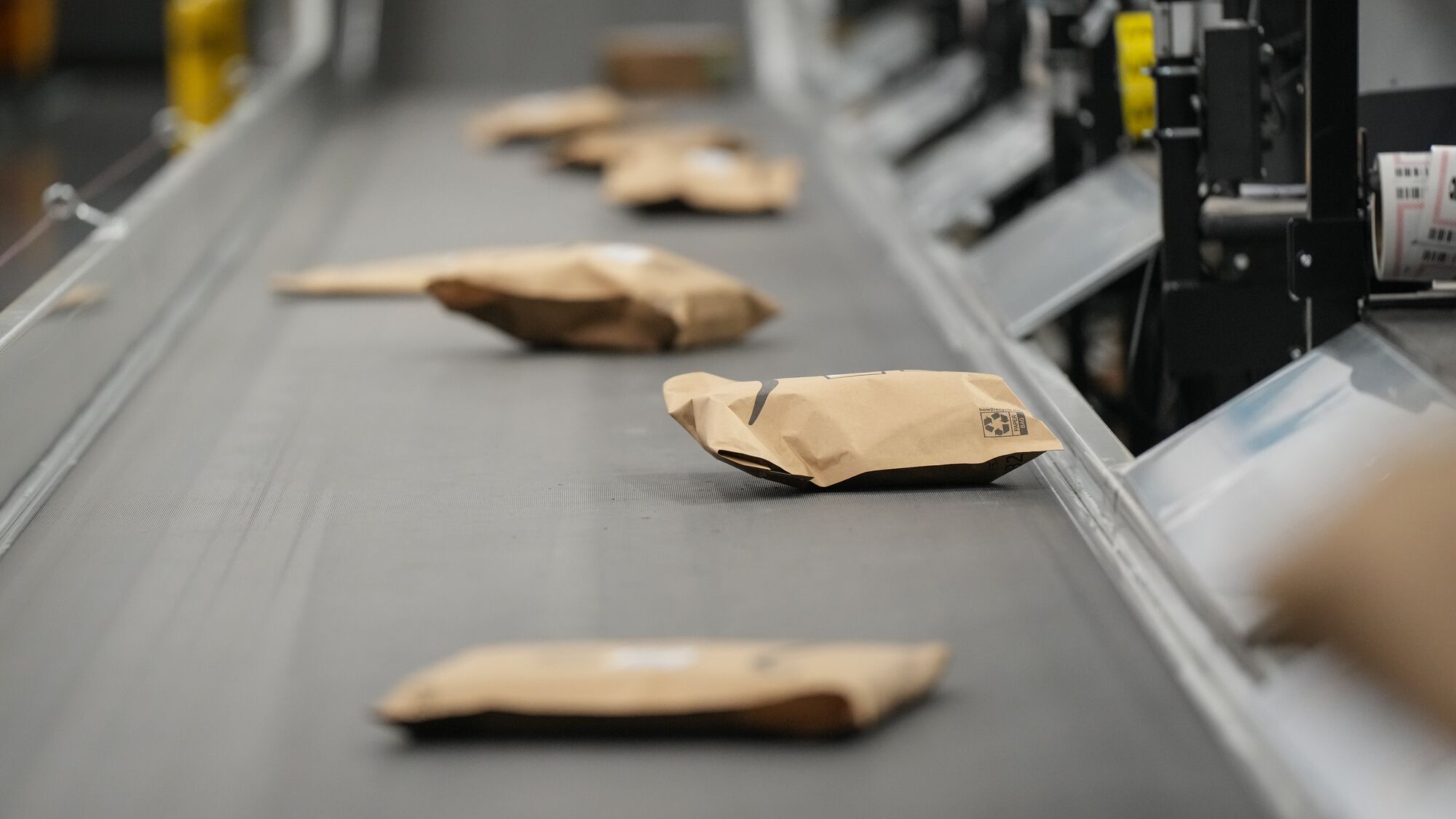
“It’s a really important topic in AI,” he said. “For Amazon Robotics, we see a piece of it, but a lot of the larger concerns are not always at the forefront of our products. The robot trying to determine if it’s a cardboard box versus a paper mailer doesn’t raise major bias concerns but safety, that’s where responsibility becomes essential.”
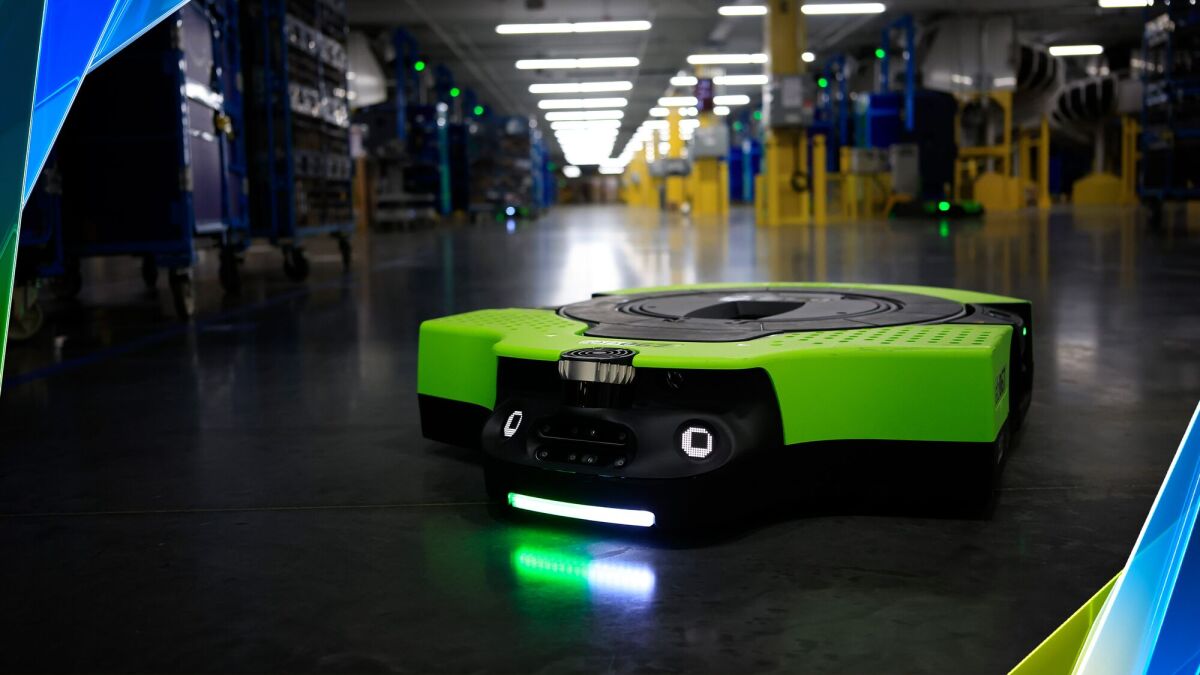
One prime example is Amazon’s Proteus robot, a mobile system designed to move autonomously outside fenced areas where human workers operate. Proteus represents a significant leap in collaborative robotics, requiring sophisticated systems to ensure safe interaction between humans and machines.
“Proteus can operate alongside people,” Parness explained. “We want to make sure the robot is trained to be safe but also to give social cues to workers to signal what it’s going to do, where it’s going to go.” In a thoughtful touch, the robot includes digital “eyes”. Not as functional sensors, but as a communication tool. “They’re not real eyes,” Parness clarified, “they’re a monitor display that helps the robot appear more understandable to the people working nearby. It’s about creating a better engagement between humans and the machines they share space with.”
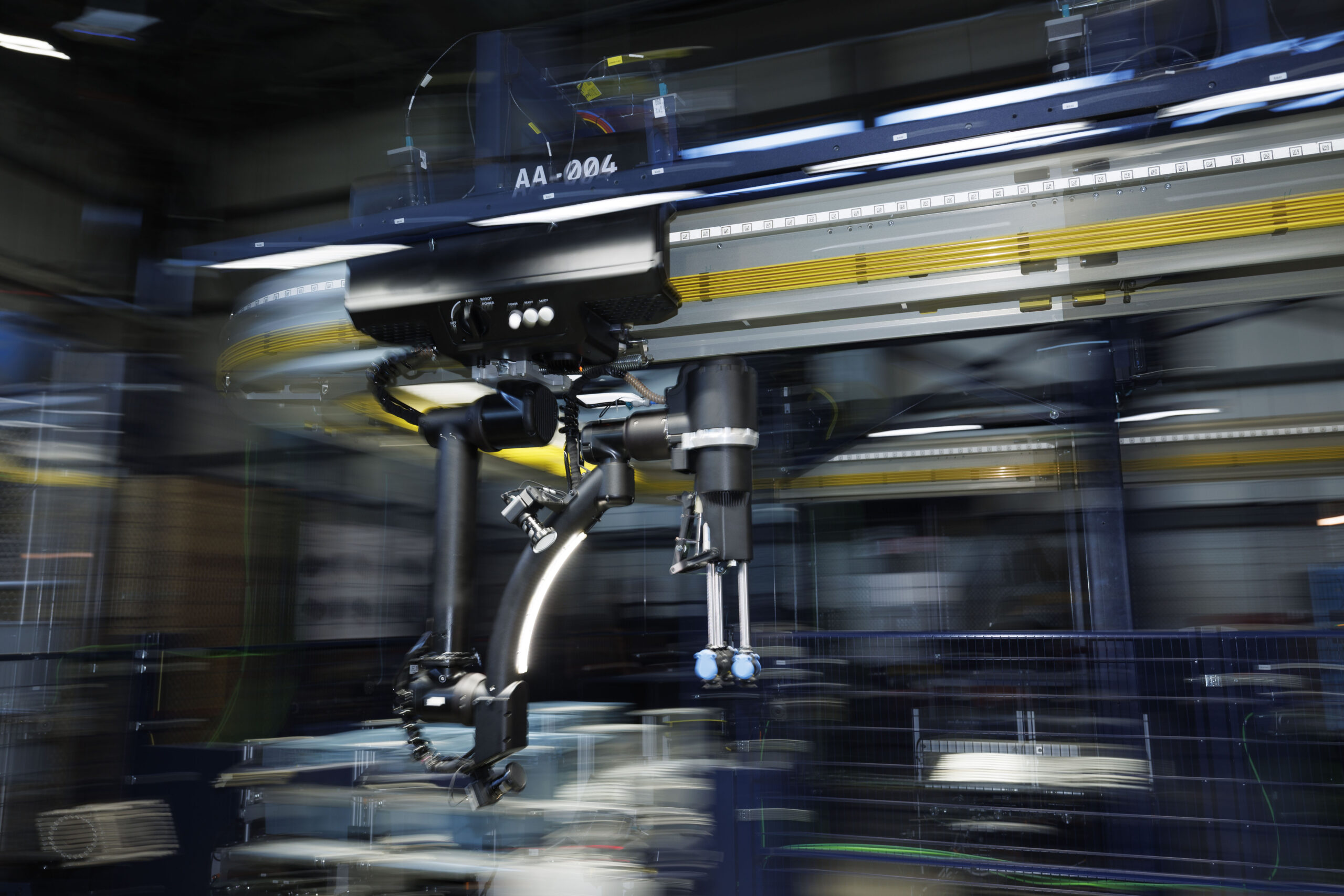
The Prototype Robotics code name BlueJay at the Amazon facilities in Westborough, Massachusetts, USA, 26 September 2025.
This kind of human-centered robotics — where technology is designed to coexist harmoniously with the workforce — is at the heart of Parness’s mission. It’s not about replacing workers, but empowering them, and building trust in the technology that increasingly shapes modern logistics.
Yet this conversation comes amid a broader moment of transition for Amazon. The company recently announced the layoff of 14,000 employees, part of a sweeping reorganization aimed at adapting to what it calls a rapidly shifting technological landscape. In a public statement on its corporate site, Amazon addressed the decision directly:
“What we need to remember is that the world is changing quickly. This generation of AI is the most transformative technology we’ve seen since the Internet, and it’s enabling companies to innovate much faster than ever before (in existing market segments and altogether new ones). We’re convinced that we need to be organized more leanly, with fewer layers and more ownership, to move as quickly as possible for our customers and business.”
The statement underscores how Amazon views artificial intelligence not just as a set of tools, but as a strategic necessity, one that requires the company to streamline its operations even as it doubles down on AI-driven innovation.
For Parness, the intersection of robotics and responsible AI is about practical ethics in motion. Every robot, from the precision of Vulcan Pick to the collaborative awareness of Proteus, reflects a deliberate effort to align innovation with safety, transparency, and human understanding.
In an era when artificial intelligence often feels abstract or distant, Aaron Parness and his team remind us that the most transformative technologies are those that respect the people who use them and the environments they share.
Jamie Broadnax is the creator of the online publication and multimedia space for Black women called Black Girl Nerds. Jamie has appeared on MSNBC's The Melissa Harris-Perry Show and The Grio's Top 100. Her Twitter personality has been recognized by Shonda Rhimes as one of her favorites to follow. She is a member of the Critics Choice Association and executive producer of the Black Girl Nerds Podcast.