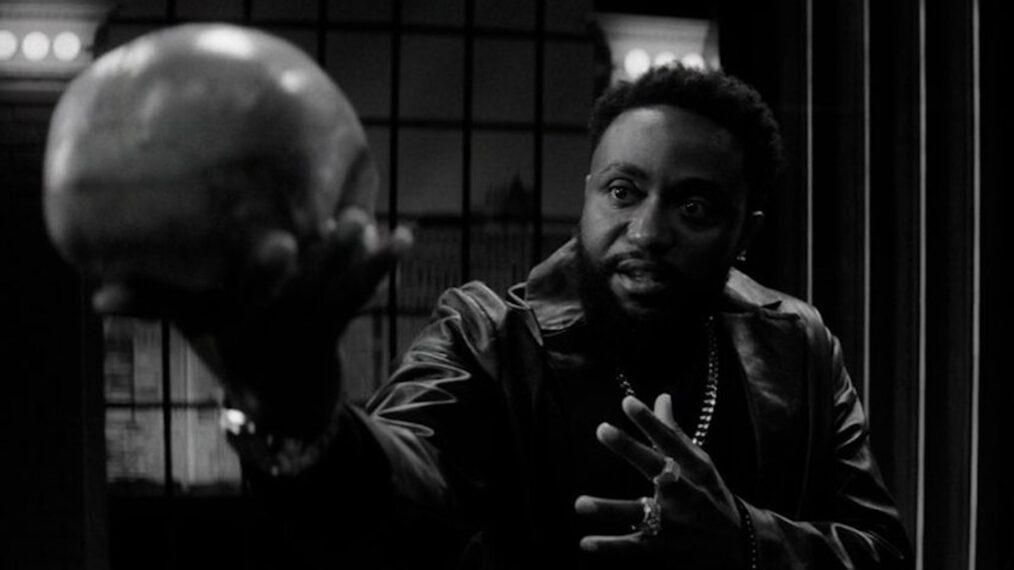

Filmed entirely in black and white, the Wonder Man episode “Doorman,” directed by James Ponsoldt, opens with a moody score straight out of a 1930s crime noir. We’re introduced not to Simon Williams or Trevor Slattery, but to DeMarr Davis (Byron Bowers), a bouncer working the door at a local nightclub. Then, out of nowhere, comes an unexpected cameo: Josh Gad, playing himself, strolling into the club as just another patron.
At this point, you’re probably asking: what does DeMarr Davis or Josh Gad have to do with Wonder Man?
The answer is: absolutely nothing.
And that’s exactly why this episode feels so Atlanta-coded.
Like many standout episodes of Atlanta, “Doorman” deliberately steps away from its central characters to explore themes that ripple back into the main narrative. One clear parallel is Atlanta Season 3, Episode 9, “Rich Wigga, Poor Wigga,” also shot in black and white. That episode famously deviated from Earn, Paper Boi, and Darius, yet thematically reinforced the show’s larger ideas about race, perception, and identity.
Episode 4 of Wonder Man operates in much the same way and it’s my personal favorite because of it.
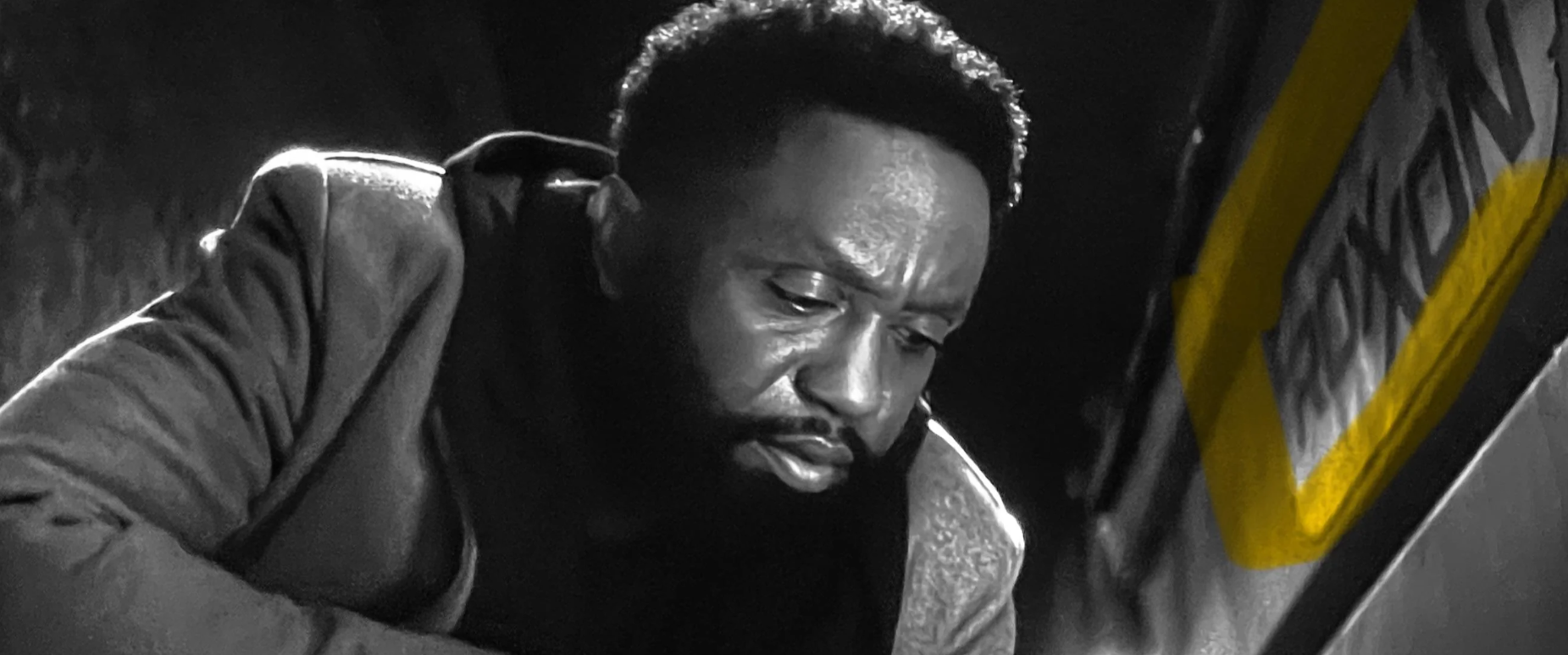
“Doorman” carries strong Twilight Zone energy while introducing one of the series’ most inventive power sets. DeMarr gains his abilities after coming into contact with mysterious trash-bin ooze stamped with a ROXXON logo. His power allows him to create dimensional gateways within his own body, enabling himself and others to pass through solid objects.
When a fire breaks out at the nightclub, DeMarr is forced to use his powers for the first time, saving the patrons inside — including Josh Gad. That single act of heroism changes his life. Josh, grateful and intrigued, pulls DeMarr into his Hollywood orbit, opening doors DeMarr never imagined he’d walk through.
But that opportunity quickly reveals itself to be a double-edged sword.
What initially feels like a dream becomes a harsh lesson in how quickly the entertainment industry can embrace you and just as quickly discard you. The episode lays bare a raw truth: Hollywood’s love is conditional, fleeting, and often transactional. “Doorman” doesn’t romanticize success; it exposes the emotional cost of it.
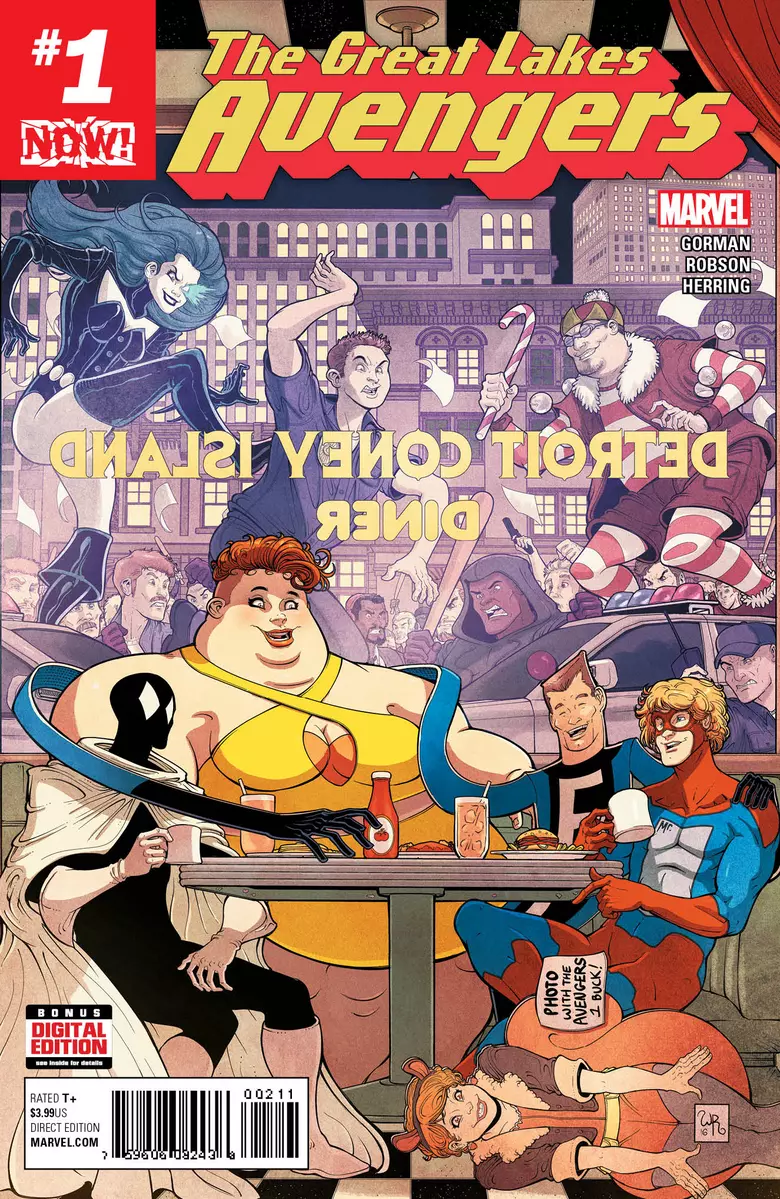
Adding another layer, Doorman isn’t just a one-off character. He’s canon. In Marvel Comics, Doorman is a member of the Great Lakes Avengers, meaning DeMarr Davis is now officially part of the MCU. And yes, Josh Gad is too.
What makes this episode so powerful is its presentation. The stark black-and-white cinematography strips Hollywood of its usual sheen, rendering it cold, hollow, and predatory. There’s nothing vivid or playful here, only the emotional wear-and-tear of being chewed up and spit out. DeMarr’s deteriorating mental health underscores that bleakness, reinforcing how deeply this world can erode a person’s sense of self.

This is where the episode quietly but brilliantly loops back to Simon Williams.
Like DeMarr, Simon is an actor. He’s deeply insecure, struggling with his identity, and terrified of being seen for who he really is. His superpowers are something he actively conceals, just as DeMarr initially resists using his own abilities. DeMarr is forced into visibility by crisis; Simon is paralyzed by the fear of it.
“Doorman” becomes a thematic mirror for Simon’s journey, an ominous preview of what the industry can take from you if you’re not grounded in who you are. While Simon searches for belonging and purpose, Trevor Slattery emerges as a rare source of stability and hope. As Josh Gad did for DeMarr.
In that sense, “Doorman” isn’t a detour at all. It’s a warning.
A cheeky nod to a lesser-known Avenger becomes a sobering meditation on fame, power, and identity and how easily all three can slip through your fingers. It’s bold, unsettling, and unforgettable.
If you haven’t already, Wonder Man is now streaming on Disney+.