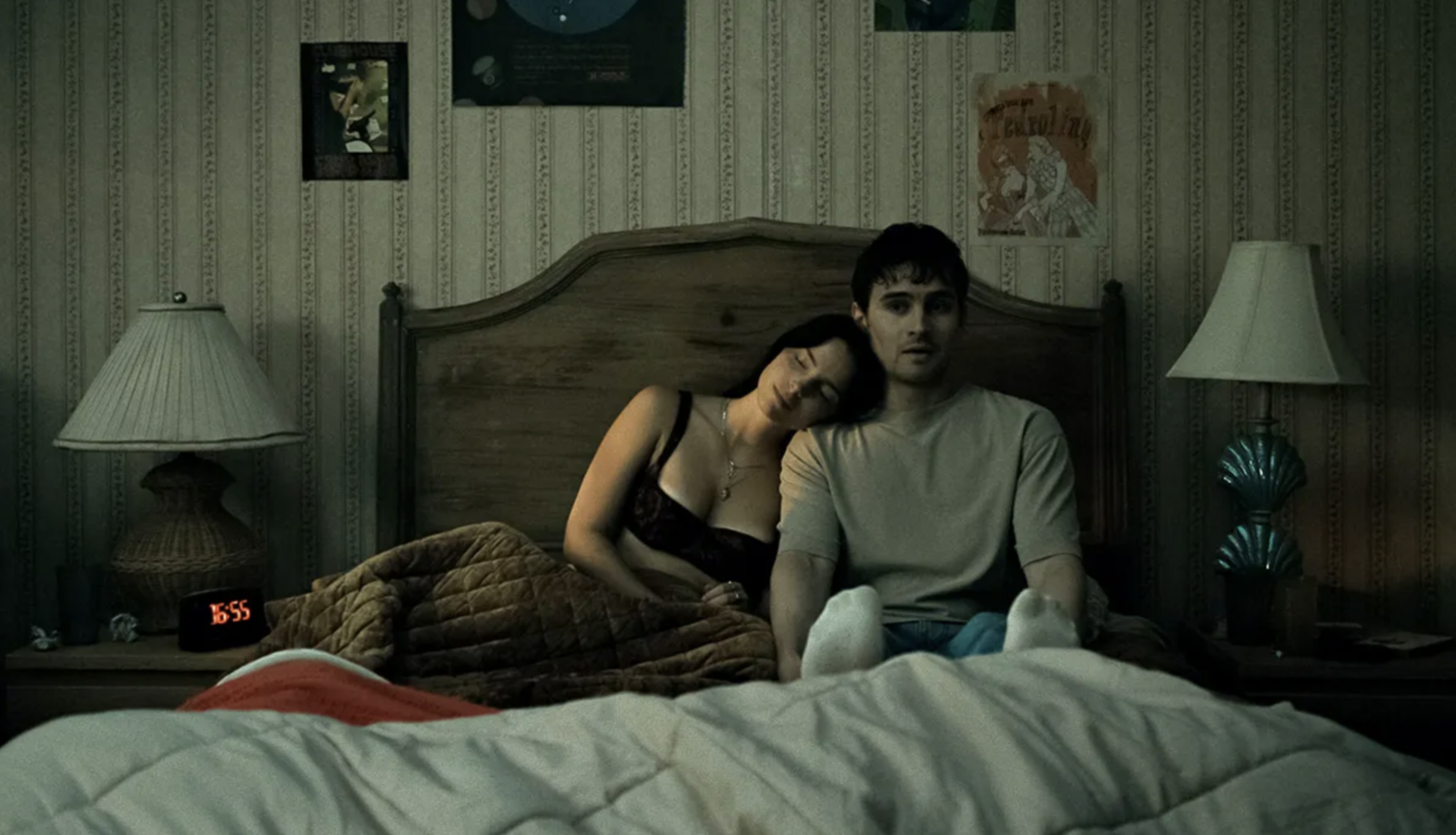

Horror fandom loves a moment it can replay. A startling performance, an unnerving expression, or a scene that demands an immediate “How did they do that?” can send a film into an entirely new conversation online. But the most revealing part of BGN’s interview with Curry Barker and Inde Navarrette about Obsession is what they describe happening around those moments: the preparation, the collaboration, and the audience finding something personal in Nikki.
Navarrette’s performance has inspired more than reactions to the film’s most intense scenes. Nikki has people defending her, celebrating her, and recognizing something truthful in her story. For a publication that regularly considers how women are portrayed and understood in genre storytelling, that distinction matters. A female character can become the subject of a viral clip while the person inside that performance gets lost. Here, viewers appear to be paying attention to both.
The Work Behind the Moments Everyone Shares
Barker offered a surprising detail about the scenes attracting attention online and many came together remarkably quickly.
“Every part that’s gone viral that everyone’s like, ‘Oh my gosh,’ we literally did it in like one or two takes,” he said.
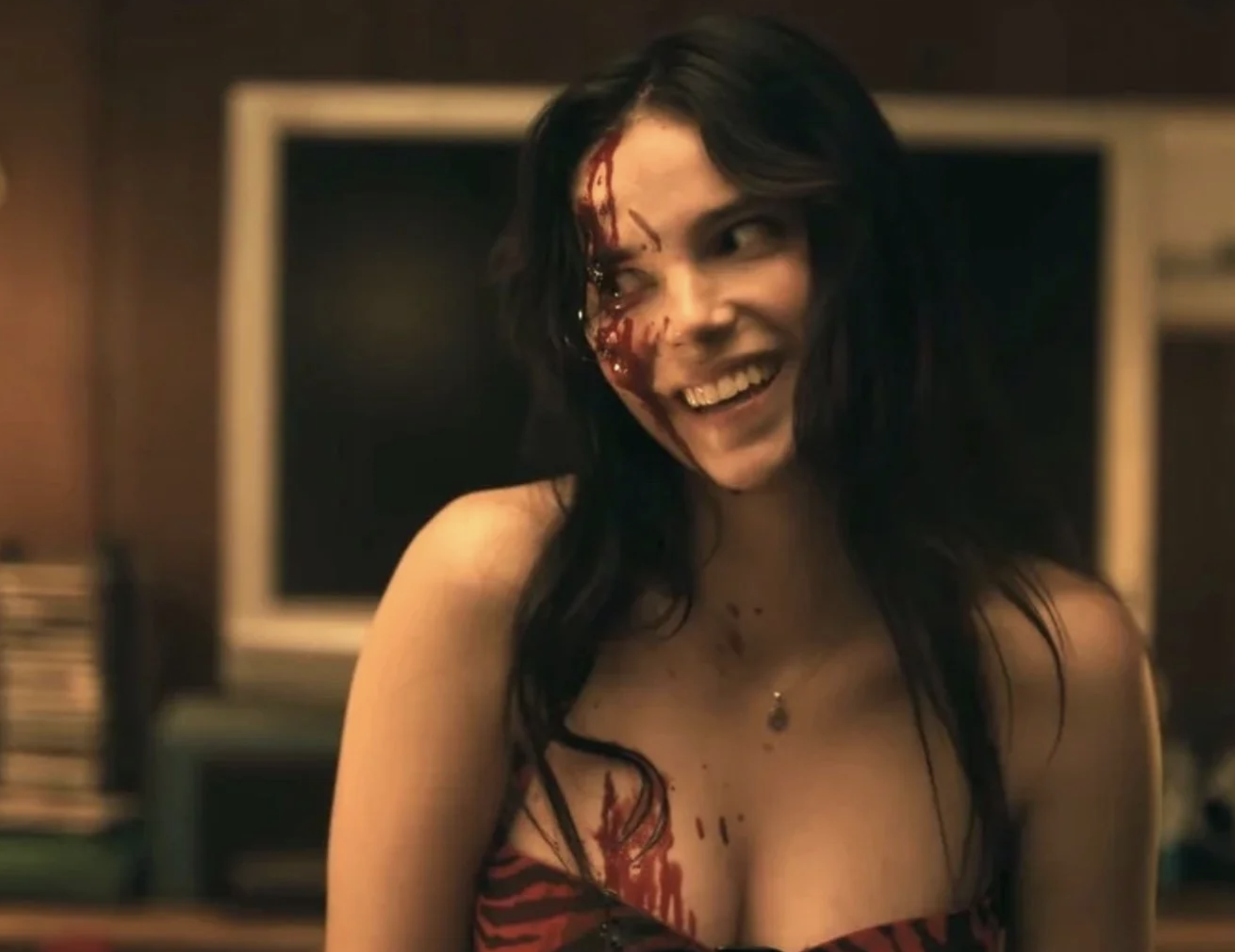
He described Navarrette arriving ready to commit, giving the scenes everything she had and nailing the material. His account points to the confidence that makes an intense performance possible. The number of takes is an interesting detail, but the more meaningful question is what allowed an actor to arrive at that level of readiness.
Navarrette’s answer elsewhere in the interview provides some context. She and Barker had spent time sitting with Nikki before filming. By the time they reached the set, she felt familiar with the character, even when an unexpected emotion surfaced during a scene.
Nikki Belongs to More Than One Interpretation
For Navarrette, one of the biggest surprises came from seeing how viewers understood Nikki.
“I didn’t realize how many people were gonna recognize the truth of Nikki’s story,” she said.
She was careful, however, about claiming ownership over that truth. Her interpretation was a version of Nikki, and she wanted room for other people to have their own. Seeing viewers recognize the qualities she had found in the character felt validating precisely because that recognition was not something she could dictate.
There is a generosity in that approach. Actors build characters through specific decisions, but audiences bring their experiences to the screen. Navarrette’s comments leave space for that exchange without reducing Nikki to a single explanation.
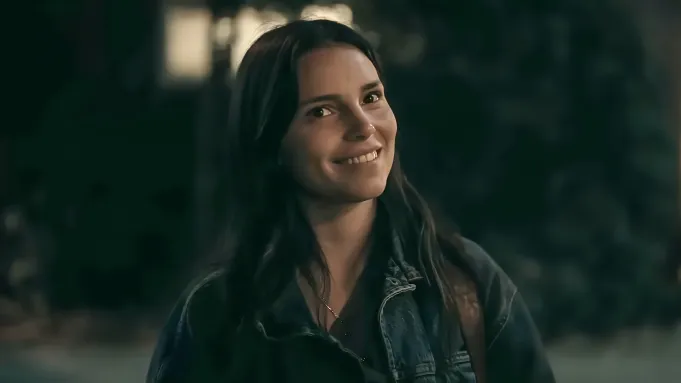
The conversation also acknowledged Nikki’s vocal online supporters. Fandom can be funny, protective, and occasionally ready to argue with anybody who gets its favorite character wrong. Beneath that enthusiasm is evidence of emotional investment. These viewers have found someone worth discussing beyond the shock of an individual scene.
A Director Who Leaves Room to Discover
Navarrette described Barker as a filmmaker who knows what he wants while remaining open to what his actors offer.
“He has such a playful imagination, and he has no ego about it,” she said.
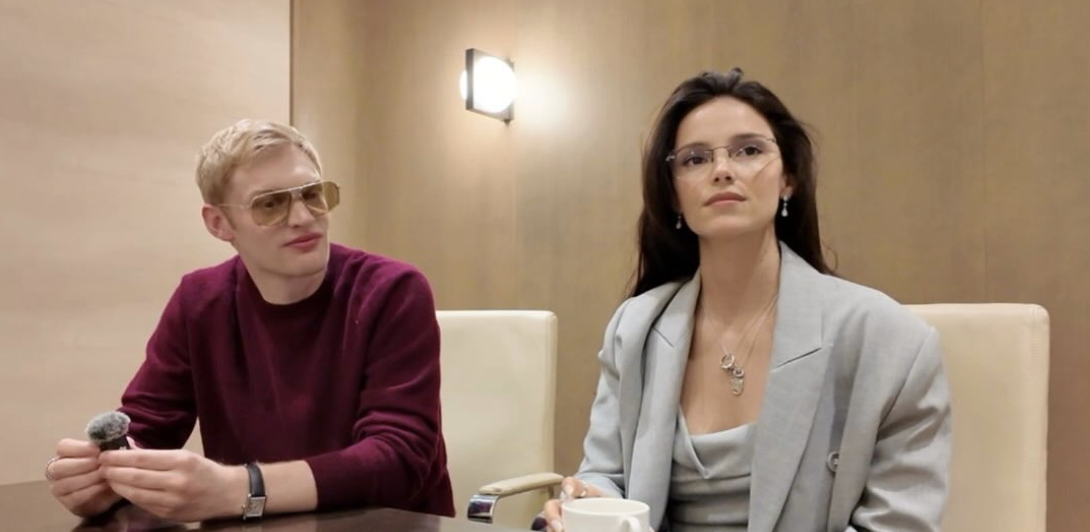
She praised his willingness to follow a good idea when it emerged on set. That balance between structure and flexibility appears central to their collaboration: a clear direction gave the work a foundation, while openness allowed the performance to develop.
Barker’s description of working with Navarrette reflected that same principle. After living with characters on the page, he explained, attaching actors means discovering them again through the people playing them.

In Nikki’s case, Navarrette introduced a playfulness that Barker said had not been in the script. That contribution is especially compelling beside his praise for her more intense scenes. The actor’s influence extended to the everyday qualities that help make a character feel like a person.
Navarrette called Nikki a rare opportunity, describing a depth of understanding she had not previously experienced with a character. Her conversations with Barker about why he wrote particular scenes helped deepen that connection.
“I think this is a once in a lifetime opportunity, and I’m very happy that it happened with her,” she said.
When Fandom Starts Creating
Barker also expressed surprise at viewers making art inspired by the film. He recalled seeing a short horror film built around the One Wish Willow that told a story separate from Obsession. He also mentioned Nikki and Bear Halloween costumes as examples of the audience’s response.
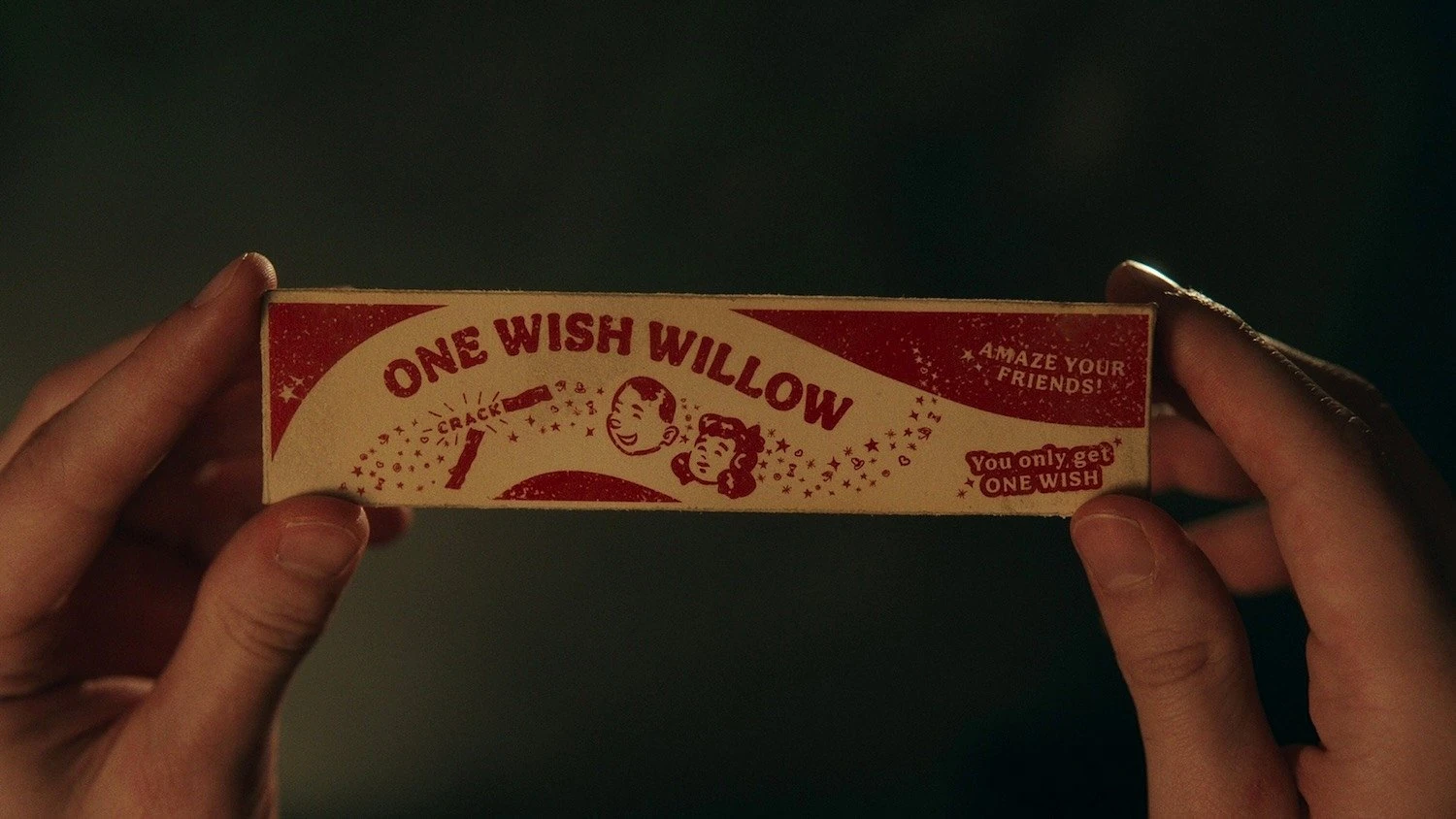
For BGN readers, that creative impulse will sound familiar. Fans extend their relationship with stories through costumes, artwork, theories, and projects of their own. Barker’s excitement comes from watching an element of his film become a starting point for somebody else’s imagination.
Taken together, his and Navarrette’s comments reveal a satisfying connection between filmmaking and fandom. Barker made room for an actor to expand a character. Navarrette made room for viewers to interpret her performance. Those viewers, in turn, are finding room to create.
The film is currently on the awards campaign trail. Horror is certainly having a moment in cinema and here’s to hopefully another year of it dominating again during awards season!