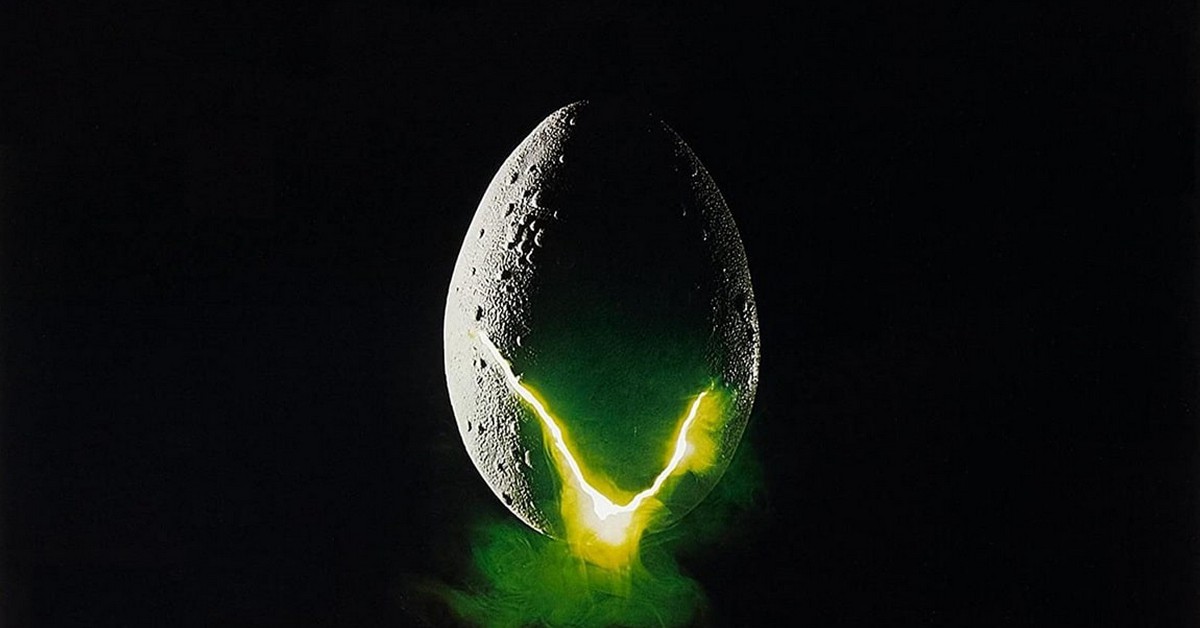

The newly released and highly anticipated Alien: Earth dropped its first two episodes on Tuesday, August 12 2025, garnering impressive viewership numbers. The critics are loving it with a 96% score on Rotten Tomatoes (as of the time of this article), while the fans are more lukewarm at 72%. Still, even with those numbers, this is a pretty impressive debut for a franchise that has only been seen on cinema screens thus far. In truth, these kinds of numbers are enough to get studio executives excited and thinking about future franchise expansions.
However, that can of worms merits its own discussion, and before we start thinking about the future, it would be a good idea to look at the franchise’s past and see how it has evolved and changed since the ’80s. At 46 and counting, Alien is one of modern media’s most enduring franchises, mostly due to its ability to reinvent its own form without shedding the primal dread and body horror that made it unforgettable in 1979, when the first movie, directed by the legendary Ridley Scott, dropped.
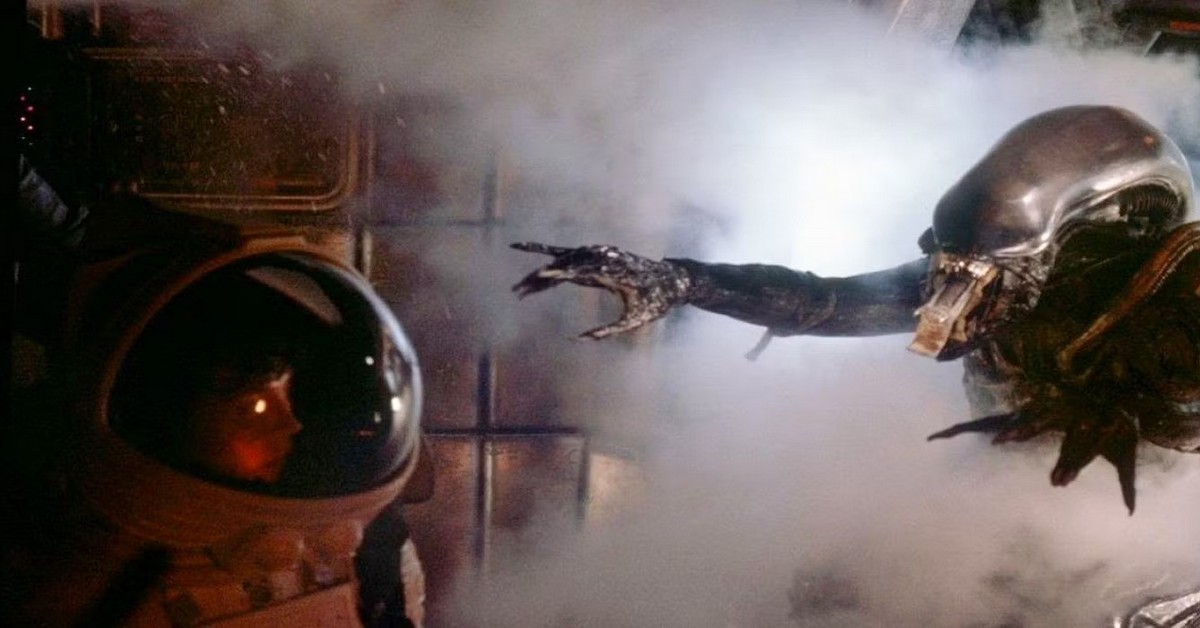
1979’s Alien, starring Sigourney Weaver in her breakout role as Ellen Ripley (now regarded as a significant female protagonist in cinema history, was a single-location nightmare. It features a working-class crew on an interstellar commercial space tug, called the Nostromo, trapped with a perfect organism that has unparalleled biological and behavioral adaptations for survival and predation. But what made the movie scary wasn’t the alien itself (though it played a major role), but a combination of different design and storytelling elements.
The Xenomorph (the alien species’ name) is a mean and un-green killing machine, and a perfect organism for a reason. It’s capable of surviving in extreme environments, it’s highly aggressive and devoid of any morality, and it has perfect defenses (a hard exoskeleton and acid for blood). Its design hits the human psyche on a primal level, as it’s made to look biomechanical and psychosexual without clear animal cues. It has no visible eyes, it has teeth within teeth, and a reproduction method that completely violates its prey’s bodily autonomy.

Perhaps most challenging of all, the Xenomorph is nearly impossible to defeat with conventional methods, rendering typical action-movie solutions ineffective. Without going too deep into the plot, we’ll just mention that Ellen Ripley survives to face the creature again in the sequel, where its lethal fangs remain just as sharp and salivatory. The third and fourth Alien movies shifted towards genetic tinkering, with major corporations trying to weaponize the Xenomorph species for their own gain, going as far as to introduce the human-Xenomorph hybrid in the fourth film.
Now, it’s really important to mention the comics and other Alien media. Most cinema franchises, with the exception of those based on comic books (like the MCU and DC Universe), use comic books and video games as “side dishes” that expand the original universe. But, when it comes to Alien, comic books and video games offer indispensable scaffolding that vastly expanded the Xenomorph’s xenobiology, cults, in-universe corporations, and off-world hives. Basically, these expanded upon all the material the movies never had time or interest in exploring.

The most important among these are Alien vs. Predator comics and video games, which turned the aliens’ hive biology into a political commodity and codified how Xenomorphs behave inside their hierarchies. The Subsequently released Alien: Isolation video game was a masterclass in survival horror gaming, and while its canon status is debatable, its influence on the franchise is undeniable, from the way Xenomorphs behave, to minute details present on the corporate equipment spread throughout the environment—this is mostly visible in Alien: Romulus, but more on that later.
The comics and the games also resulted in a cinematic adaptation, the Alien vs. Predator films, which pit the almost unkillable and untamable organism against the universe’s ritualized, techno-tribal apex hunters whose entire culture is based around proving their worth against dangerous prey. The first movie was a surprisingly good time if you were in the mood for a monster smackdown, but a really dull horror experience featuring two of the cinema’s most iconic alien monsters. The second movie, AvP: Requiem, was even worse than the first, and we won’t spend time or words on that particular flop.
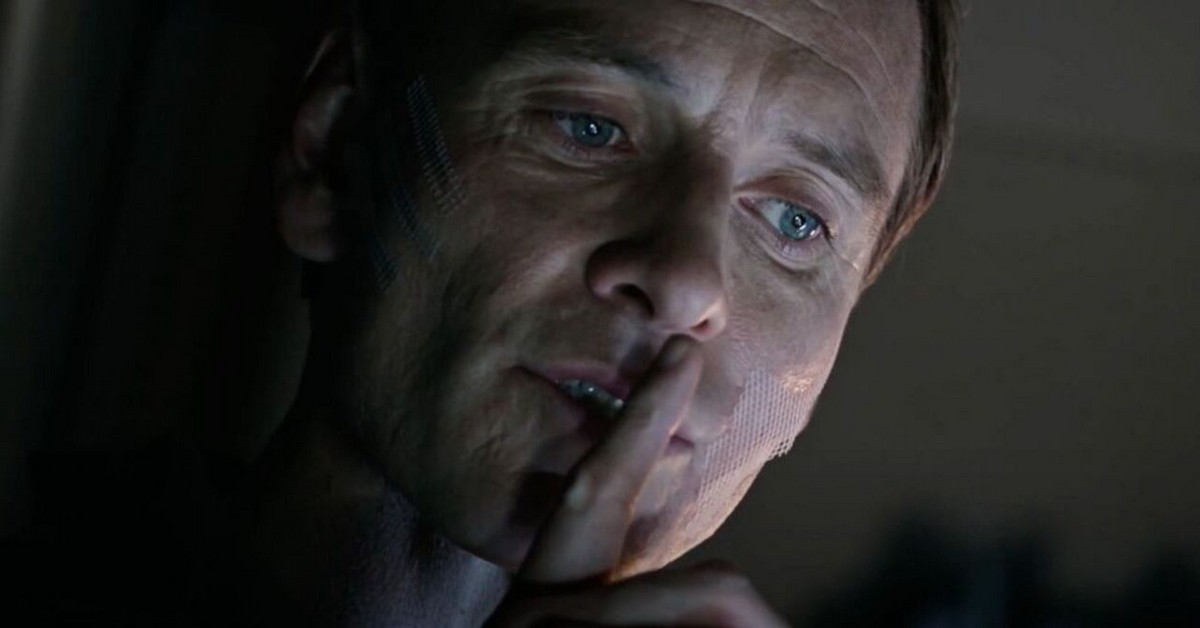
Fortunately, Ridley Scott returned to the cinematic franchise in 2010 and steered it towards a creation myth with Prometheus and its sequel, Alien: Covenant, thus relocating fear from air ducts on a corporate tug to cosmology and creation. These films didn’t change the Xenomorph, nor what it was (they did introduce some subspecies, though), but they reimagined it as a byproduct of hubristic creation, turning it into an engineered horror, rather than an evolved predator. We won’t dive into how this was achieved, but the Xenomorph we all love and fear is a product of bioengineering, at least according to the lore set by Prometheus and Alien: Covenant.
In 2024 came Alien: Romulus, an absolute delight that not only made stylistic strides back towards tactile horror but also reintroduced the franchise’s corporate malfeasance and made lore corrections that made Prometheus and Covenant canon, despite the fact that their canon status remains questionable among the fans, themselves. The movie was peppered with connective tissue between all six movies (excluding AvP films) and was filled with Easter eggs from Alien: Isolation. It’s a great movie, and both critics and fans absolutely loved it.

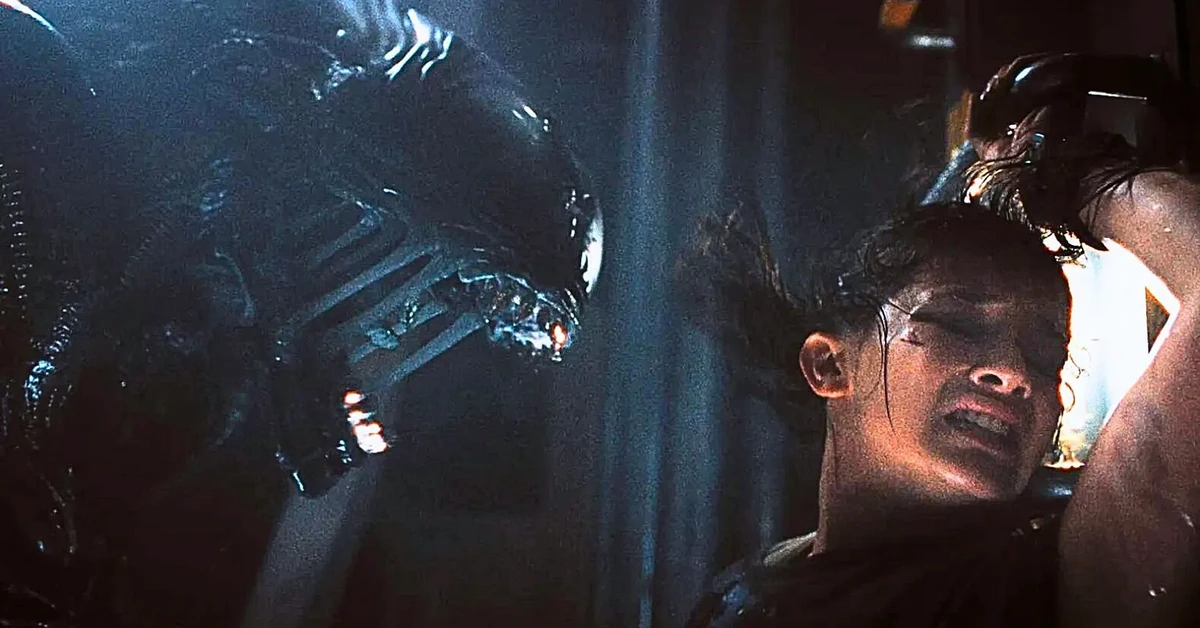
The recently released Alien: Earth is the franchise’s first full TV series that aims to expand the claustrophobic horror into a slow-burning planetary thriller. Its story is set two years before the Nostromo’s fateful flight and threads directly into the original timeline using longform storytelling to explore ideas that movies couldn’t. The series also intentionally sidesteps the cosmology and creation of the Xenomorph and uses its own proximity to the original to make its dread feel less mythic and more immediate.
The concept of corporate malfeasance within the Alien universe, the franchise’s true Big Bad, has metastasized, and instead of just Weyland-Yutani, Earth now situates humanity under a cartel of five megacorps. The Xenomorph was always the engine of horror within the franchise, but the corporations were the real antagonists. The consequences of corporate actions, ranging from boss-incentivized corner-cutting decisions to Ash’s secret directives, Burke’s “accidental” facehugger release, and David’s god complex, were always the main reasons behind the horrific catastrophes.
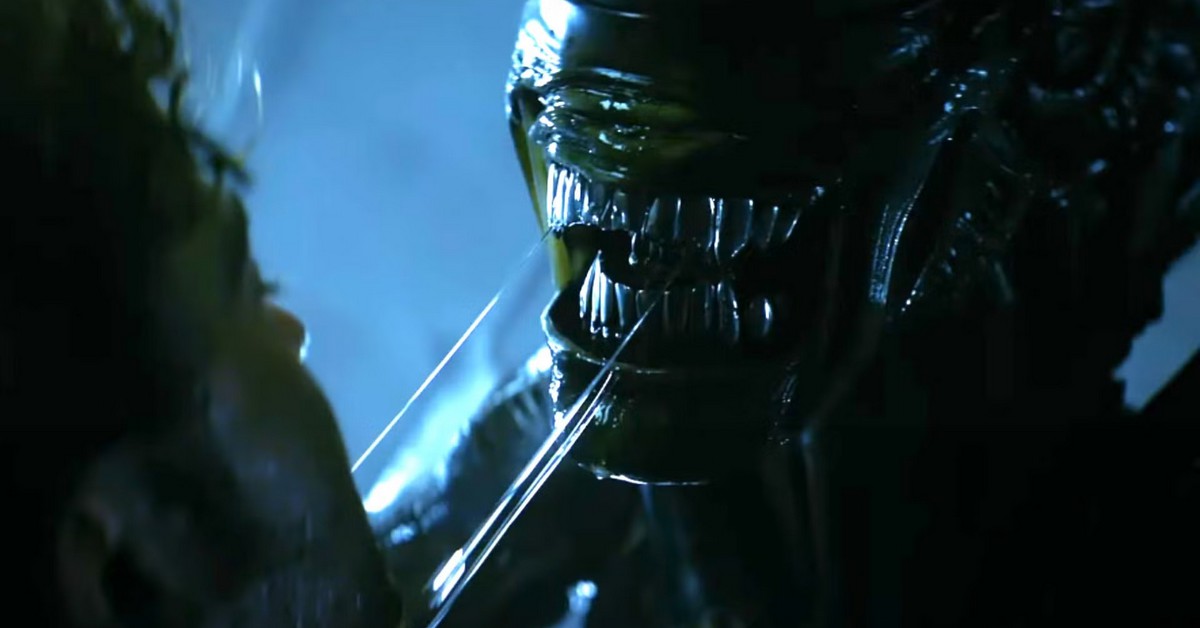
In the end, it’s quite evident that many things have changed in the Alien franchise over the course of 46+ years, and while the overall cinematic universe keeps expanding, the more modern entries in the franchise have relearned restraint and have decided to keep the scale smaller. The cameras no longer follow clanking chains, shadows across hallway doors, and viscous fluids that look like they smell awful. They now roam across corporate boardrooms, lab theaters, and crash sites on our home planet.
So, if we had to pinpoint stuff, we’d say that almost everything around the edges has changed. The setting has changed, the universe and its lore expanded dramatically, and even the stuff behind the scenes changed. What hasn’t changed is the engine driving the franchise’s horror: the perfect organism, now on Earth, never stopping, always learning, and adapting. And neither, apparently, did the franchise.