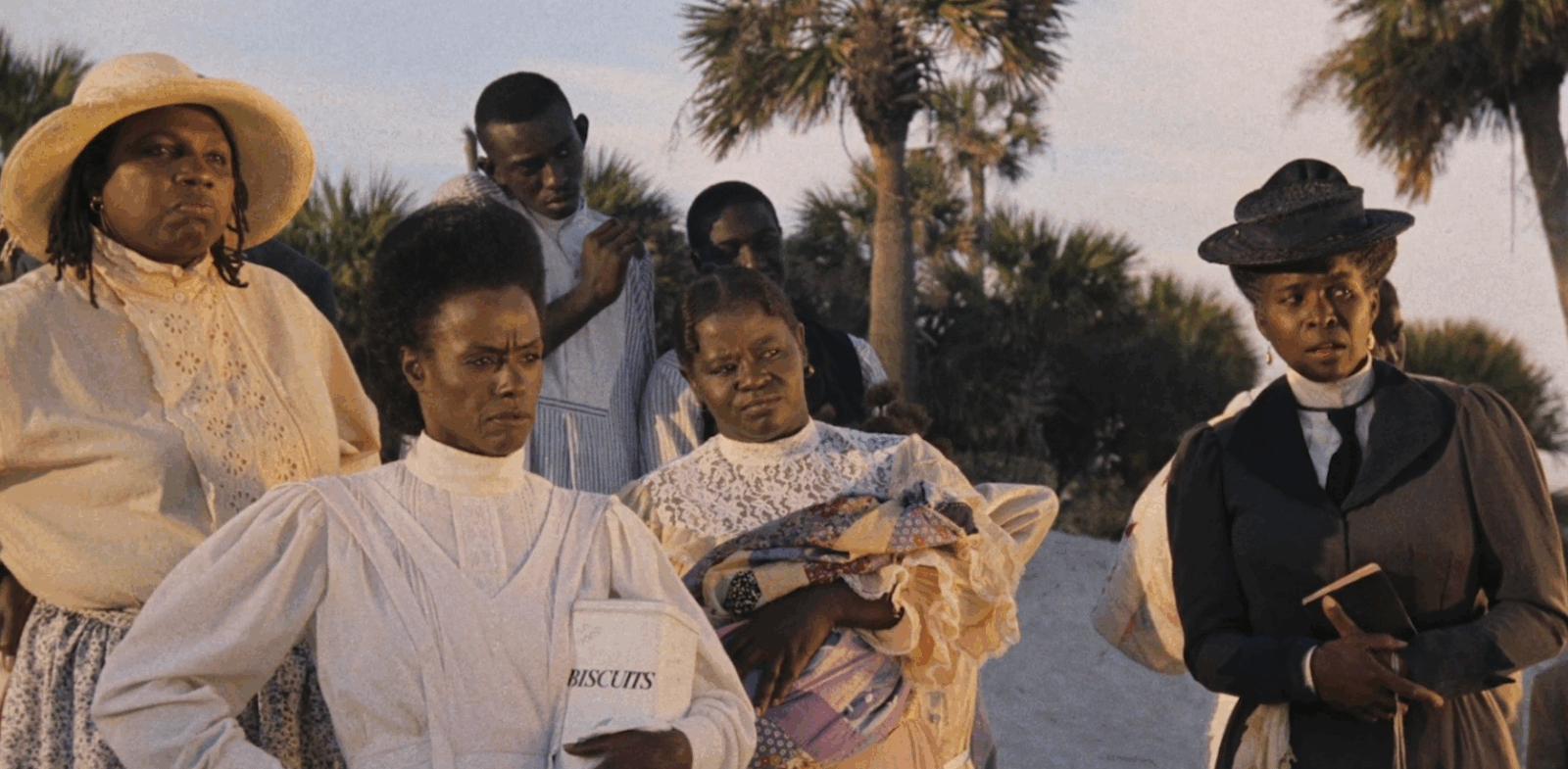

The Southern Gothic has always thrived on haunted mansions, decaying landscapes, and stories of secrets festering beneath polite society. There is a mythic power to these stories and these films don’t just borrow Gothic trappings, they transform them, reframing the South through Black history, spirituality, and imagination. The result is a body of work that feels both timeless and overlooked: underrated Black Southern Gothic cinema. While some on this list are not as underrated, like Sinners, others are like Mississippi Damned. Here are 9 Black southern gothic films you must watch.
Eve’s Bayou (1997, dir. Kasi Lemmons)
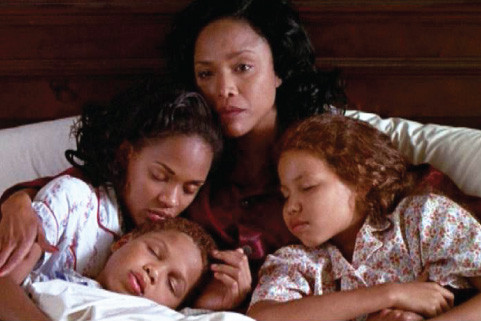
Maybe the most iconic but still under-discussed in broader Southern Gothic conversations. Set in 1960s Louisiana, it explores family secrets, Creole culture, voodoo mysticism, and generational trauma with a dreamlike, gothic atmosphere.
Told through the eyes of 10-year-old Eve Batiste (Jurnee Smollett), the film follows the unraveling of her family after she discovers her father’s infidelities. It’s a tale of fractured innocence, betrayal, and the blurred line between truth and memory. Like much of Southern Gothic, the narrative explores family curses, generational trauma, and the inescapability of the past.
Eve’s Bayou is often celebrated as a landmark Black film and feminist work but rarely given its due as a Southern Gothic masterpiece. It should stand alongside A Streetcar Named Desire or The Night of the Hunter in Gothic discussions, yet it’s sidelined because of race, genre biases, and the way Black Gothic traditions get excluded from mainstream film criticism.
Down in the Delta (1998, dir. Maya Angelou)
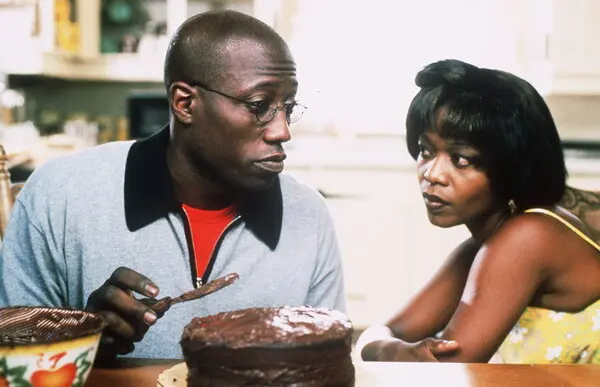
Angelou’s only directorial work, it’s often overlooked. While more grounded, it carries Gothic undercurrents: a family returning to the Mississippi Delta confronts a haunted past tied to slavery and inheritance, embodied in an heirloom candelabra named “Nathan.”
At its core, the film is about rediscovering identity and breaking destructive cycles. Loretta arrives burdened by addiction and poverty, but in reconnecting with her family’s past, she begins a path of renewal. The narrative embodies Southern Gothic dualities: decay versus rebirth, curses versus healing, and the weight of history versus the possibility of transcendence.
Though Alfre Woodard gives a towering performance and the themes are rich, the film was modestly released and often dismissed as a “family drama.” It’s rarely discussed alongside works like Eve’s Bayou, yet its Southern Gothic DNA is undeniable. The heirloom-as-ghost, the return to the land, and the ancestral reckoning place it firmly in the tradition.
The Learning Tree (1969, dir. Gordon Parks)
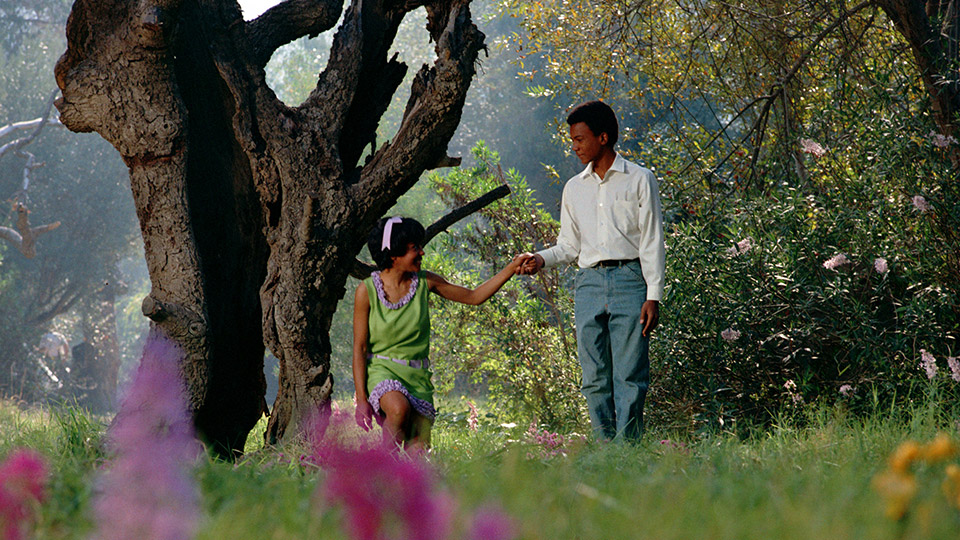
Gordon Parks’ semi-autobiographical story isn’t Gothic in a horror sense, but it channels the atmosphere: moral decay, lynching, and coming-of-age amid the sinister tensions of small-town life in the South.
The narrative follows Newt Winger (Kyle Johnson), a Black teenager navigating adolescence, love, and survival in a deeply racist environment. Unlike more sensational Gothic tales, the horror here is grounded in everyday life and the constant threat of racial violence, unjust legal systems, and cycles of poverty.
Despite its historical importance, The Learning Tree is rarely taught or screened alongside other Southern Gothic works like To Kill a Mockingbird. It’s often categorized as a coming-of-age drama rather than recognized for its Gothic undertones: lynching as horror, racial injustice as the grotesque, and the land itself as a haunted witness.
Candyman (2021, dir. Nia DaCosta)

While urban-set, it pulls directly from Southern Gothic lineage, ghosts tied to racial violence, cyclical curses, and haunting as metaphor. The mythos traces back to the deep South before manifesting in Chicago.
The story follows artist Anthony McCoy (Yahya Abdul-Mateen II) as he uncovers the legend of Candyman, only to realize he is destined to become the next iteration of the myth. This ties directly into Gothic traditions of inheritance, curses, and fate. Anthony is not just haunted by Candyman, he is the next vessel for generational trauma.
Traditionally, Southern Gothic stories grapple with the sins of the South: slavery, violence, hypocrisy, and the grotesque persistence of history. Candyman modernizes this by showing that even when Black communities leave the South, the ghosts of the South travel with them. The Gothic isn’t just tied to the land — it’s in the people, the memory, the folklore.
Mississippi Damned (2009, dir. Tina Mabry)

A raw indie drama that leans Gothic through its depiction of generational curses, trauma, poverty, and cycles of abuse in rural Mississippi. The decayed beauty and suffocating familial ties echo Gothic traditions.
The film follows three Black siblings (and their extended family) as they struggle against cycles of abuse, addiction, poverty, and violence. Like a Southern Gothic curse, every attempt to escape seems doomed to repeat what came before. The title itself — Mississippi Damned — echoes the Gothic fatalism of being trapped by place, history, and bloodline.
The film anticipates later explorations of Black Southern Gothic trauma, like Barry Jenkins’ Moonlight or Channing Godfrey Peoples’ Miss Juneteenth. It also serves as a counterpoint to the romanticized Southern nostalgia often seen in Hollywood, insisting on truth-telling as a form of exorcism.
Beasts of the Southern Wild (2012, dir. Benh Zeitlin)
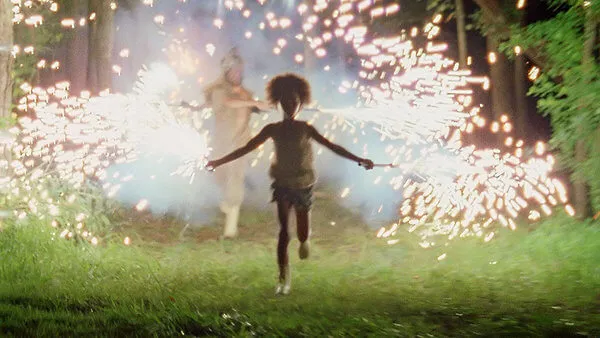
Though directed by a white filmmaker, it’s centered on a Black community in Louisiana’s Delta. Its surrealism, folklore, and the “end-of-the-world” setting feel deeply Gothic, rooted in Southern Black resilience and mythology.
The story centers on Hushpuppy (Quvenzhané Wallis), a young Black girl navigating survival with her ailing father Wink (Dwight Henry). Through her child’s imagination, the narrative blends harsh realism with myth: prehistoric aurochs thawed from melting ice caps, storms of apocalyptic scale, and visions of her absent mother.
Quvenzhané Wallis’ performance, Oscar-nominated at age 9, cemented Hushpuppy as one of the most unforgettable Gothic child narrators in cinema. The film’s blending of folklore, environmental apocalypse, and intimate family tragedy expanded the Gothic beyond crumbling manors into flooded bayous and broken levees.
The House on Skull Mountain (1974, dir. Ron Honthaner)
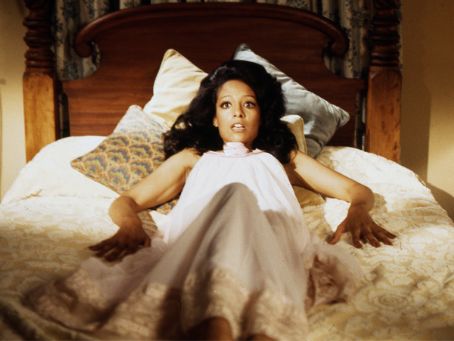
A blaxploitation-era horror gem set in Georgia. It mixes Gothic tropes (an inheritance, a creepy mansion, family secrets) with Black spiritual traditions like voodoo and ancestral hauntings.

After the death of Pauline Christophe, the family matriarch rumored to have been a voodoo priestess, four distant relatives gather at Skull Mountain to hear the reading of her will. As they compete for inheritance, each is targeted by supernatural forces tied to Pauline’s spiritual legacy.
Overshadowed by better-known 1970s Black horror like Blacula and Sugar Hill, The House on Skull Mountain rarely gets credit for being one of the clearest examples of a Black Southern Gothic film. Critics often dismissed it as camp or formulaic, but its cultural layering makes it essential viewing.
Daughters of the Dust (1991, dir. Julie Dash)
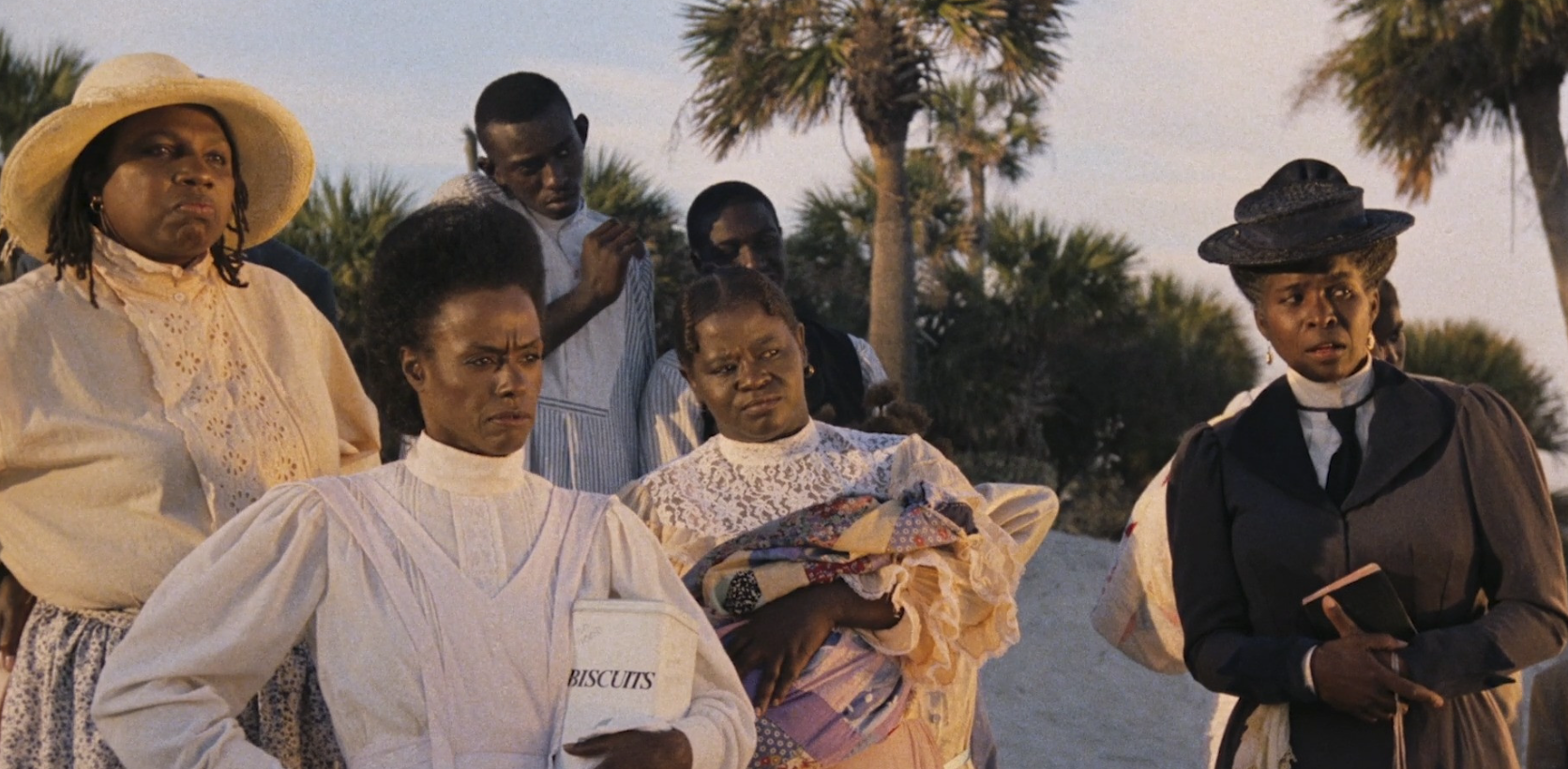
Daughters of the Dust is essential to any Black Southern Gothic conversation. While it’s usually discussed in terms of Afrofuturism, diaspora, and poetic realism, it carries all the hallmarks of the Gothic: ancestral hauntings, family secrets, spiritual liminality, and the weight of history pressing down on the present.
The film follows three generations of women reckoning with leaving their ancestral land. Some see migration as survival, others as a severing of roots. The story unfolds like memory itself: non-linear, dreamlike, narrated at times by the Unborn Child, a literal Gothic spirit who speaks from the future.
Daughters of the Dust is often canonized as the first theatrically released feature directed by an African American woman, or celebrated for its diaspora themes. But it rarely gets credited as Southern Gothic cinema, even though its structure (haunted family, cursed history, liminal setting, spiritual voices) makes it one of the genre’s purest expressions.
Sinners (2025, dir. Ryan Coogler)
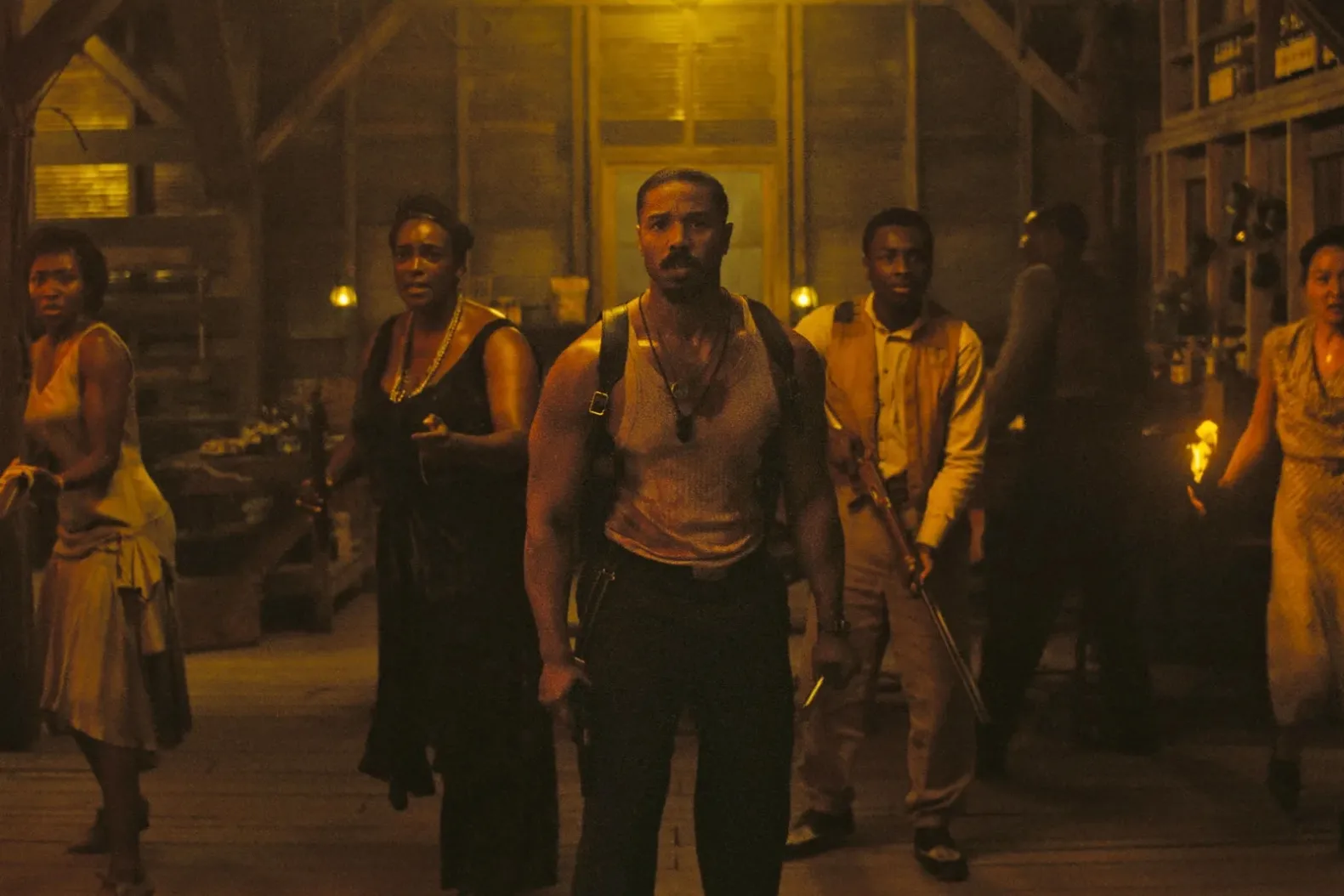
Coogler’s film is a vivid fusion of horror, musical drama, and historical myth, all grounded in Black Southern experience. As noted by one critic, it’s not just a vampire story, it presents “what that sounds like”. It’s a sound carved from history, pain, and resilience through Ludwig Göransson’s electrifying score.
The narrative centers on identical twin WWI veterans, Elijah “Smoke” and Elias “Stack” Moore (both played by Michael B. Jordan), who return home after years away with plans to open a juke joint using stolen money. Their dream collides with violent supernatural forces that come knocking by night. The blend of gangster mythos, blues folklore, vampirism, and Hoodoo mysticism forms a Southern Gothic fable of cursed legacy and cultural reclamation.
Sinners reimagines the Southern Gothic through a genre-defying lens, merging vampire horror, blues mythology, and racial history. It transports Gothic elements—ruined landscapes, ancestral curses, grotesque justice—into a musical, folkloric myth set in Black America. Given its recent release, its legacy is still forming, but it already stands as a definitive modern Black Southern Gothic film.
The Southern Gothic tradition has long thrived on stories of haunted landscapes, buried secrets, and the tension between beauty and decay. Yet when refracted through Black filmmakers and storytellers, the genre takes on new dimensions, becoming not just about curses or ghosts, but about inheritance, survival, and reclamation. Films like Eve’s Bayou and Daughters of the Dust center Black women’s voices, reshaping Southern mythologies through memory and ritual. Others, like Candyman and Sinners, use supernatural horror to expose racial violence and cultural erasure.