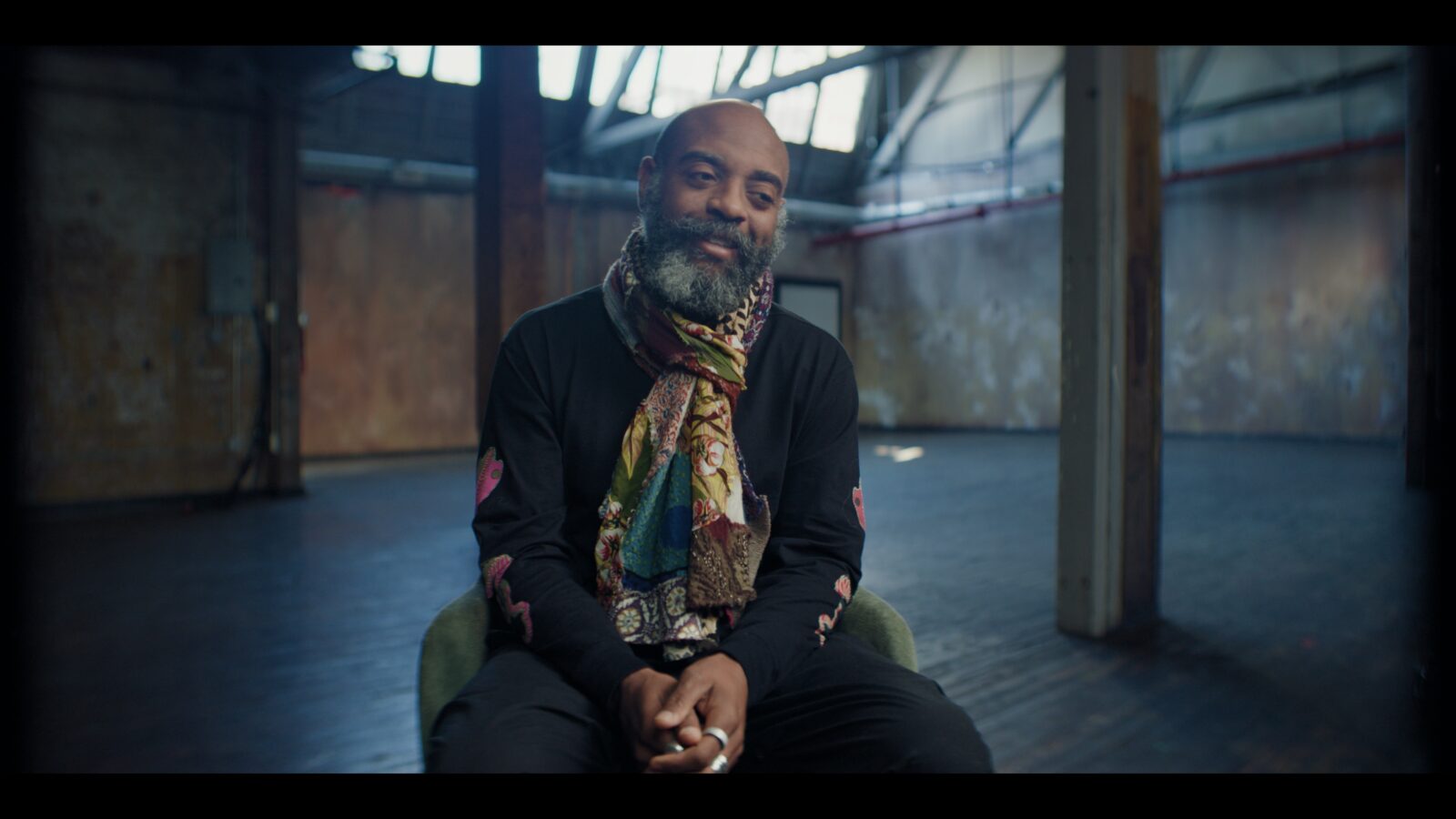

On March 4, 2005, Reginald Dwayne Betts was released from prison after a 9-year sentence for carjacking a man at gunpoint. Although he was just 16 years old at the time, he was tried and convicted as an adult and served his time at adult prisons. Today, he is an acclaimed author, poet, prison reform advocate, Yale-educated lawyer, and the subject of March Forth, a documentary helmed by award-winning directors and Tribeca newcomers Robe Imbriano (Nova ScienceNow) and Valerie Hong, which Betts himself wrote.
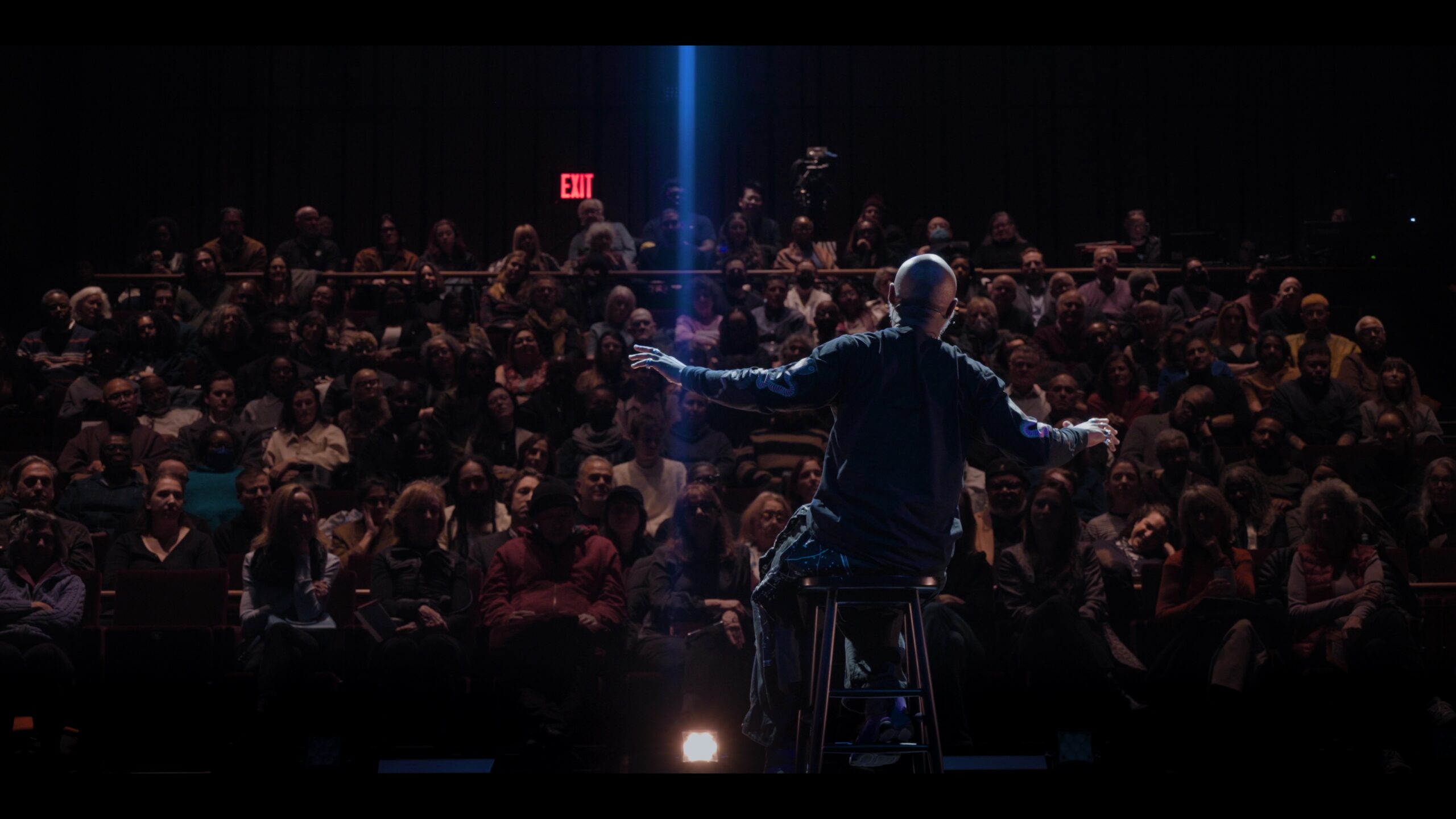
The film opens with a rehearsal for Betts’ one-man Off-Broadway show based on his collection of poetry, Felon: An American Washi Tale, which he performed last year at the Perelman Performing Arts Center in New York. He tells his story in 11 chapters, each one chronicling a different time in his life, from being sentenced at 16 to passing the bar a decade later. He first takes us back to the night of the carjacking, explaining how he and his friend were caught and arrested the next day, and sentenced as adults. Betts talks about the impact his conviction had on not just himself but his family.
Already an avid reader, Betts spent a lot of his time in prison borrowing books. It was Dudley Randall’s The Black Poets that inspired him to become a poet himself. In school, he was an aspiring engineer, but while incarcerated, a clerical error led to him writing a habeas corpus letter, then helping other inmates, studying law, and becoming an attorney.
After his release, Betts went on to rack up an impressive list of accomplishments, including graduating from Yale Law School and winning several literary awards for his writing. In 2020, he founded Freedom Reads, a nonprofit organization that provides books to prison libraries.
Betts has likely told his story thousands of times, and it’s fascinating to see all the artistic methods he used to recount it again in March Forth. While there are some “fly-on-the-wall” moments, the film mainly features interviews with Betts, his mother, his friend (with whom he committed the crime), and a few of the formerly incarcerated men he’s helped with his legal expertise.
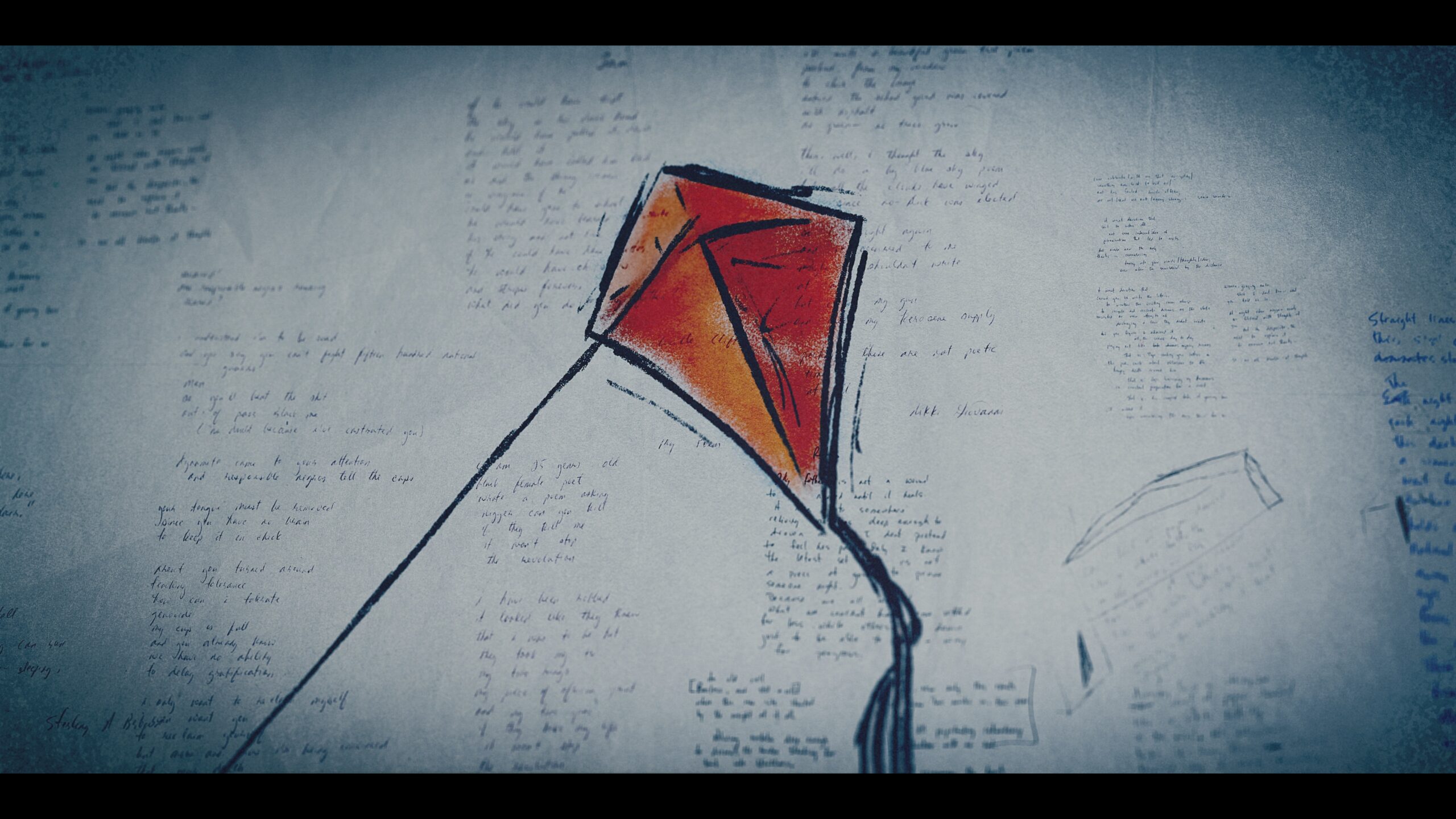
We hear excerpts from his memoir, A Question of Freedom: A Memoir of Learning, Survival, and Coming of Age in Prison, narrated by the always wonderful Brian Tyree Henry (Atlanta), who serves as an executive producer, starting with the line, “I have seen things I may not recover from.” Betts also reads some of his poetry in tandem.
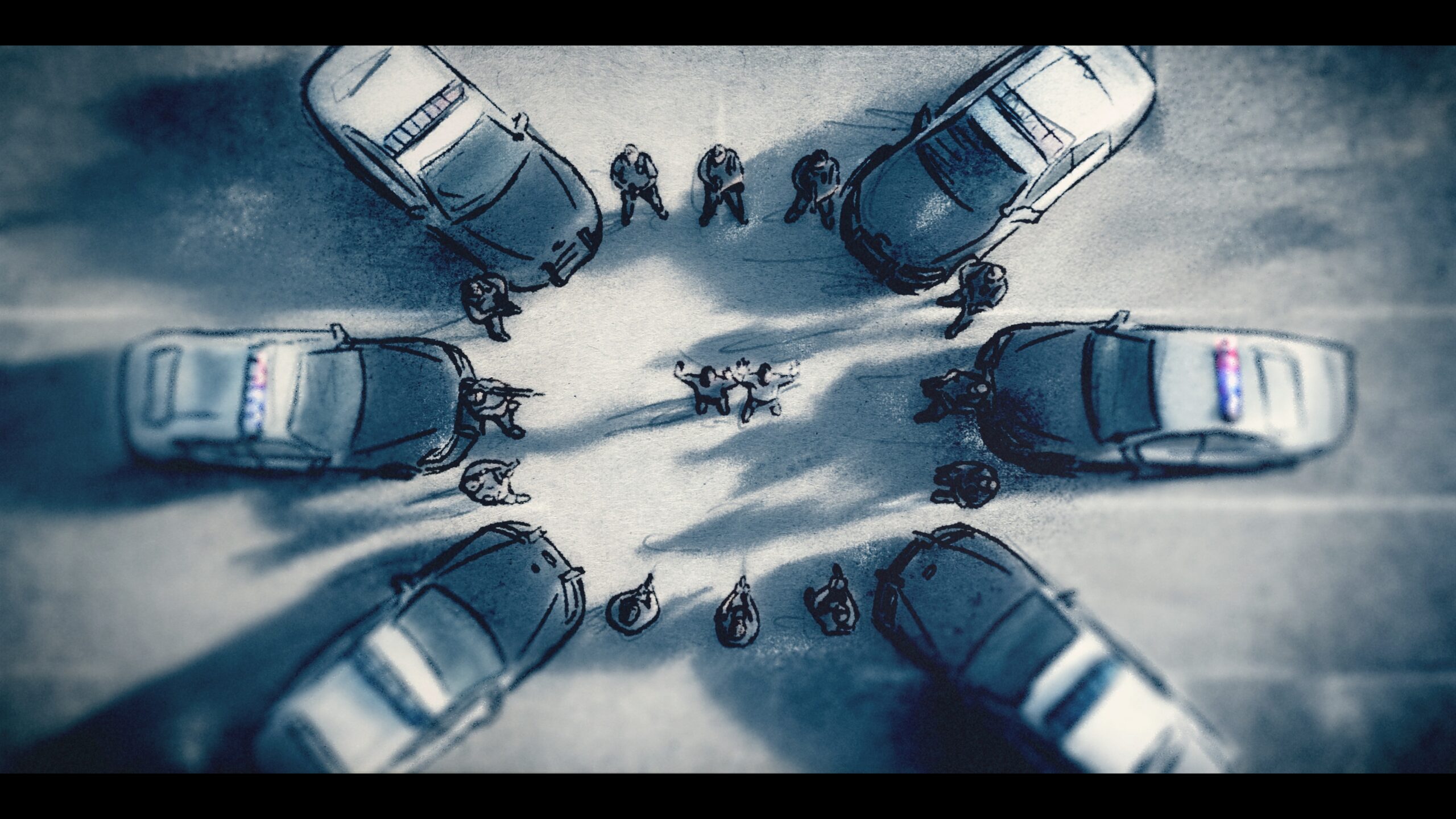
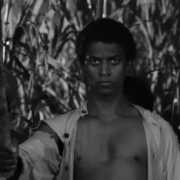
As Betts relives the night of the crime and subsequent prison experiences, we see illustrations and an animated version of the events, courtesy of artist Thomas Curtis. There are also photos of Betts’ life before, during, and after prison, along with images of his writing in prison. The part about solitary confinement’s effect on the human psyche was particularly powerful, especially during the show when all the lights went out, immersing the audience in what he saw (and didn’t see) for more than a year.
One of my favorite sequences is the archive news footage of reporters and politicians talking about the fancy new Red Onion State Prison that opened in the 1990s, intercut with reports and a firsthand account about the inhumane conditions and looming threat of death at the hands of correctional officers. The contradictory information says a lot about society’s unnuanced idea of all convicts being bloodthirsty animals who are enduring the punishment they deserve. Meanwhile, a teenager went to one of the worst supermax facilities and somehow managed to survive.
The statistics presented on screen are mostly about the prison system, including the low odds of people finding jobs and completing higher education post-prison (Prison Policy Initiative), and the likelihood of young offenders charged as adults committing suicide (Campaign for Youth Justice).
Betts’ moving prose and the use of mixed media keep the film from feeling like a true crime documentary. Transitions from one artistic medium to another are always smooth, some with an overlapping/echoing effect, like a handoff from one storyteller to another, except it’s between Betts’ one-man show, his memoir and poetry, and his interviews.
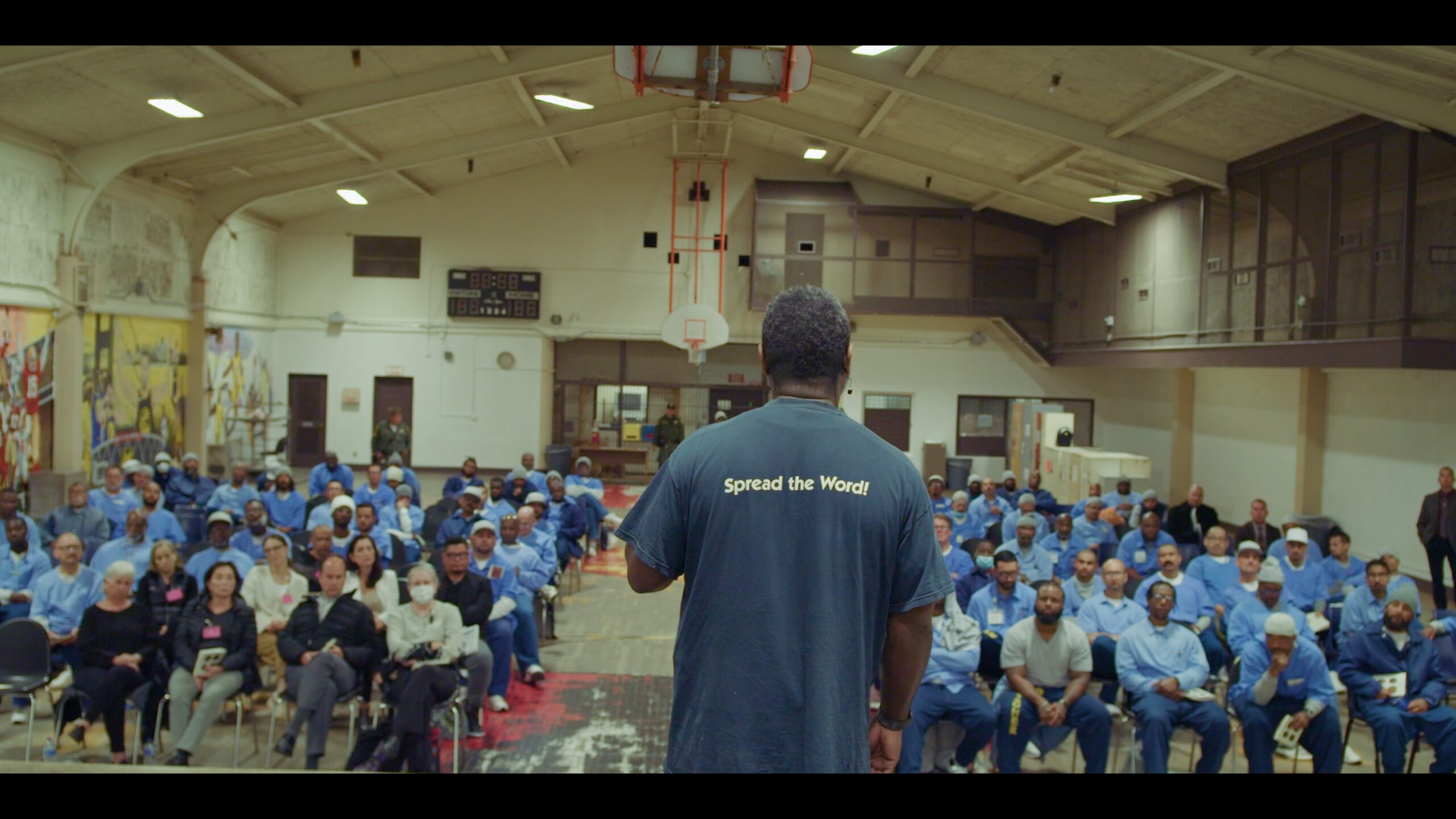
Even though there are a lot of dark moments when discussing prison conditions and his mental health, the overall tone is inspirational. The film is part cautionary tale, part redemption story, and it balances the tragic with the uplifting, leaning more into the positive without completely excluding the negative.
March Forth is a beautifully told odyssey of one man’s life after prison, and how he explores and shares his experiences through art. The film is informative and eye-opening, but more importantly, it will stick with you after the credits roll and will inspire you to read more of his excellent work.
March Forth premieres June 8 at the 2026 Tribeca Film Festival.