
The ’90s were an incredibly rich and transformative time for entertainment, influencing everything from music and television to movies and gaming. The Simpsons were at the height of their fame; Martin, Friends, Seinfeld, and Frasier became iconic, and the same applies to Buffy the Vampire Slayer, Dexter’s Laboratory, and Johnny Bravo. Oh, and does anyone remember the Discman, a portable CD player that replaced the iconic Walkman cassette player? Those blew up in popularity in the ’90s.
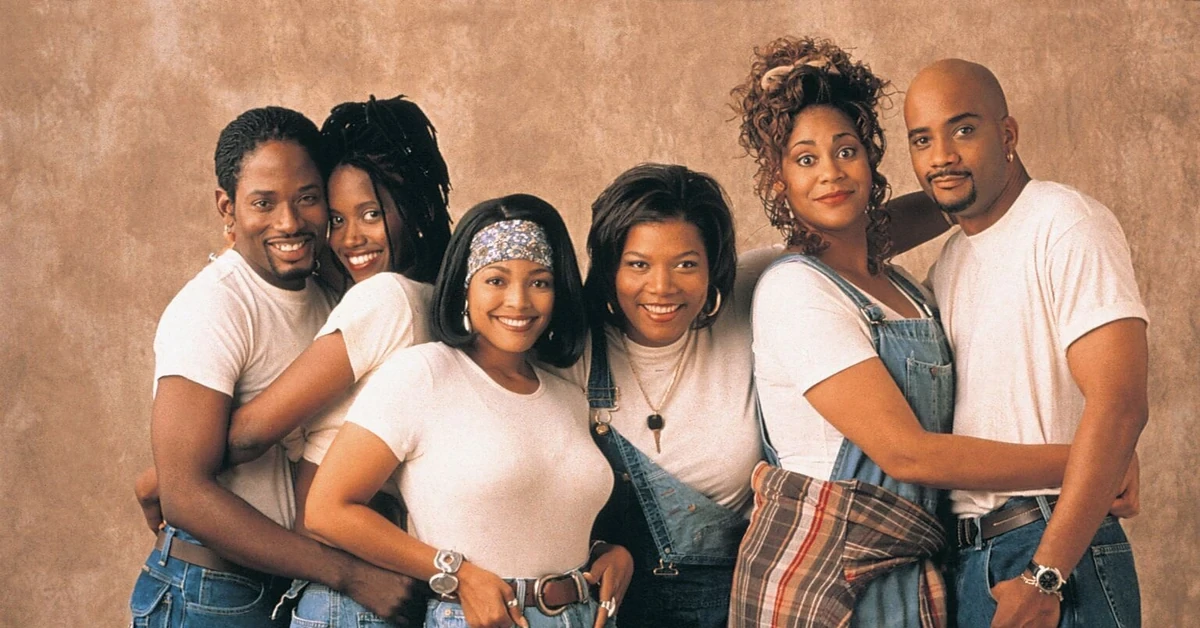
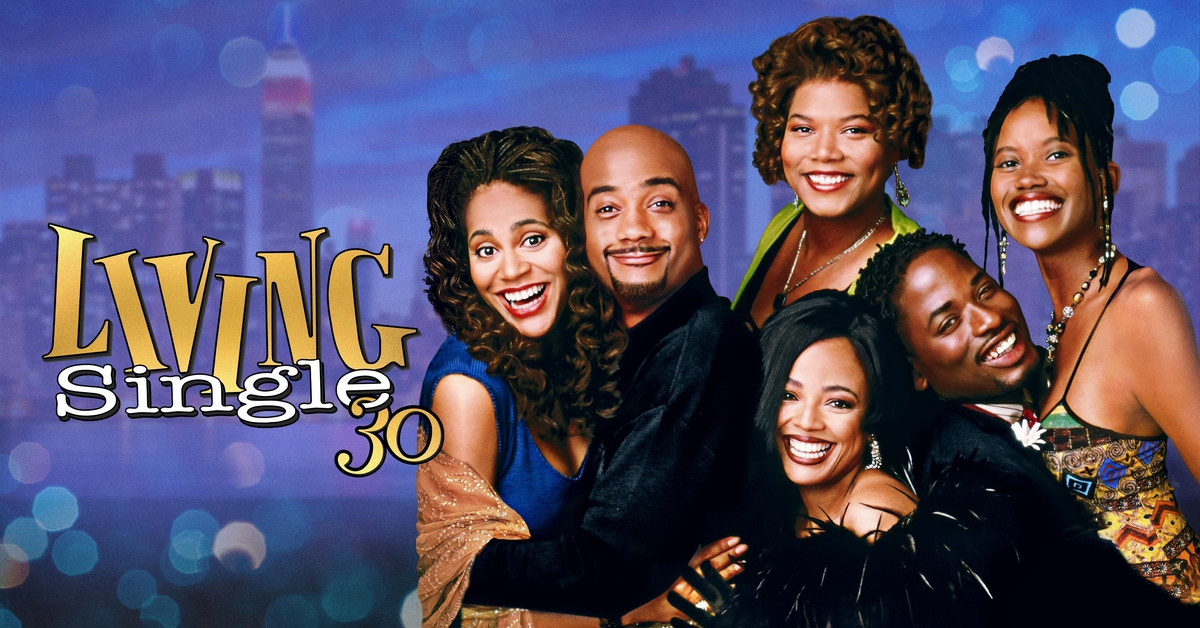
Television continues to be one of the most appreciated aspects of the ’90s, including the aforementioned shows and those we haven’t mentioned, like Living Single, a hit Fox sitcom that ran from 1993 to 1998 and went on to become one of the most successful and iconic TV shows that featured six Black leads. And it did so during the golden age of television. Now, more than 30 years later, let’s reflect upon what made Living Single a standout show.
Living Single wasn’t the first sitcom to feature and focus on predominantly Black leads; that honor belongs to 1951’s Amos’ n’ Andy, which actually began decades earlier as a radio sitcom. Its stars, Alvin Childress, Spencer Williams, and Tim Moore, who were among the first Black actors to achieve TV stardom. However, the series’ legacy is a bit complicated due to its reliance on racial stereotypes, leading to its eventual cancellation and very limited rebroadcasting.
Another early example of a TV sitcom focusing primarily on Black cast is 1974’s Good Times, which brought a more realistic portrayal of a working-class African American family to the small screens — which were actually small back when the series aired. It tackled some serious social and economic issues, blending them with humor. A Different World (1983) is often celebrated for its focus on Black culture and college life, bringing some social issues in the college setting to the forefront of TV making its own significant cultural impact.
And then, there’s Living Single, which was a true breath of fresh air because it was the first that centered on successful, relatable Black professionals with exceptional authenticity and nuance. However, where this show broke ground in its depictions lies in the absence of any form of stereotypes and in celebrating Black friendship, independence, and success in a way that hasn’t been done on television before.
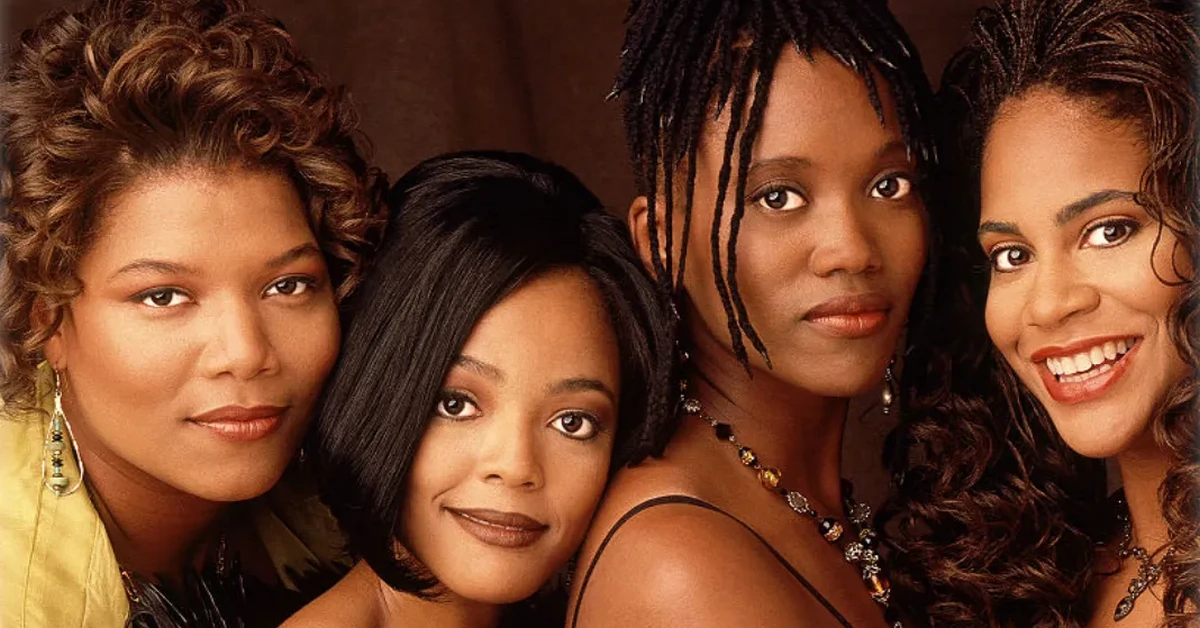
It was this realistic portrayal of its characters and the absence of stereotypes that made Living Single resonate with audiences simply because it offered a fresh perspective on the life of young Black adults in the ’90s. It had a really strong emphasis on friendship, especially among its female characters, Khadijah, Maxine, Regine, and Synclair, all of whom shared a sisterly bond. This friendship was the heart of the show, as it provided both comedic and emotional moments that are simply timeless and that many other shows, like Friends, later used in their recipes.
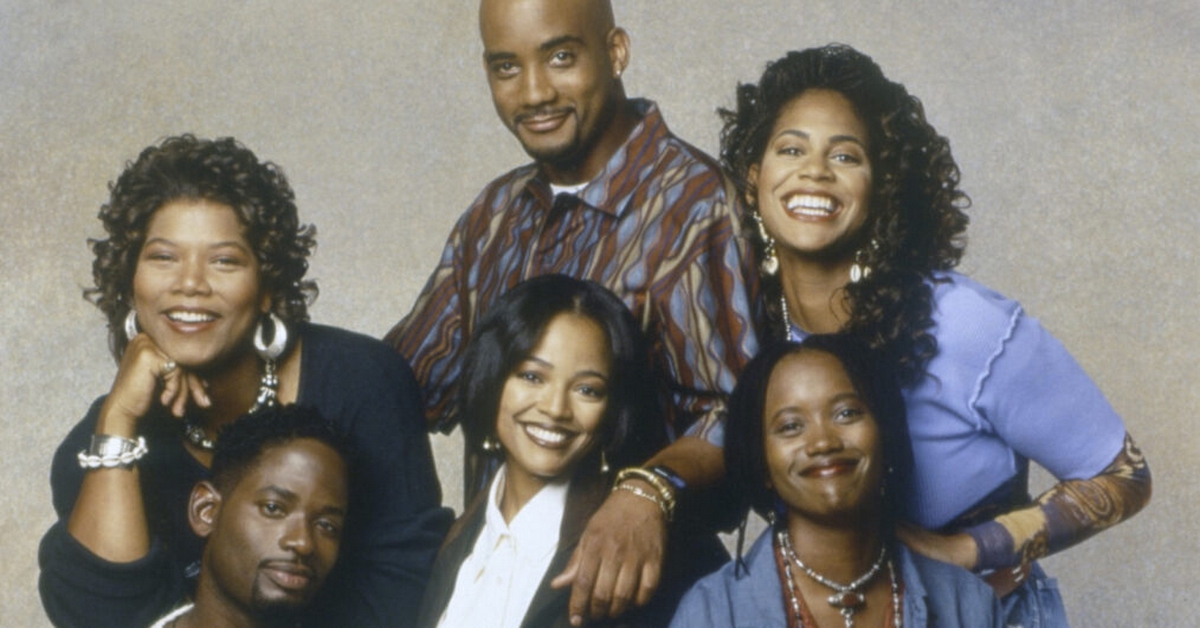
But the friendly relationship that the women of the show had with their male counterparts, Kyle and Overton, added more depth to the overall narrative, as it allowed the showrunners to balance the show’s humor with a rather thoughtful exploration of not just gender dynamics and romance, but also social dynamics of people with different personalities. This made the show more appealing to the fans, as they could identify with the characters more easily.
However, the show did more than just abandon any stereotypical depictions; it cultivated the air of Black excellence. Khadijah (Queen Latifah) is an editor and a publisher of an independent magazine; Synclaire (Kim Coles) is a receptionist and an aspiring actor; Regina (Kim Fields) is a costume assistant and a wedding planner; and Maxine (Erika Alexander) is an attorney. Kyle (T.C. Carson) is a stockbroker (and Max’s occasional love interest), and Overton (John Henton) is a handyman and a co-owner of the apartment complex they all live in.
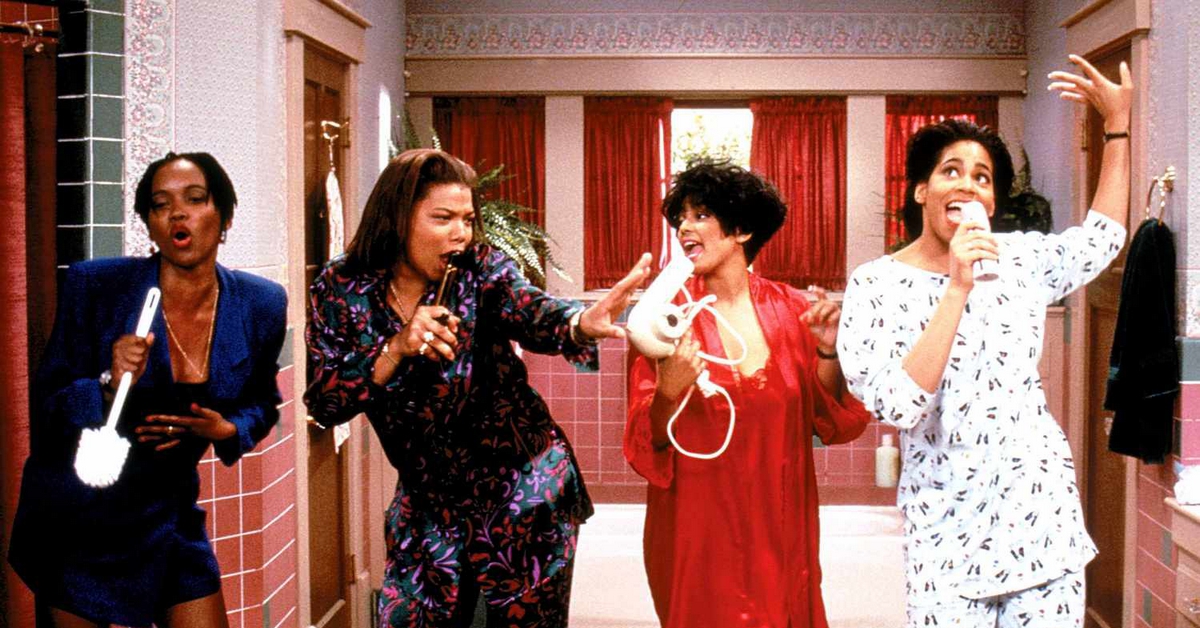
This was really important because representation matters. By offering fans relatable characters who are also in positions of power, the show allowed viewers to see themselves in those positions — inspiring them to dream bigger and achieve more. Another thing that made the show stand out was its portrayal of independent women, who were unapologetically themselves, all four of them, making them even more relatable and empowering to audiences.

Lastly, the enduring legacy of Living Single is what attests to its greatness. While it delivered plenty of laughs, it didn’t pull its punches when it came to tackling serious issues like racism, sexism, gentrification, and workplace challenges. Decades following its conclusion, Living Single remains loved by fans and continues to influence television, with many comparing it to later sitcoms, like Friends, acknowledging the series as a trailblazer for many modern TV series. And so, Living Single didn’t just stand out in the ’90s as the celebration of Black friendship and excellence, it remains a standout today.
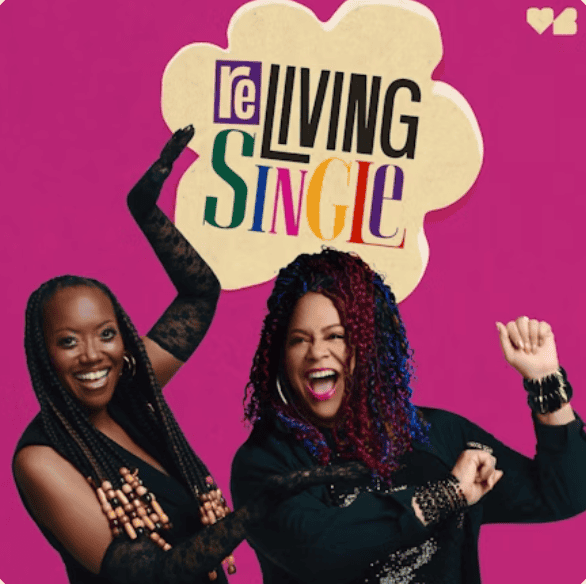
Erika Alexander and Kim Coles have launched a new podcast starting May 7th aptly titled “ReLiving Single”. The show will bring behind-the-scenes stories, exploring the show’s iconic moments, and reintroducing you to the stars that made the show a part of TV history.
Because we’re ready to go bask in the nostalgia of living in a 90s kind of world right now.