For years, Jake Paul has engineered a boxing career less about the sport itself and more about spectacle carefully curated matchups, exhibition rules, and opponents selected to maximize his advantages while minimizing real danger. It’s been a savvy business model, one that fused influencer culture with prizefighting and turned viral bravado into pay-per-view dollars. But hubris has a way of blurring the line between performance and reality. The Anthony Joshua fight was the moment that illusion finally shattered violently, conclusively, and in front of a global audience that couldn’t stop hitting replay.
Paul’s rise was never accidental. He leveraged size, youth, and access to elite training while facing opponents who, by and large, weren’t elite boxers in their primes. Whether former MMA fighters past their peak or novelty bouts framed as “events,” the formula worked because it fed the algorithm and rewarded audacity. Over time, the wins built confidence, the confidence built arrogance, and the arrogance built a belief that the gap between influencer boxing and championship-level heavyweight boxing wasn’t that wide. That belief was wrong.
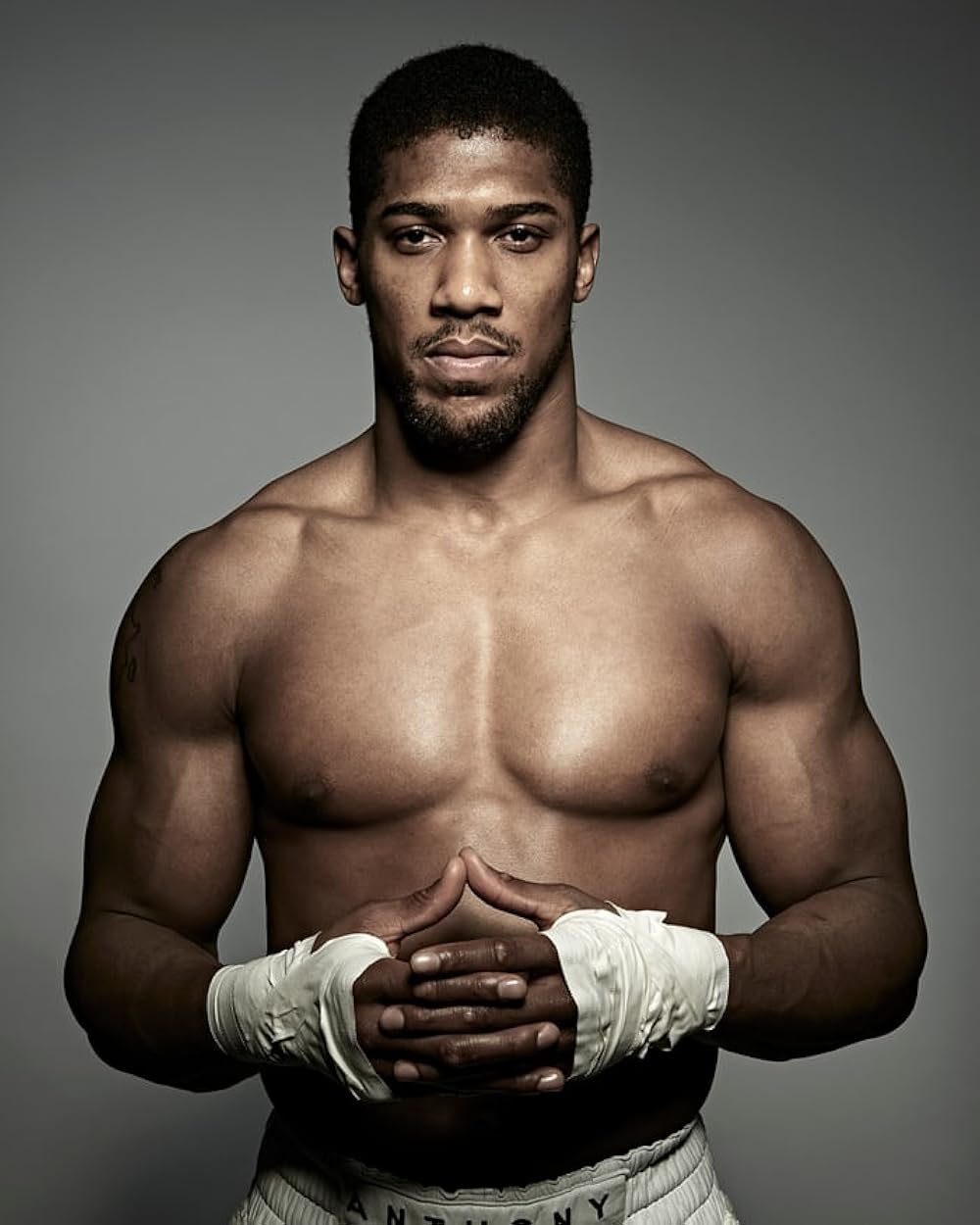
Anthony Joshua is not a manufactured attraction. He is a real athlete forged in the crucible of the heavyweight division. He’s an Olympic gold medalist with power, discipline, and years of experience against the very best in the world. From the opening bell, the difference was apparent. Joshua didn’t chase a viral moment; he executed a plan. Calm. Clinical. Punishing. He broke Paul down methodically, cutting off the ring, setting traps, and reminding everyone that boxing, at its highest level, is unforgiving.
When the knockout came it wasn’t shocking at all, in fact it was inevitable. Social media erupted instantly, and the memes wrote themselves. Netflix leaned all the way in posting the knockout in slow motion and effectively inviting the internet to do what it does best: screenshot, remix, and clown. The moment became a digital monument to overconfidence, replayed endlessly as a cautionary tale about mistaking attention for ability.
The irony of Paul suffering a broken jaw — temporarily silenced after years of relentless trash talk — was not lost on anyone. Boxing has always had a poetic sense of justice, and this was one of those moments where the symbolism hit as hard as the punch. Paul has made a career out of talking his way into relevance, but against Joshua, words didn’t matter.
Joshua, for his part, didn’t mince words after the fight. “I needed to give this guy a systematic breakdown,” he said. “I know what type of fighter he is. I said I’m going to take his soul and I said I’m going to see it leave its body round after round. And when the time comes, some people are just there to get knocked out. I said and that’s exactly what happened.” It was a chilling assessment, delivered not with bravado but with the matter-of-fact clarity of someone who understood the assignment and completed it.
Perhaps the most interesting aftermath is what this win did for Joshua online. In dismantling Paul, he didn’t just win a fight. He won the internet. New fans flooded his social feeds, many of them younger viewers who might never have watched a traditional heavyweight bout. For them, Joshua became the embodiment of authenticity triumphing over artifice. In one night, he bridged generations and reminded a meme-driven audience why the sport still matters.
This fight wasn’t just a loss for Jake Paul; it was a reality check for influencer boxing as a concept. The spectacle can coexist with the sport, but it cannot replace it. When the curtain is pulled back and the lights are brightest, there is no substitute for skill earned the hard way. Paul will recover, but the narrative has shifted. The myth of the invincible crossover star took a decisive hit, and the heavyweight division reasserted its authority.
In the end, Jake Paul met the limits of his experiment. Anthony Joshua met the moment. And the internet, ruthless and unrelenting, captured it all in slow motion in one punch, one lesson, and one jaw-dropping reminder that boxing at its core, still belongs to the fighters who’ve paid their dues.