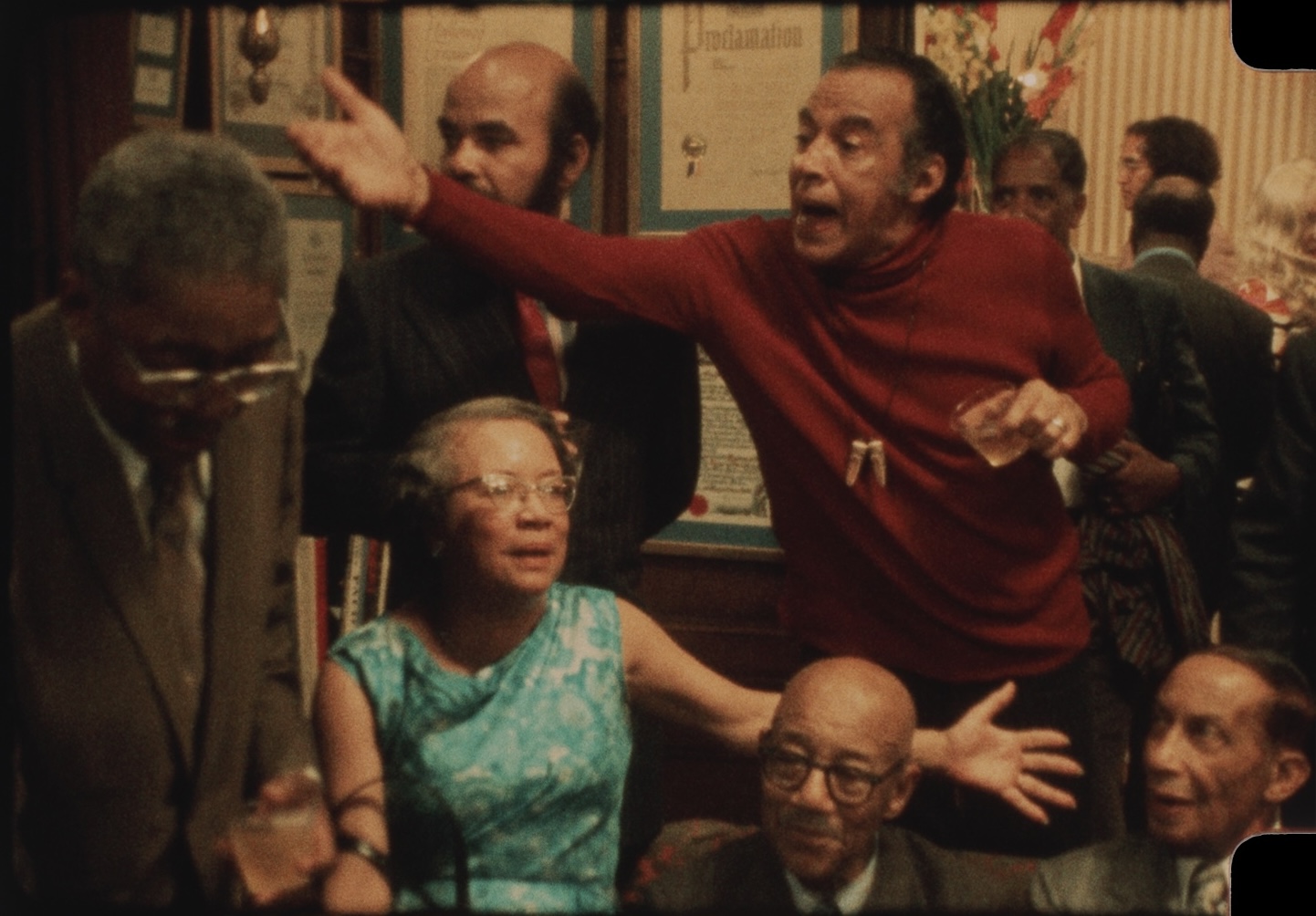

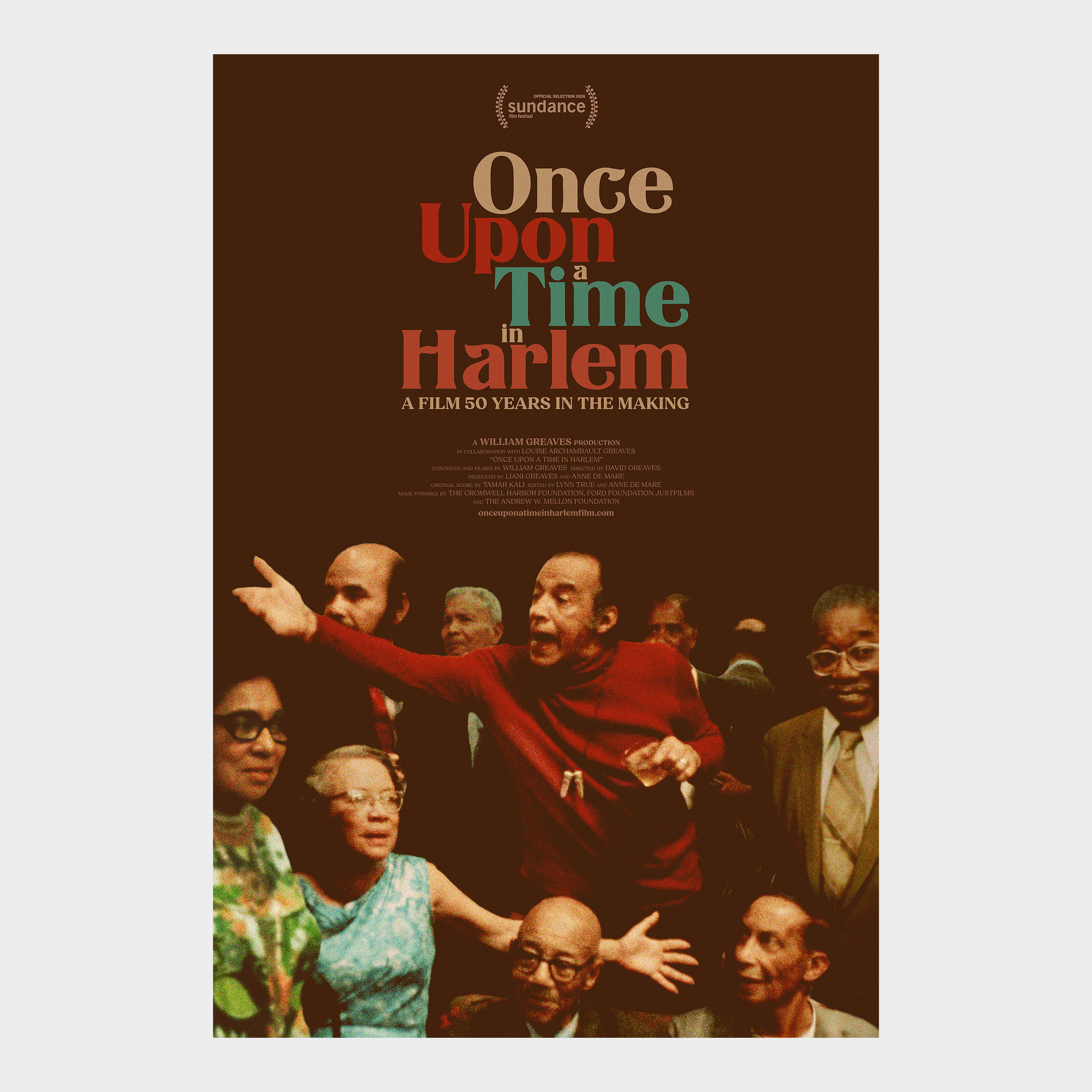
What happens when you gather some of the most prolific Black luminaries of the Harlem Renaissance in one room? You get conversation that flows effortlessly between art, history, politics, and culture. You get debate, laughter, reflection, and vision. You get William and David Greaves’ groundbreaking documentary Once Upon A Time In Harlem, a film that feels both archival and urgently present. With a powerful score composed by Tamar-kali, whose work has underscored several Oscar-nominated films over the past decade, this documentary carries the weight and resonance of a project destined to reemerge during awards season.
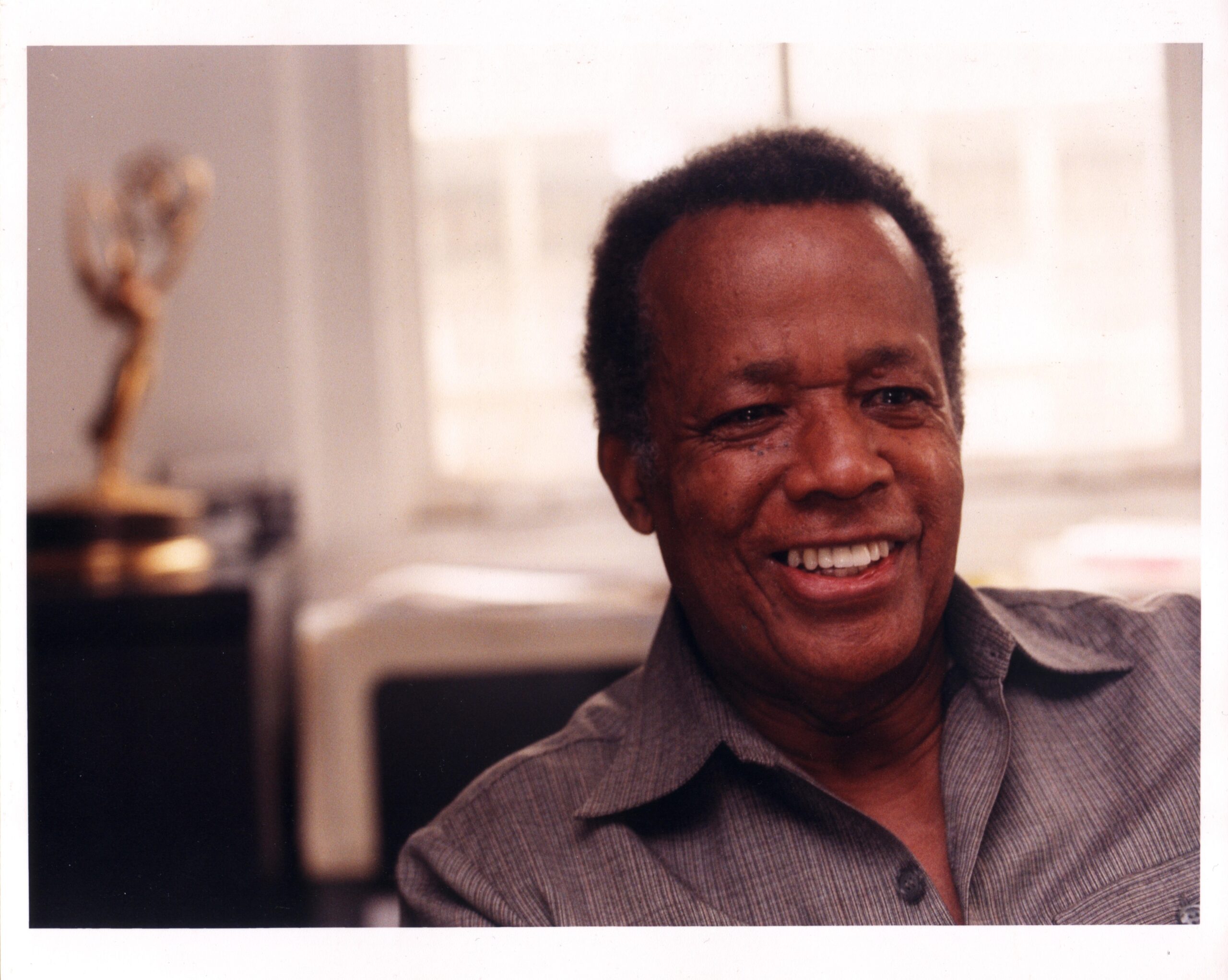
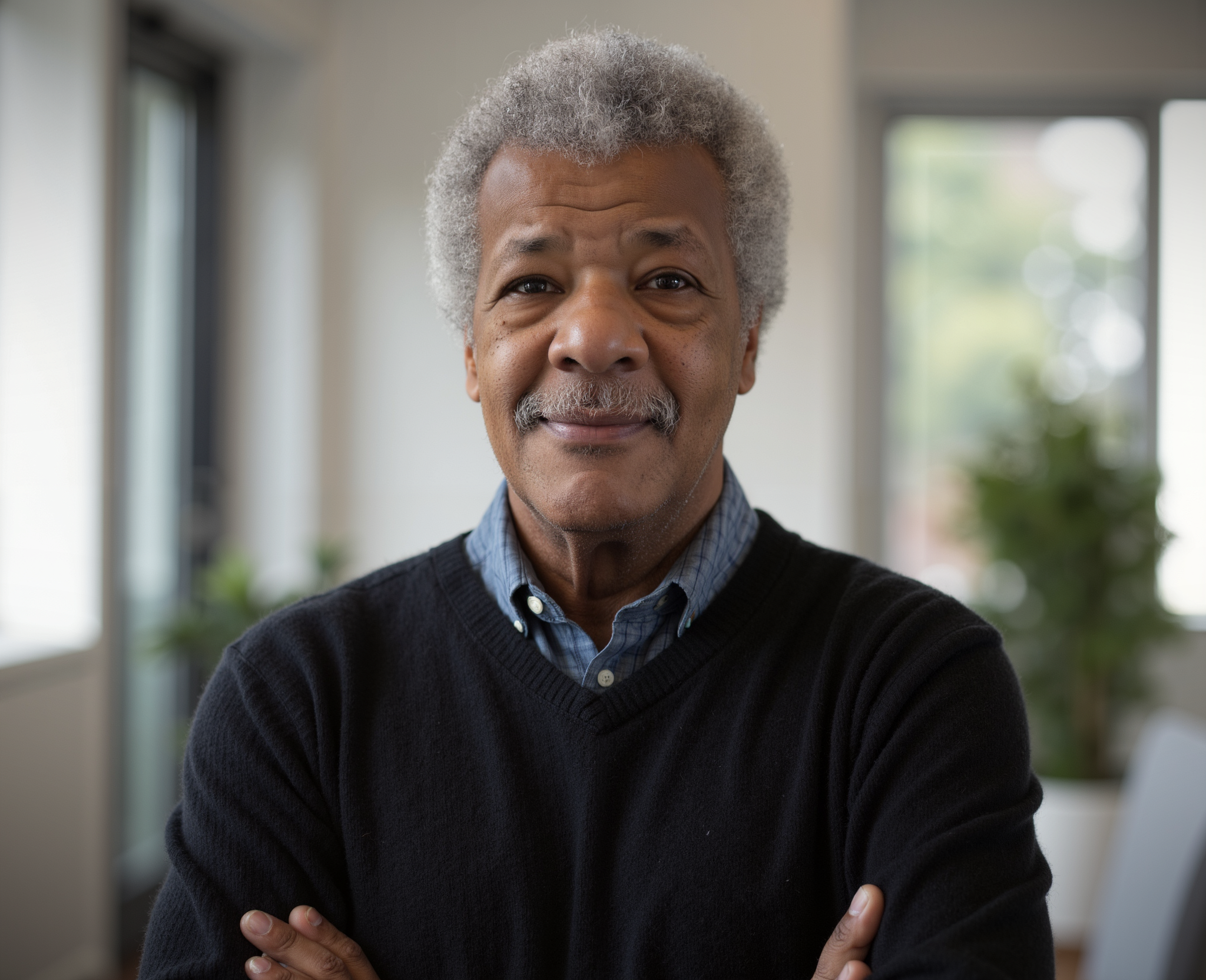
Inspired by David Levering Lewis’ seminal book When Harlem Was In Vogue, the film transports viewers into the home of Duke Ellington on a single evening during a lively gathering. The setting is intimate yet electric. The room is filled with artists, musicians, librarians, poets, journalists, actors, photographers, educators, and critics, all of whom helped define one of the most influential cultural movements in American history. As drinks are poured and cigars are lit, conversations drift from reflections on the past to predictions about the future and frank discussions about the state of the Black community. These exchanges are not staged or stiff. They feel alive, layered, and deeply human.
Centered in Harlem during the early twentieth century, the Harlem Renaissance was a defining period of African American artistic and intellectual growth. Shaped by the Great Migration, it challenged outdated perceptions and elevated Black voices through literature, music, art, and social activism.
One line spoken in the film lingers: “The Harlem Renaissance will never end.” That statement feels bold. Watching the film, it becomes clear that the Harlem Renaissance was never confined to a specific era or geography. It was, and remains, a living framework for Black cultural expression. Even today, we can see its echoes in contemporary art and cinema. Ryan Coogler’s recent film Sinners, for example, feels like a modern renaissance moment in Black entertainment, one that draws from history while boldly reshaping the present. The conversations captured in Once Upon A Time In Harlem remind us that cultural innovation and political consciousness have always been intertwined within Black artistic movements.
The documentary also emphasizes how deeply political the Harlem Renaissance truly was. It was not merely a flowering of creativity but a deliberate response to systemic oppression. The film explores internal debates and counter movements within the community, revealing how differing philosophies coexisted and sometimes clashed. These tensions shaped the movement in profound ways, influencing how Black artists defined themselves and their responsibilities to the broader struggle for civil rights. In this sense, the film does more than preserve history. It contextualizes it, showing how these thinkers and creators laid groundwork that continues to shape cultural discourse today.
The individuals featured in this documentary did not simply participate in history. They actively redirected its course through their cultural and political visions. Watching Once Upon A Time In Harlem stirred two very distinct emotions for me: sadness and pride. The sadness came from realizing how many of these luminaries were unfamiliar to me before seeing this film. Figures like Jean Blackwell Houston, the chief of the Schomburg Collection, and Irvin C. Miller, a renowned theatrical producer, were names I had rarely encountered, if at all. This realization speaks to a broader failure within American education. So much Black history remains overlooked or marginalized, and it is troubling to recognize how little exposure many of us have had to the architects of our own cultural legacy.
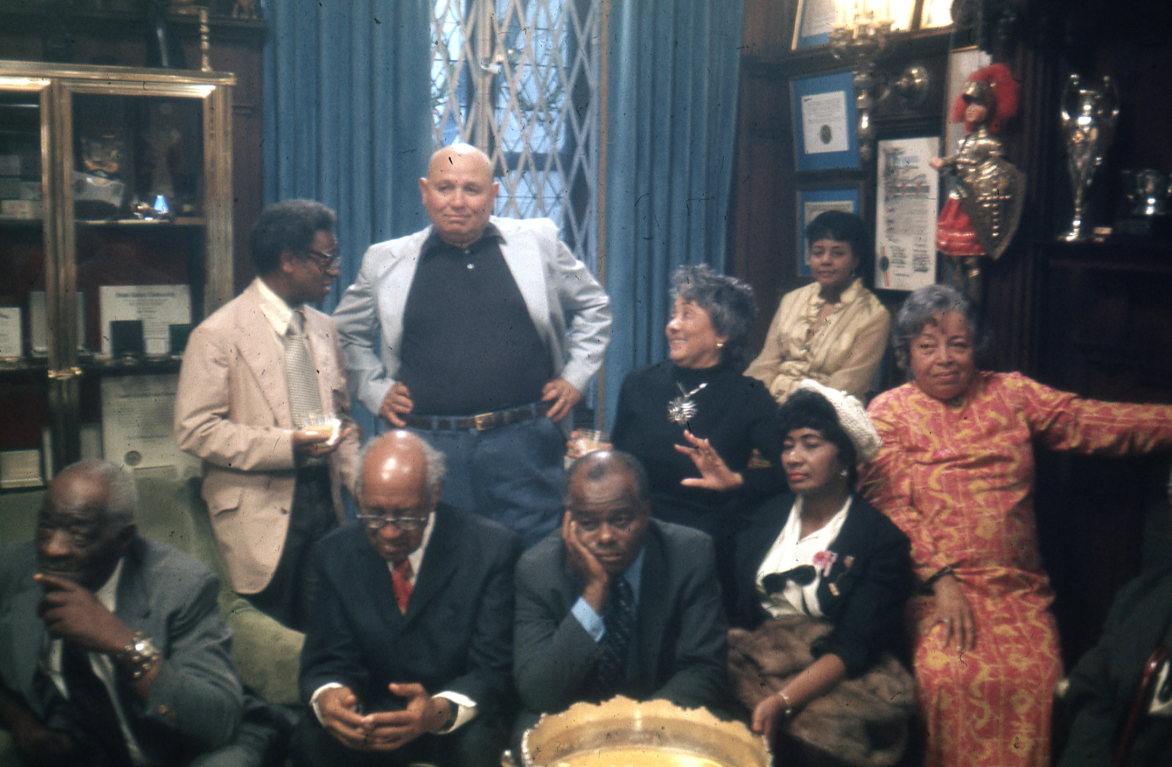
At the same time, the film filled me with immense pride. These were brilliant, intentional Black men and women who shaped art, preserved history, and fought for civil rights through their work. Their contributions were foundational. Seeing their faces, hearing their voices, and witnessing their intellect reminds us that Black excellence has always been deliberate and deeply rooted in community.
Once Upon A Time In Harlem is a film that belongs in classrooms, libraries, and cultural institutions across the country. It should be required viewing in schools, not confined to Black History Month in February but recognized year-round as an essential chapter of American history. The documentary moved me, challenged me, and ultimately reaffirmed the profound impact of my ancestors on the arts and on social progress. It is both a tribute and a call to remember.
The film made its premiere at the 2026 Sundance Film Festival, and audiences can check the festival schedule for additional showtimes. This is a documentary that deserves to be seen, discussed, and preserved, not just as a historical record but as a living testament to the enduring spirit of the Harlem Renaissance.