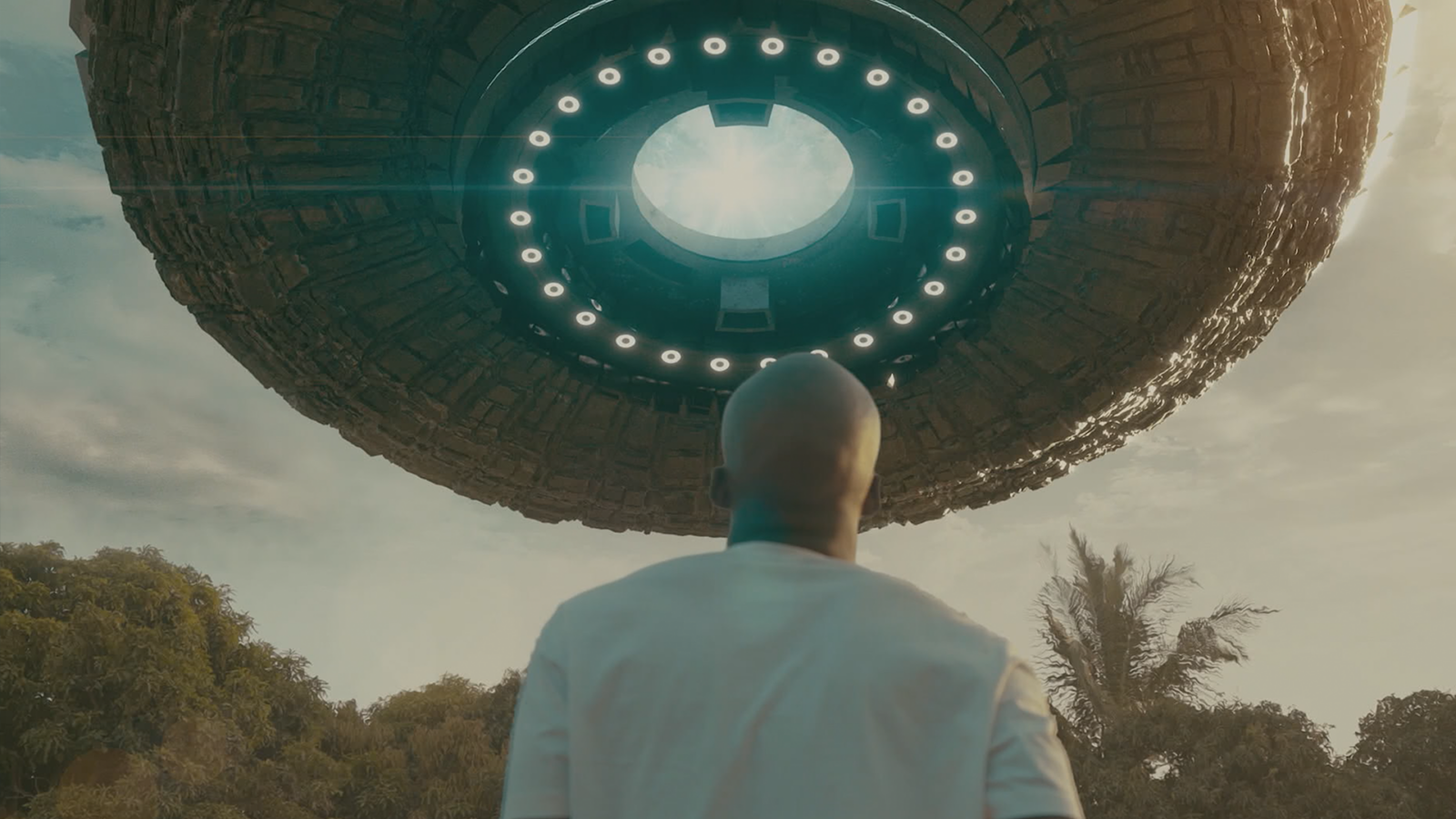

In 2019, writer-producer Pietra Brettkelly (Yellow Is Forbidden) left her home base of New Zealand and traveled to the Nigerian city of Kaduna, also known as “Crocodile City.” There, she met with a collective of prolific young filmmakers and decided to co-direct a documentary about their lives.
Executive produced by Idris Elba (Hijack), Crocodile centers on a group of Nigerian teenagers — Godwin and Victor Josiah and their cousins, Raymond, Richard, and Ronald Yusuff. Collectively, they’re known as the Critics. The documentary closely follows them as they create their own science-fiction short films for YouTube, mostly using smartphones. Years ago, they caught the attention of Hollywood filmmaker J.J. Abrams (Star Wars: The Force Awakens), who was so impressed with their work, he sent them top-of-the-line equipment to continue their DIY film projects.
Within the first few minutes of the doc, I was endeared to these self-taught filmmakers and became invested in their budding careers. They write, record, and edit each of their films, on top of acting, casting, building sets, sewing costumes, creating fake blood, and crafting impressive VFX. They include their other family members and the local community, casting them in films and even showing them how to direct (little Rachel has her moment in the spotlight). Two of the productions we see come together include a Star Wars short and a recreation of Joker. There are many others, but their titles weren’t always shared.
When it comes to storytelling, the Critics turn to sci-fi to fully express themselves. With so many obstacles and very little resources, it’s their shared passion for cinema that keeps them working on what they love. There’s a freedom in genre storytelling that not only lets them escape into other worlds but also gives them the chance to create those otherworldly realms themselves. They make a point to distinguish their own style and intention from the typical Nollywood movie.
As they grow and improve as artists, they have to deal with both external and internal challenges that threaten to end their filmmaking careers before they’ve even started, including the unreliable electricity that causes several power outages. They’re also surrounded by unsupportive adults. Despite what their parents think, making films is more than just a hobby or a passing interest that won’t lead to a “real job.” It’s a response to their violent surroundings. Early on in the documentary, one of them says, “Instead of being just angry, we make films to fill the void.” Choosing to express their individuality through art instead of violence should be celebrated, but they live in a traditional community that seemingly doesn’t appreciate creativity.
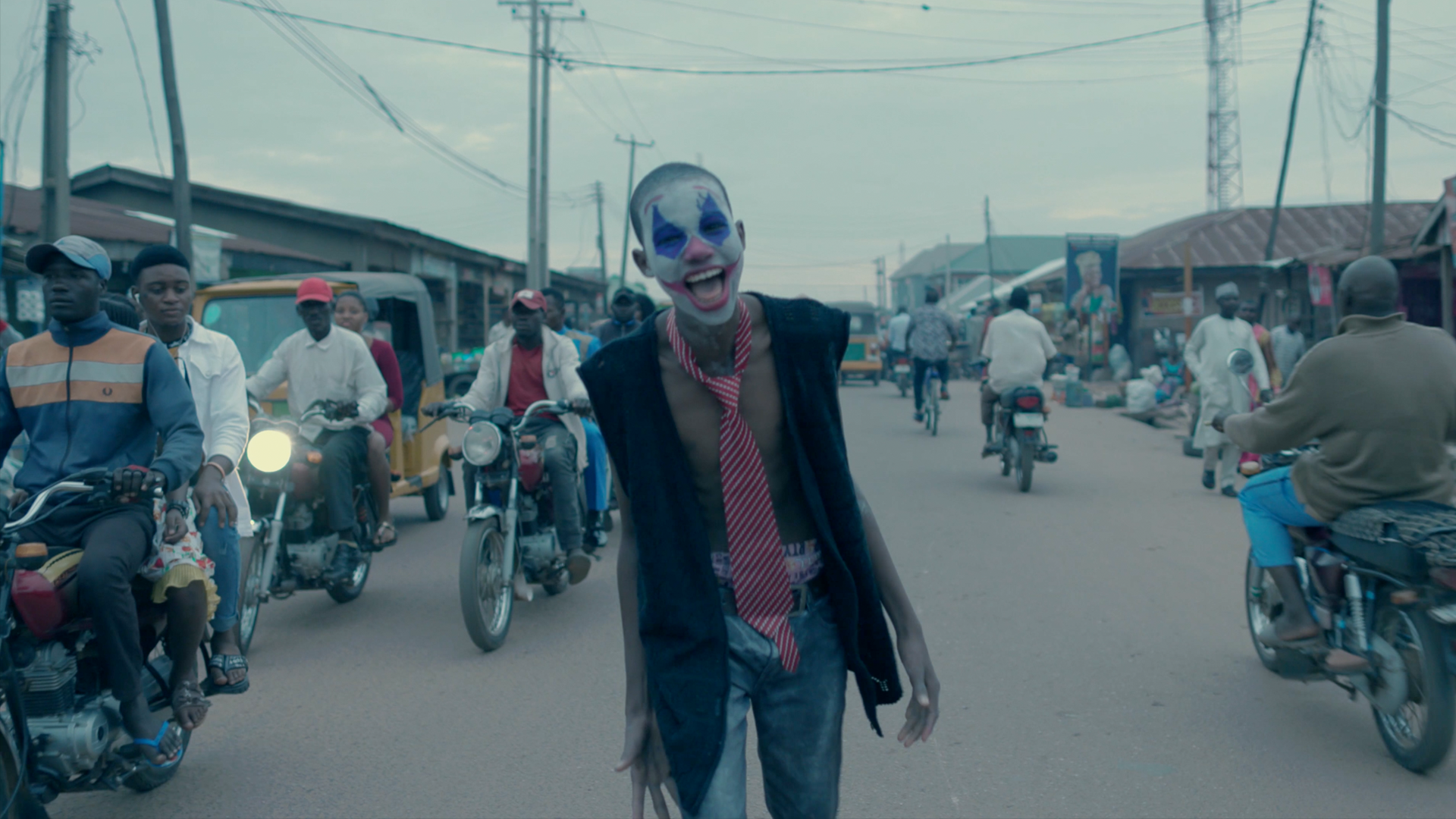
Watching and making films allows them to escape their everyday limitations, and the tone changes when they’re confronted with reality. One minute they’re laughing and having fun making a movie, and the next, they’re talking about police brutality and kidnappings. Having the Critics co-direct their own documentary means they included these real-life events for a reason. It can be jarring and hard to watch, but this is their upsetting reality, and it’s seeing these injustices go unresolved that influences their fantastical storytelling.
In addition to documenting their behind-the-scenes process, the teens had to open up about their private lives and personal struggles, like dealing with the death of a parent. Having them film these scenes themselves makes the film less traditional and more intimate. At some points, there’s a rift among the crew, like when they decide on their individual roles within the collective and when Godwin’s main interest becomes music.
Thankfully, Crocodile has many joyful moments, too. We get to see them achieving and celebrating milestones, like receiving a YouTube plaque after hitting 100K subscribers. Their absolute elation is so wholesome. And with so much pushback and overreactions from their parents, seeing every accomplishment against all odds is extra satisfying.
The documentary spans 13 years, but where we are in their story is not always clear (though aging from teens to adults is pretty easy to spot). There are no sit-downs or talking-head interviews. It’s mostly members of the group occasionally providing narration, or speaking directly to the camera. Names and dates aren’t super necessary for a doc like this, but they’d be helpful as we try to follow their trajectory. I think breaking it up into chapters would make it easier for audiences to understand the passage of time and their place in their lives and art. However, the style is so immersive that title cards and on-screen text may ruin that effect.
Crocodile is an inspiring, coming-of-age documentary that chronicles the rise of independent filmmakers, the Critics, as they hone their craft and gain recognition for their talent. While it could use a little more structure, it’s an authentic and fascinating look at young amateurs becoming auteurs.
Crocodile has its North American premiere on June 5 at the 2026 Tribeca Film Festival.