
Some stories ask what happened. Others ask how people continue living after something happens that can never be undone. In Atonement, that second question becomes the foundation for a conversation about grief, responsibility, and whether facing another person can offer any measure of healing.
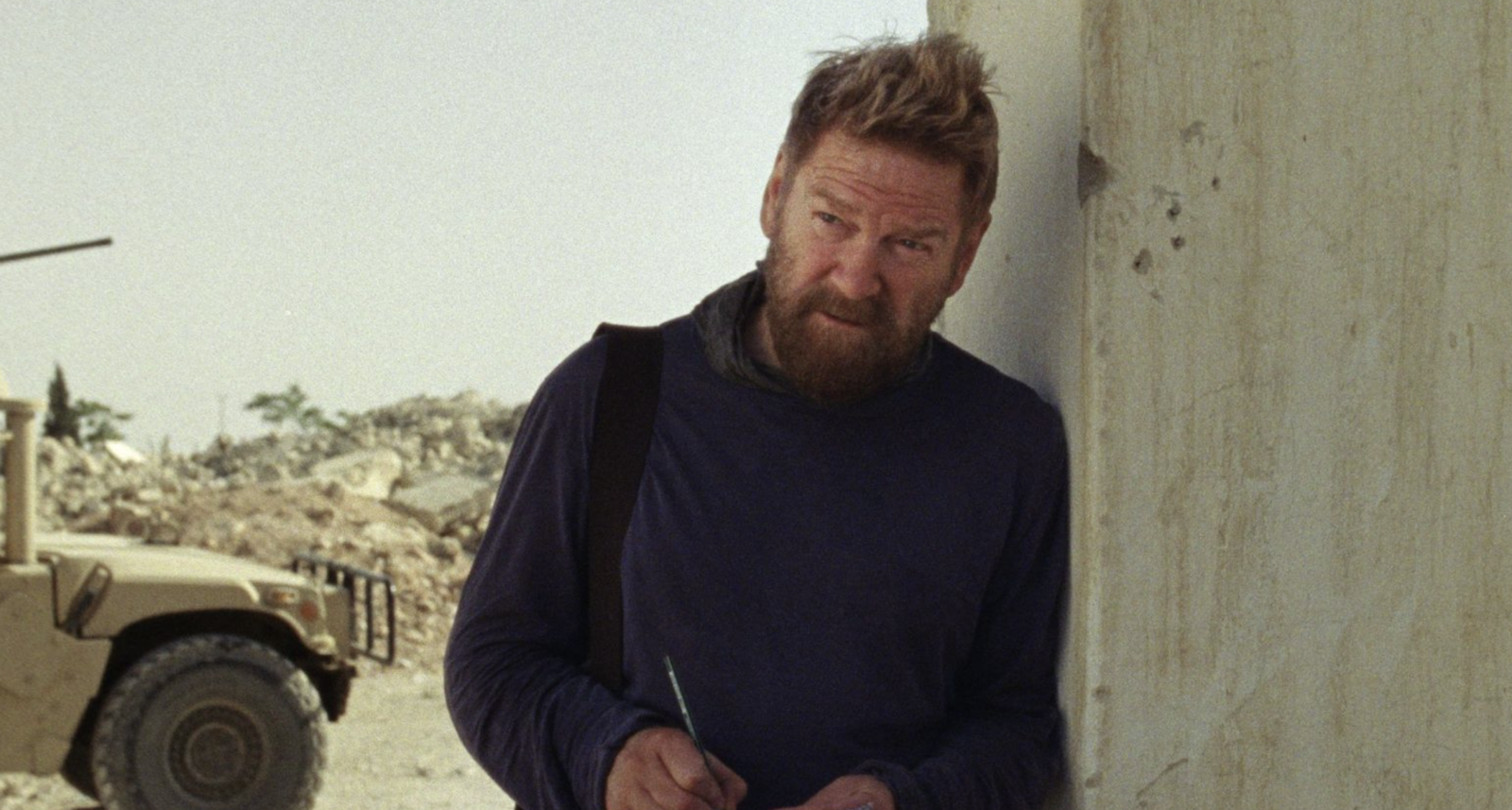
Written and directed by Reed Van Dyk, the drama follows a U.S. Marine whose decision during an Iraq War firefight devastates an Iraqi family. Years later, he seeks a meeting with the survivors, assisted by a journalist. Boyd Holbrook stars as Lou D’Alessandro, Hiam Abbass plays family matriarch Mariam Khachaturian, and Kenneth Branagh portrays journalist Michael Reid. Inspired by true events, the film brings these characters together around the possibility of reconciliation.
In BGN’s interview, Branagh reflected on why cinema can be such a powerful space for exploring consequences that follow people for years. For him, the medium’s strength lies in its ability to move beyond the record of an event and into the private experience of carrying it.
“I think movies can get inside the minds of the characters, so get beyond the facts,” Branagh said. “The facts are difficult and complex here, and they’re also quite final and fatal. People died. There was loss.”
His observation gets to the heart of the discussion surrounding Atonement. Understanding what happened does not necessarily make it easier to live with. A person can know the circumstances, recognize the consequences, and still struggle to find a way forward.
“There’s an intellectual way of understanding it,” Branagh explained. “These things happened. It was painful. Nobody wanted it. But there’s an emotional and spiritual cost which doesn’t go away.”

That distinction matters. Trauma does not operate according to a timeline that makes sense to everyone else. Years can pass while the emotional weight remains immediate, shaping how someone moves through an otherwise ordinary day.
“The film camera can allow us to experience the being of these characters,” he continued.
For Branagh, cinema can make that persistence tangible. Audiences can encounter the people still living with the aftermath, including feelings they may struggle to articulate.
“You feel very powerfully them carrying this thing years and years and years later,” he said.
What Can Reconciliation Actually Offer?
The prospect of bringing Lou and Mariam face to face introduces questions that cannot be answered simply by arranging a meeting. What does each person need from the encounter? Can acknowledgment bring relief? And what happens if the pain remains?
Branagh described those uncertainties as central to the film’s exploration.
“Is there any additional comfort, relief, release, empathy?” he asked. “Is that achievable by bringing them face to face?”
Those questions leave room for a difficult distinction: seeking forgiveness and receiving it are separate experiences. One person’s need to confront the past does not determine what another person should feel or provide.
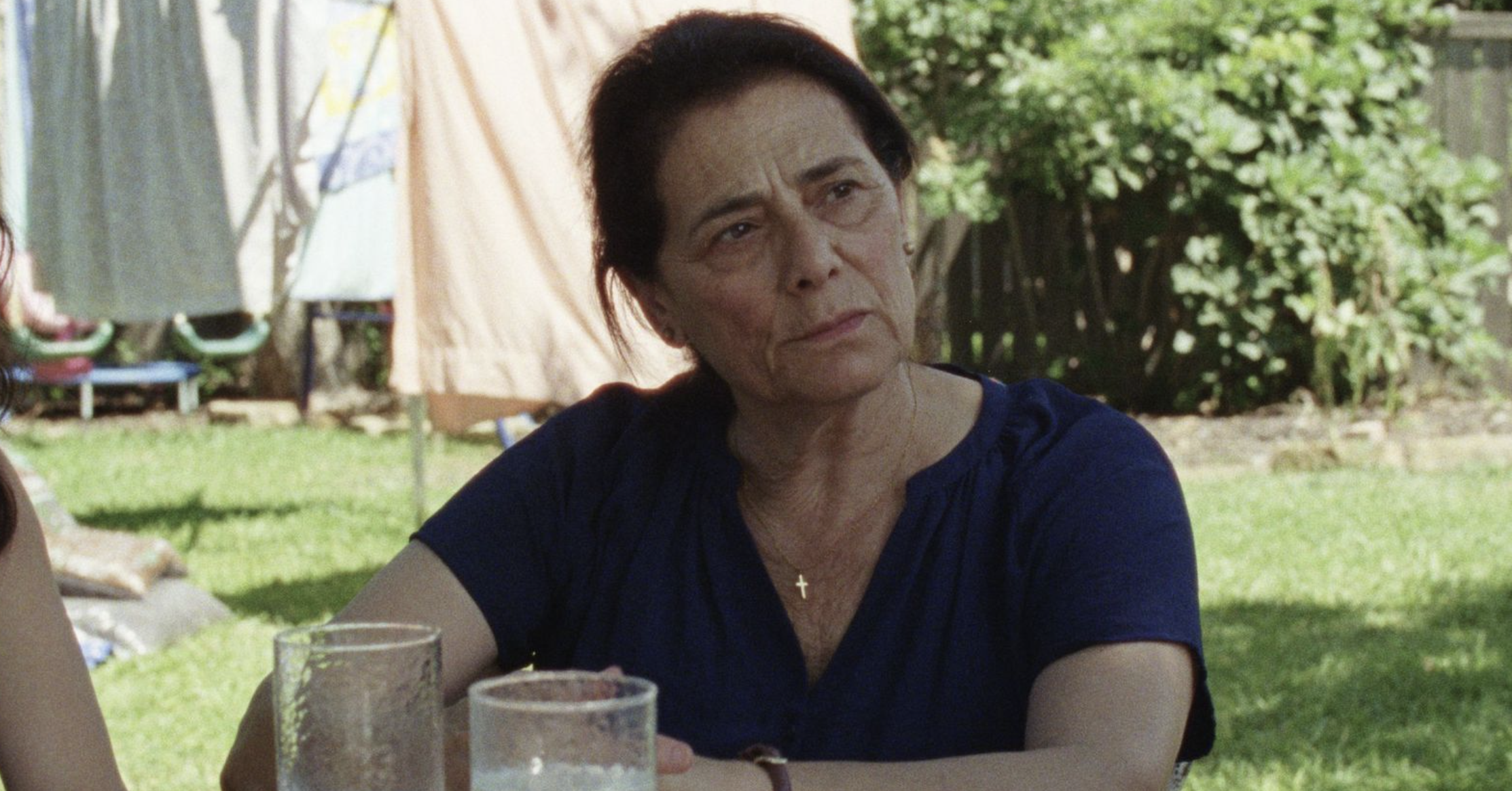
Mariam’s place in that conversation is especially significant. A woman who has endured devastating loss deserves to be understood as a person with her own interior life, boundaries, and needs. Her grief cannot become merely a step in someone else’s recovery. Branagh’s comments invite audiences to consider both characters’ suffering while recognizing that they arrive at the encounter from profoundly different positions. The potential for empathy exists alongside consequences that cannot be reversed.
Boyd Holbrook on Lou’s Breaking Point
For Holbrook, preparing to play Lou meant exploring how the character’s distress manifests internally and physically. He described spending several hours in interviews with Van Dyk and considering Lou’s transition from military service to the uncertainty of life afterward.
Holbrook spoke about his respect for those who serve while examining the range of difficulties his character faces upon returning home. His preparation centered on understanding how those experiences accumulate until Lou reaches a breaking point.
“I really started to tap into how that sort of vibration was breaking him from the inside to a point that he had literally hit rock bottom,” Holbrook said.
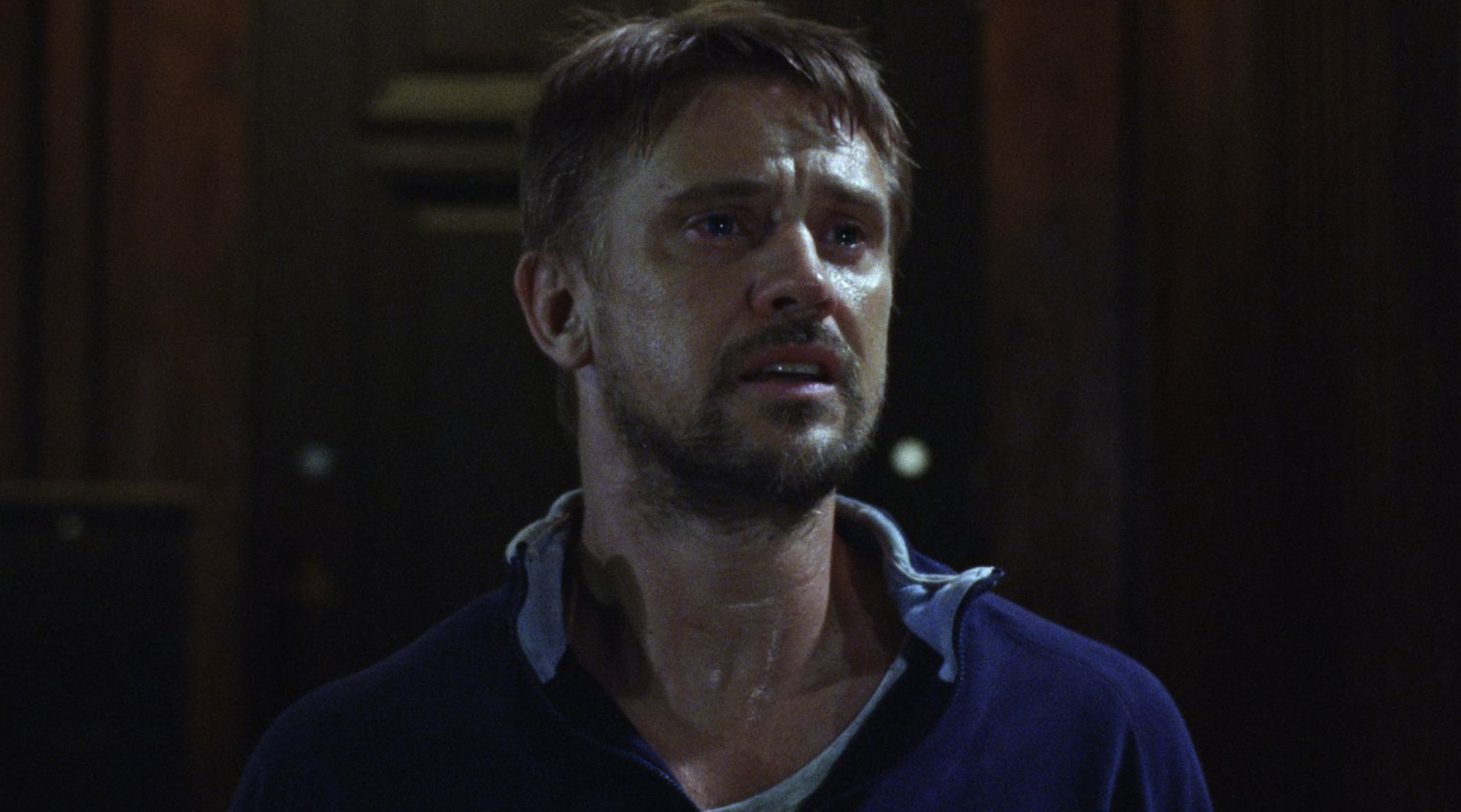
Within that deterioration, he found the force driving Lou toward Mariam. In Holbrook’s understanding of the character, seeking her out becomes an urgent need to confront something he can no longer carry without taking action.
“He had to find her,” he said. “And that was so moving to me.”

Holbrook described Lou as needing to face whatever the meeting might bring, with the hope that confronting the past could make some form of repair possible for both of them.
Lou can decide to seek Mariam, but he cannot decide how she will respond. His willingness to face her becomes meaningful precisely because the outcome remains beyond his control.
Hiam Abbass on Finding Mariam Independently
Abbass approached her preparation through an individual process. Asked whether she and Holbrook discussed their characters’ shared history before filming, she explained that they did not. Each actor worked with Van Dyk separately, allowing their understanding of the characters to develop without building that relationship together beforehand.
“My character is my character,” Abbass said. “It’s coming out because it has to come out, and it’s a whole system of work and a process of preparation until you get there.”
Her response offers a revealing perspective on acting. The connection audiences eventually see can emerge from two performers who have each established a separate emotional foundation. Abbass recalled greeting Holbrook warmly before they began working, then entering the scene through their respective characters.
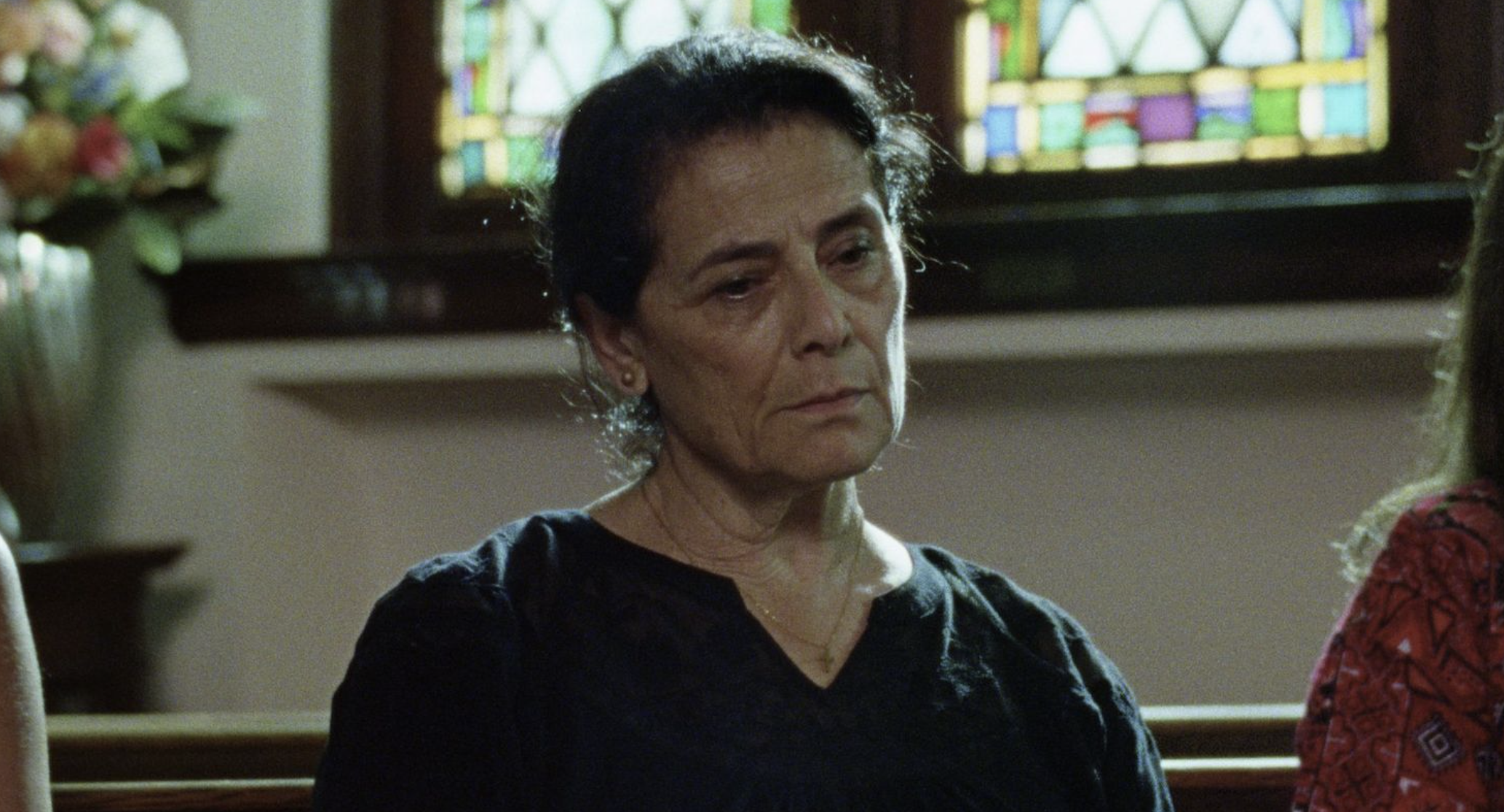
“He was Lou, and I was Miriam,” she said, using the name as spoken in the interview. “So that’s how it works for me.”
That independence is particularly relevant to this story. Lou and Mariam are connected by a devastating event, but they have lived different lives in its aftermath. Preparing separately allowed each performer to arrive with their own understanding of what their character carries into the encounter.
Across BGN’s conversation with Branagh, Holbrook, and Abbass, Atonement emerges as an opportunity to examine what people seek when they confront an irreversible past. Branagh speaks to cinema’s ability to reveal the lasting emotional cost. Holbrook describes the desperation that pushes Lou toward a meeting. Abbass emphasizes the preparation that allows Mariam to exist fully on her own terms.
Together, their reflections pose a difficult question: when the loss cannot be undone, what might acknowledgment, empathy, or reconciliation still make possible?
Atonement is currently playing in theaters.