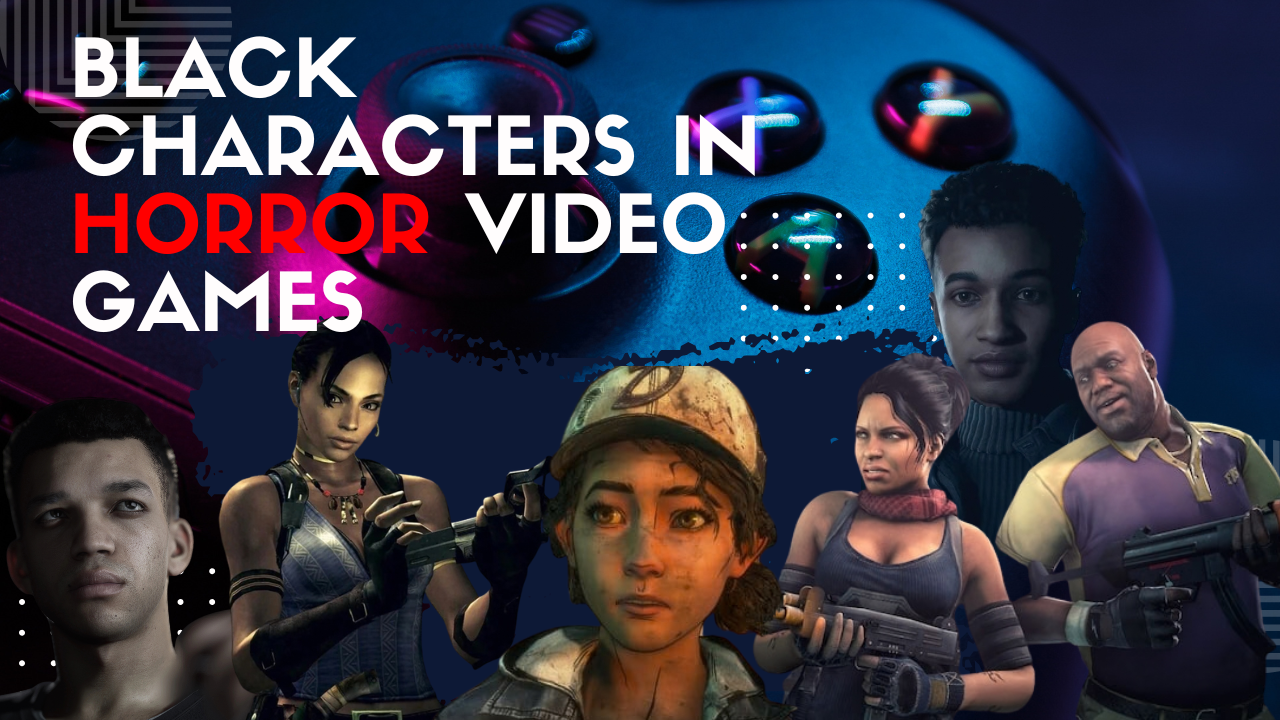

Horror games ask a lot of us. Conserve ammunition. Investigate that suspicious noise. Walk into a building that has absolutely failed its vibe check. Somewhere between the first locked door and the monster crawling across the ceiling, we also want to see characters who look like us getting a chance to lead the story.
Black characters have helped shape horror gaming as investigators, parents, soldiers, teenagers, and survivors. Their roles stretch from the emotional devastation of The Walking Dead and the investigative survival horror of Alan Wake 2.
But representation deserves a closer look than counting faces. Who gets to be playable? Who has relationships and ambitions? Who exists primarily to help someone else survive?
This guide explores notable Black characters across survival horror, narrative horror, zombie action, and supernatural adventures. It includes biracial Black characters and distinguishes playable roles from supporting appearances. It is a broad starting point rather than an exhaustive inventory of every release. Major story twists and character deaths are kept out of the discussion.
Black Leads Who Put Players at the Center of the Horror
Saga Anderson in Alan Wake 2
Role: Playable co-protagonist
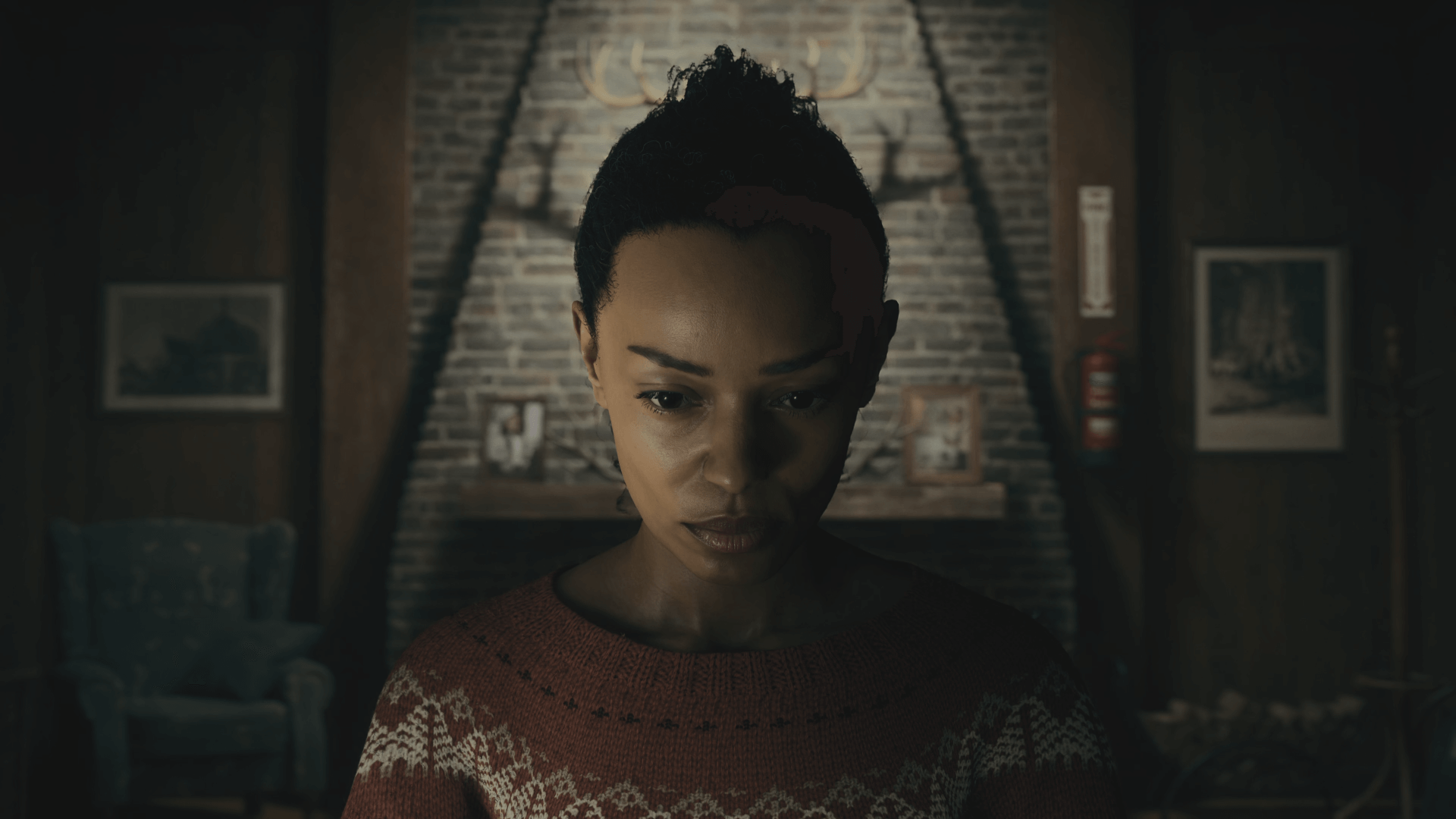
Saga Anderson is an FBI profiler investigating ritualistic murders in the Pacific Northwest. Naturally, the case becomes considerably more complicated than filing a report and going home. She shares protagonist duties with Alan Wake, bringing detective work and her own perspective to a story where fiction can become frighteningly real.
Saga’s importance extends beyond being a Black woman with a badge. Players inhabit her thought process through the Mind Place, examine evidence, and follow her relationships. Her intelligence drives the investigation, while her personal stakes give the nightmare emotional weight. She gets to be capable, frightened, skeptical, and determined within the same story.
Sheva Alomar in Resident Evil 5
Role: Playable co-protagonist
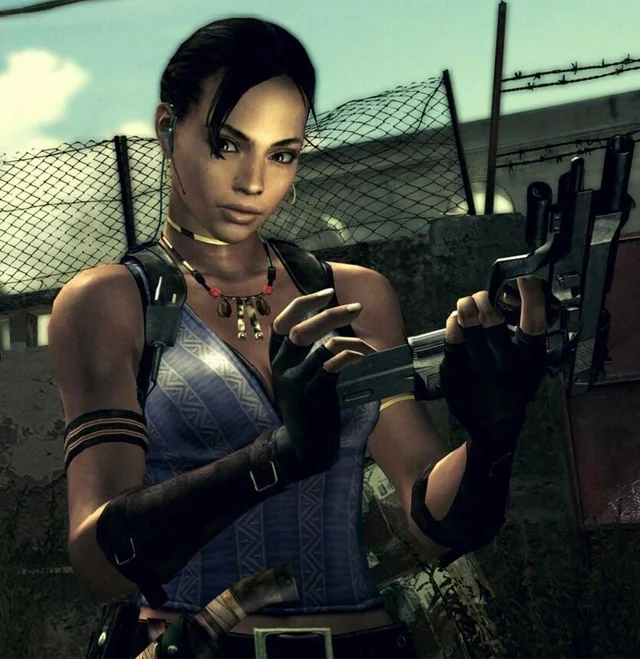
Sheva Alomar is a West African agent with the Bioterrorism Security Assessment Alliance who partners with Chris Redfield. She fights through the campaign as a central participant in its cooperative design. In solo play, she initially functions as the AI-controlled partner; selecting her for solo play becomes available after completing the game.
Sheva belongs in any discussion of Black women in horror gaming, although celebrating her does not require ignoring Resident Evil 5’s troubling racial imagery. A capable African heroine and a setting that invites criticism can exist in the same game. Sheva deserves recognition, and the surrounding portrayal deserves scrutiny.
Lee Everett in Telltale’s The Walking Dead
Role: Playable protagonist in the first season
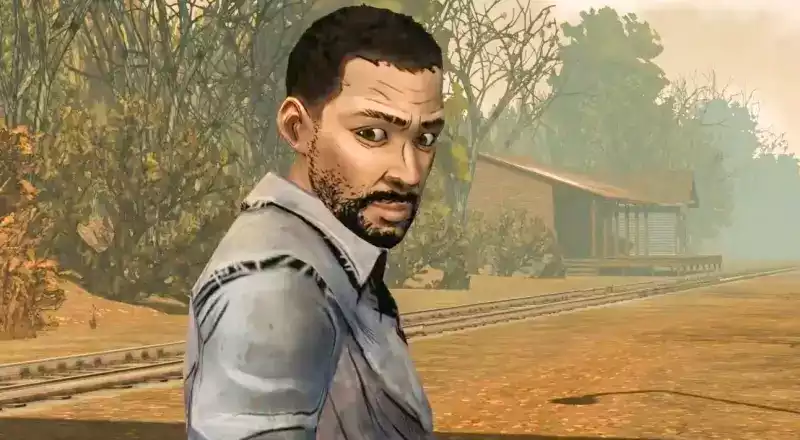
Lee Everett is a former history professor whose life changes when the zombie apocalypse interrupts his journey to prison. His relationship with Clementine gives the first season its emotional center.
The horror includes walkers, but it also lives in decisions about trust, responsibility, and what children learn from the adults around them. Lee’s tenderness matters. A Black male lead gets to protect through patience and care as well as physical courage, and players must decide what that protection actually looks like.
Clementine in The Walking Dead
Role: Supporting character who becomes a playable lead
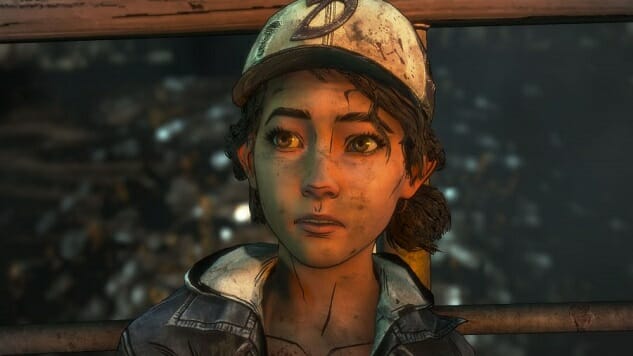
Clementine begins as the child Lee protects and grows into one of the series’ defining survivors. A biracial Black character, she leads Season Two and The Final Season and has playable flashback sequences in A New Frontier.
Her development gives players something horror rarely allows: time to watch a Black girl grow, learn, make mistakes, and become responsible for someone else. The transition from Lee’s guidance to her relationship with AJ creates a powerful conversation about how survival lessons pass between generations.
Michonne in The Walking Dead Michonne
Role: Playable protagonist
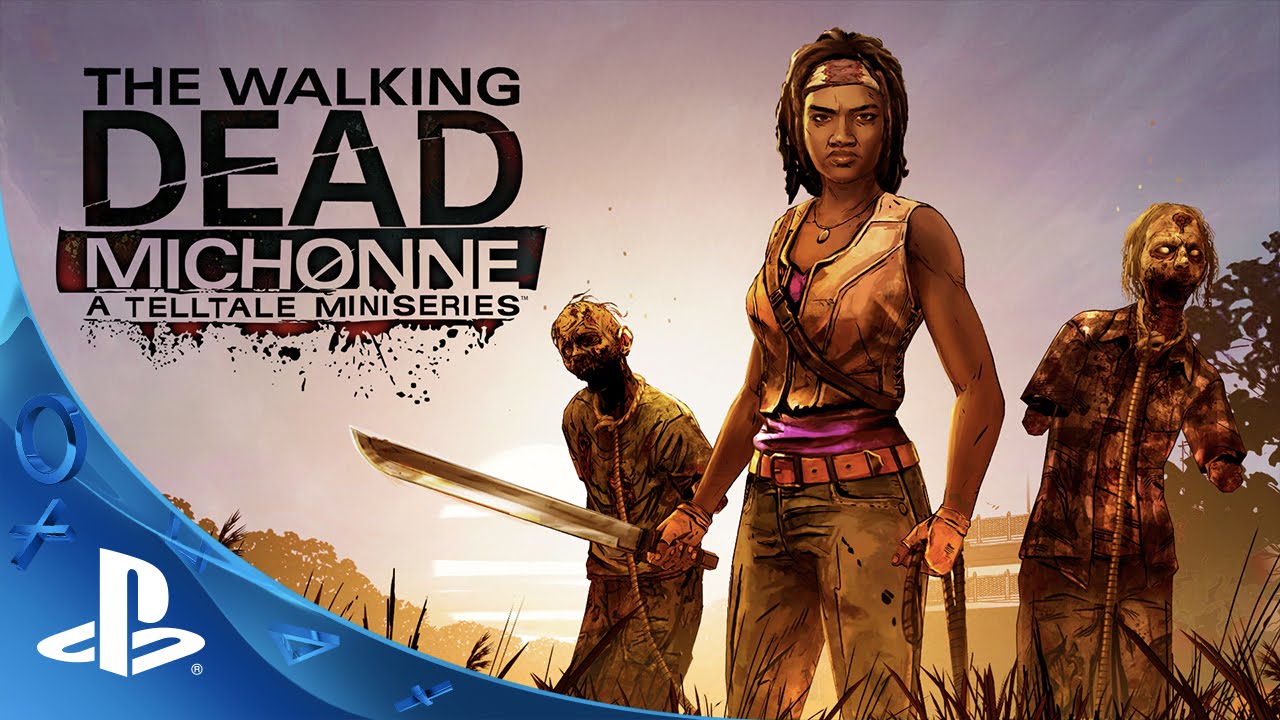
The katana is iconic, but Michonne brings more than a memorable weapon. Telltale’s three-episode miniseries follows the comic-book version of the character during a period away from Rick’s group.
Her story explores grief, memory, and the difficulty of moving forward after devastating loss. Black women in genre stories are often expected to stay composed while carrying everybody else. Michonne’s game makes room for the psychological cost of surviving.
Playable Black Characters in Ensemble Horror
Rochelle and Coach in Left 4 Dead 2
Role: Playable survivors
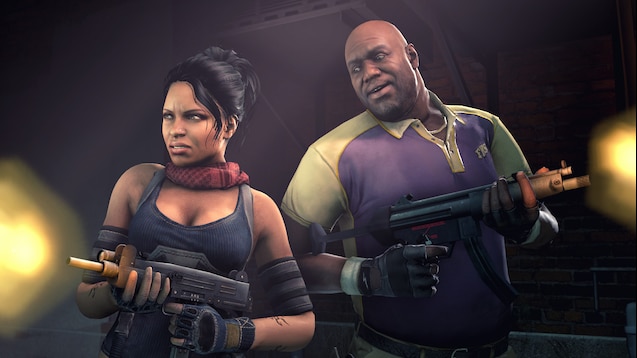
Rochelle, a television news associate producer, and Coach, a former football coach, are two of the four survivors in Left 4 Dead 2. They battle through an infected American South where staying together is usually the difference between reaching safety and becoming somebody’s rescue mission.
Their personalities emerge through conversation, jokes, and their responses to danger. Neither needs supernatural powers to earn a place on the team. They need weapons, cooperation, and teammates who stop wandering off when a Hunter is nearby.
Ryan Erzahler in The Quarry
Role: Playable ensemble protagonist
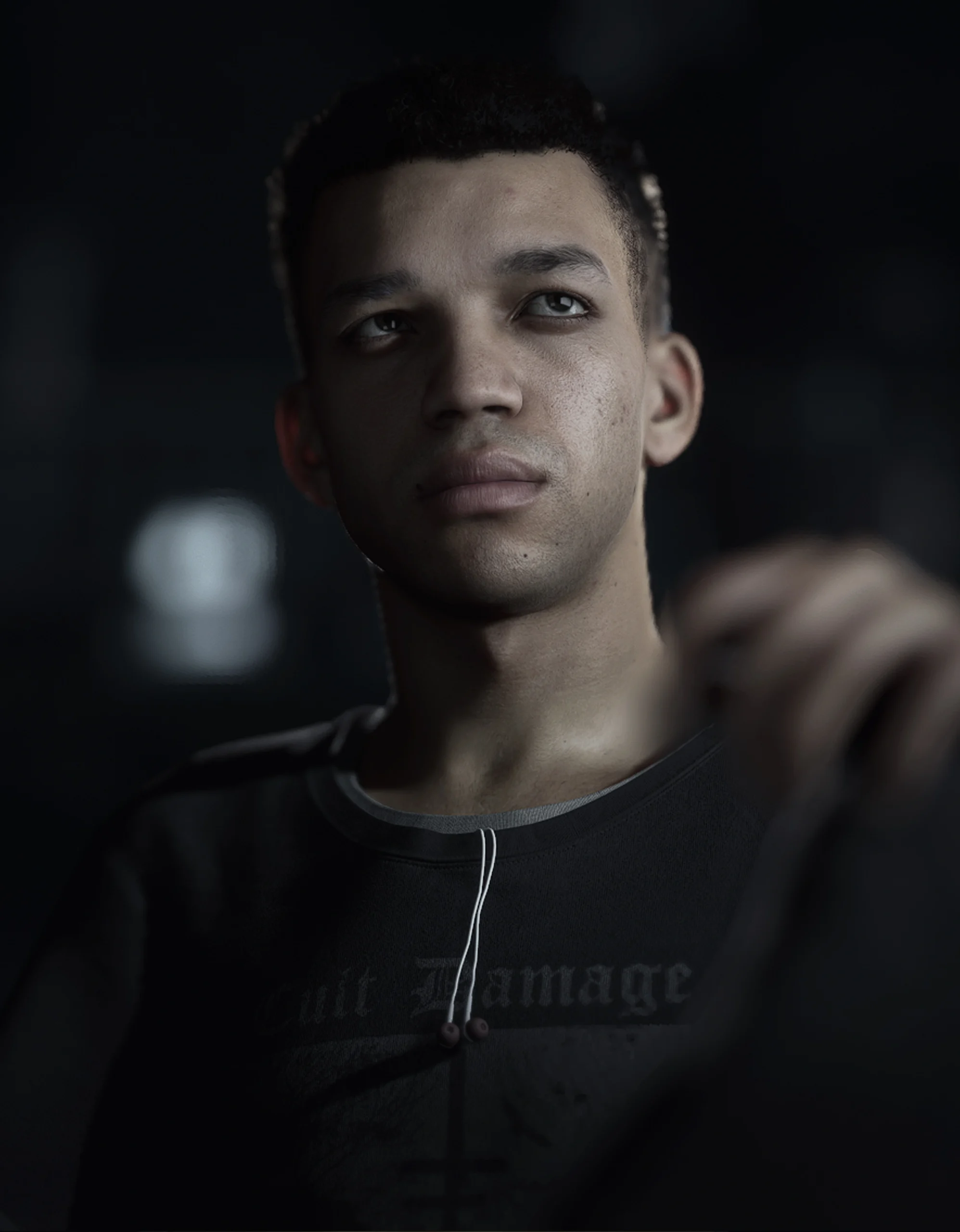
Played by Justice Smith, Ryan is a reserved camp counselor with an interest in scary stories. Unfortunately, his summer camp delivers a much more immersive horror experience than anyone requested.
Ryan has an important place in the game’s central mystery and relationships. Depending on player choices, his romantic interactions can involve Dylan or Kaitlyn. That gives a Black character room for attraction and uncertainty alongside the business of surviving the night.
Matt Taylor in Until Dawn
Role: Playable ensemble protagonist
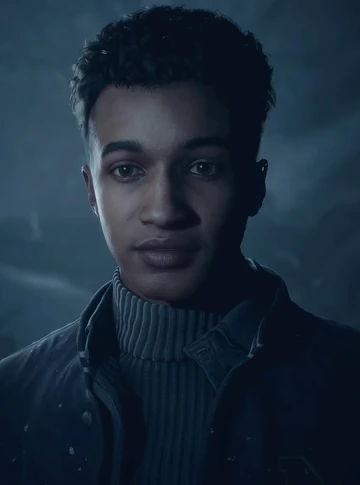
Matt, portrayed by Jordan Fisher, is one of the young adults caught in the nightmare on Blackwood Mountain. His relationship with Emily and his responses to the group’s conflicts help shape his part in the story.
His inclusion also raises a useful question about ensemble representation: how much narrative attention does each playable character receive? Being selectable matters, but so do meaningful choices and opportunities to influence the larger story.
Alex and Brad Smith, and Fliss DuBois, in Man of Medan
Role: Playable ensemble protagonists

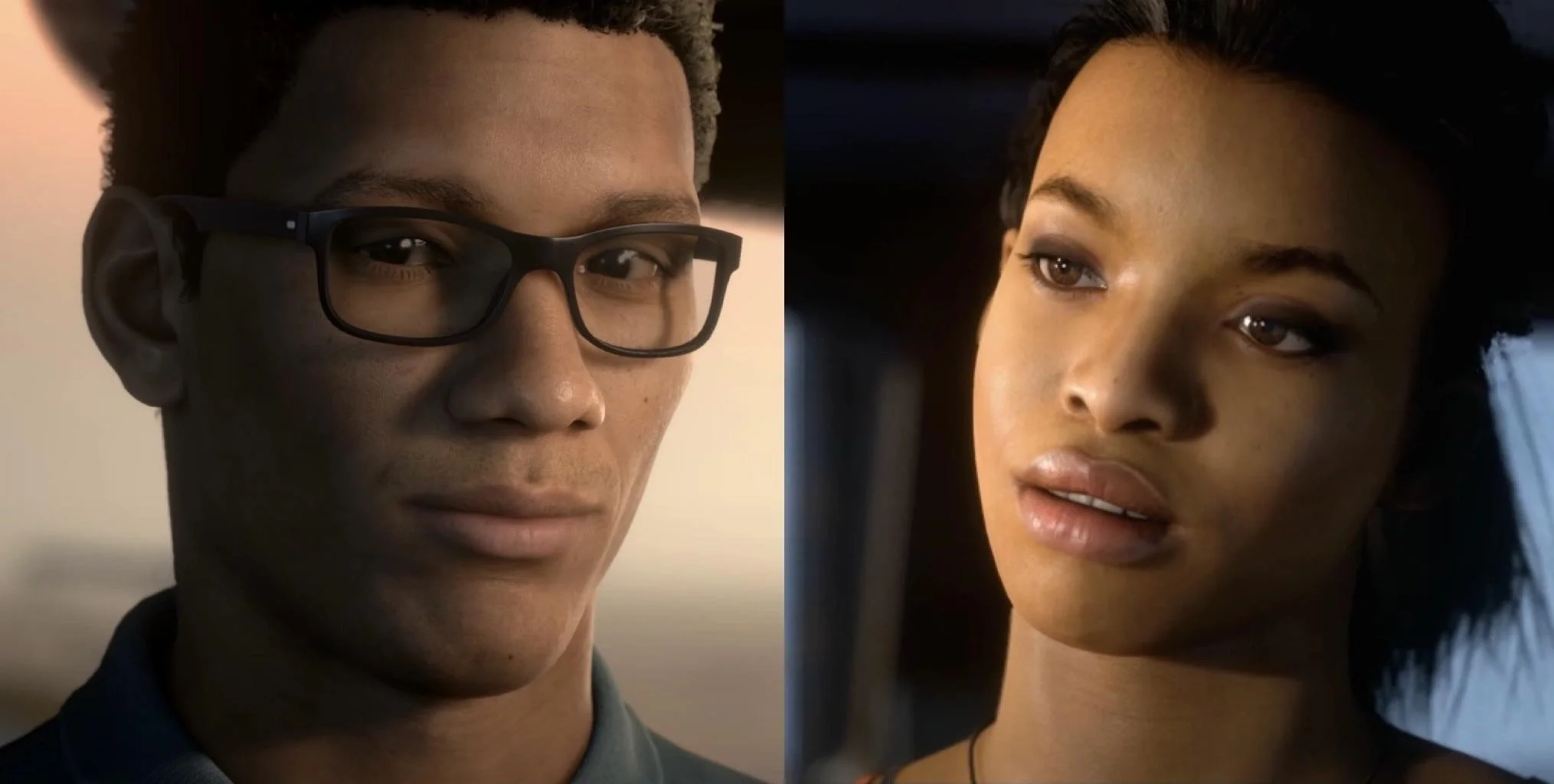
Brothers Alex and Brad join a diving excursion that goes horribly wrong, while Fliss captains the boat carrying the group. All three are playable members of the main cast.
Alex and Brad bring different temperaments to the crisis, and Fliss has practical authority rooted in her professional experience. Three Black characters in one horror ensemble allow for different personalities and relationships rather than making one person carry the entire burden of representation.
Nick Kay in House of Ashes
Role: Playable ensemble protagonist
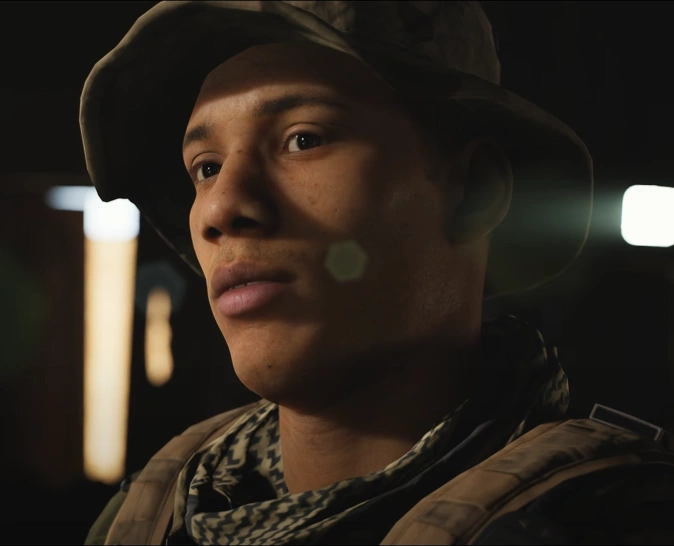
Nick is a U.S. Marine who becomes trapped underground with other soldiers during the Iraq War. What waits beneath the surface turns the mission into a creature-horror survival story.
His military experience does not erase his fear or emotional baggage. The game gives him personal conflict alongside the physical threat, making competence only one part of his characterization.
Jamie Tiergan and Mark Nestor in The Devil in Me
Role: Playable ensemble protagonists
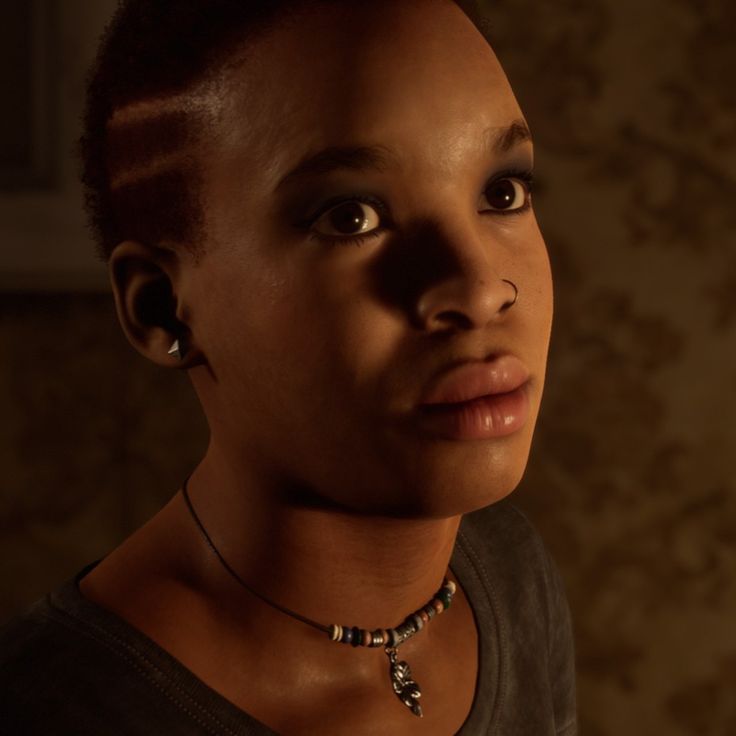
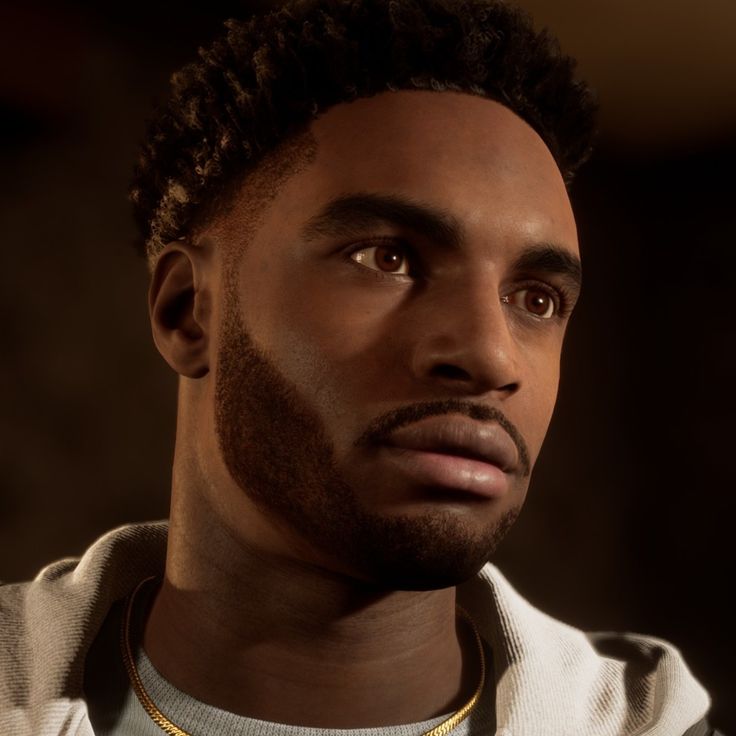
Jamie, a lighting technician, and Mark, a cameraman, are members of a documentary crew invited to a replica of H. H. Holmes’ infamous hotel. For the record, a suspicious invitation to a murder-themed property should probably trigger a very thorough contract review.
Both characters have skills that contribute to exploration and survival. Jamie’s possible relationship with Erin also brings a Black queer woman into the ensemble, giving her emotional stakes beyond the crew’s increasingly terrible assignment.
Brianna Young in Directive 8020
Role: Playable ensemble lead
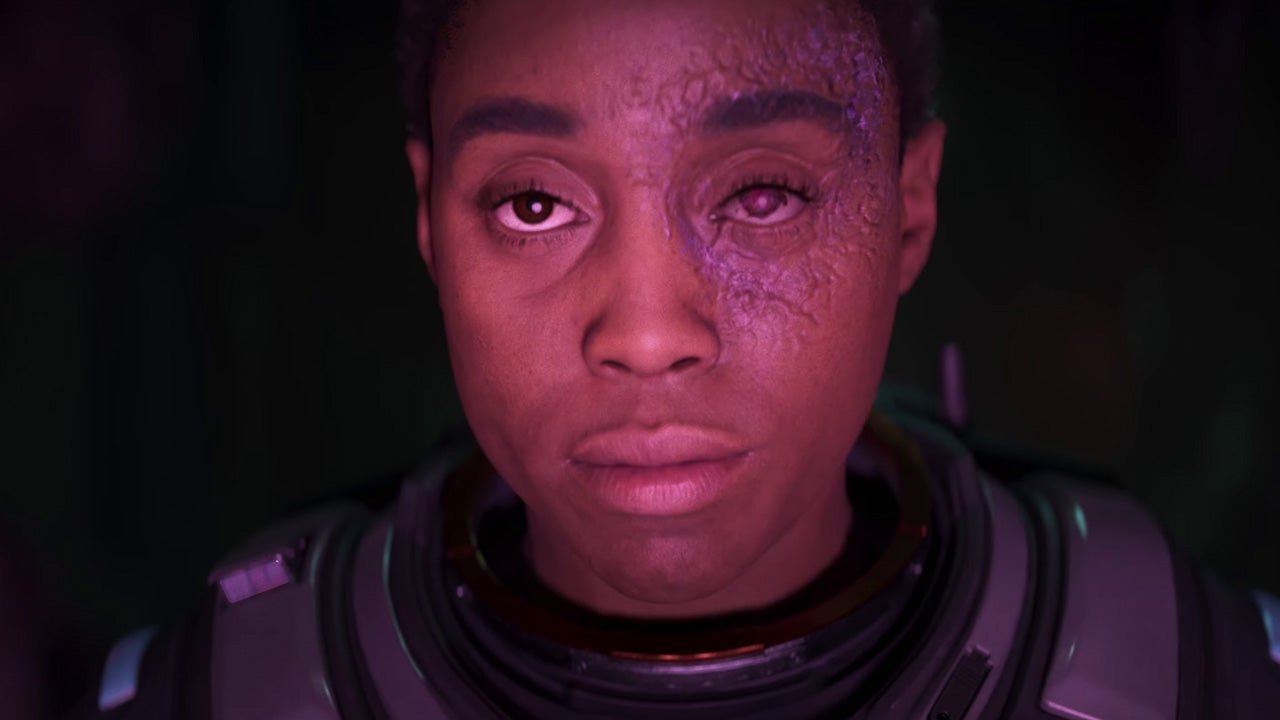
Portrayed by Lashana Lynch, Brianna Young is the pilot of the colony ship Cassiopeia in Directive 8020. The crew’s search for humanity’s future becomes a survival crisis involving an alien threat capable of imitating people.
Young brings a Black woman into the center of cinematic science-fiction horror. The premise turns trust into a survival mechanic: recognizing a familiar face does not necessarily mean recognizing who, or what, is standing in front of you.
Black characters have been investigating nightmares, battling the undead, and keeping their people alive across generations of horror games. Their stories give us courage, vulnerability, humor, and relationships worth fighting for. We want to see even more Black characters take the lead, with the depth and agency they deserve. And if we’re heading into another haunted building, somebody better bring a flashlight and an exit strategy.