
Spoiler warning: This article discusses major plot points and endings.
There is a particular satisfaction in watching a horror heroine survive. After the bodies drop, the escape routes disappear, and somebody makes the spectacularly bad decision to investigate that noise, she is still standing. Bruised, furious, possibly holding a weapon, but standing.
For Black women watching horror, that satisfaction comes with an additional question: When do we get to be her?
Black women have long appeared in the genre, but appearing in a horror movie and being allowed to carry its survival story are different things. The friend who offers advice, the woman whose death raises the stakes, and the supporting character who disappears from the action do not receive the same narrative investment as the heroine whose future matters.
Black final girls challenge those limits. Some defeat monsters. Others outsmart elaborate death traps or survive alongside people they love. Their stories give Black women room to be frightened, flawed, resourceful, tender, and angry without making any one quality their entire identity.
What Is a Final Girl?
Film scholar Carol J. Clover introduced the term “final girl” in her 1987 essay “Her Body, Himself: Gender in the Slasher Film,” later incorporated into Men, Women, and Chain Saws. The term describes the female survivor who becomes central to a slasher film’s concluding confrontation with its killer.
Think of the familiar setup: A group encounters a murderer, the group gets smaller, and one woman remains to confront the threat.
The classic version often favors an observant, comparatively restrained heroine. Over time, however, audiences have applied the term more broadly to women who survive supernatural horror, creature features, apocalyptic stories, and psychological nightmares.
That broader usage matters here. A woman who survives a haunted house with her husband is not a final girl in precisely the same sense as a lone slasher survivor. Neither is every surviving supporting character automatically the film’s central heroine. This guide includes both recognizable final girls and women whose stories expand the tradition.
Jeryline in Tales from the Crypt Presents: Demon Knight (1995)
Played by Jada Pinkett Smith
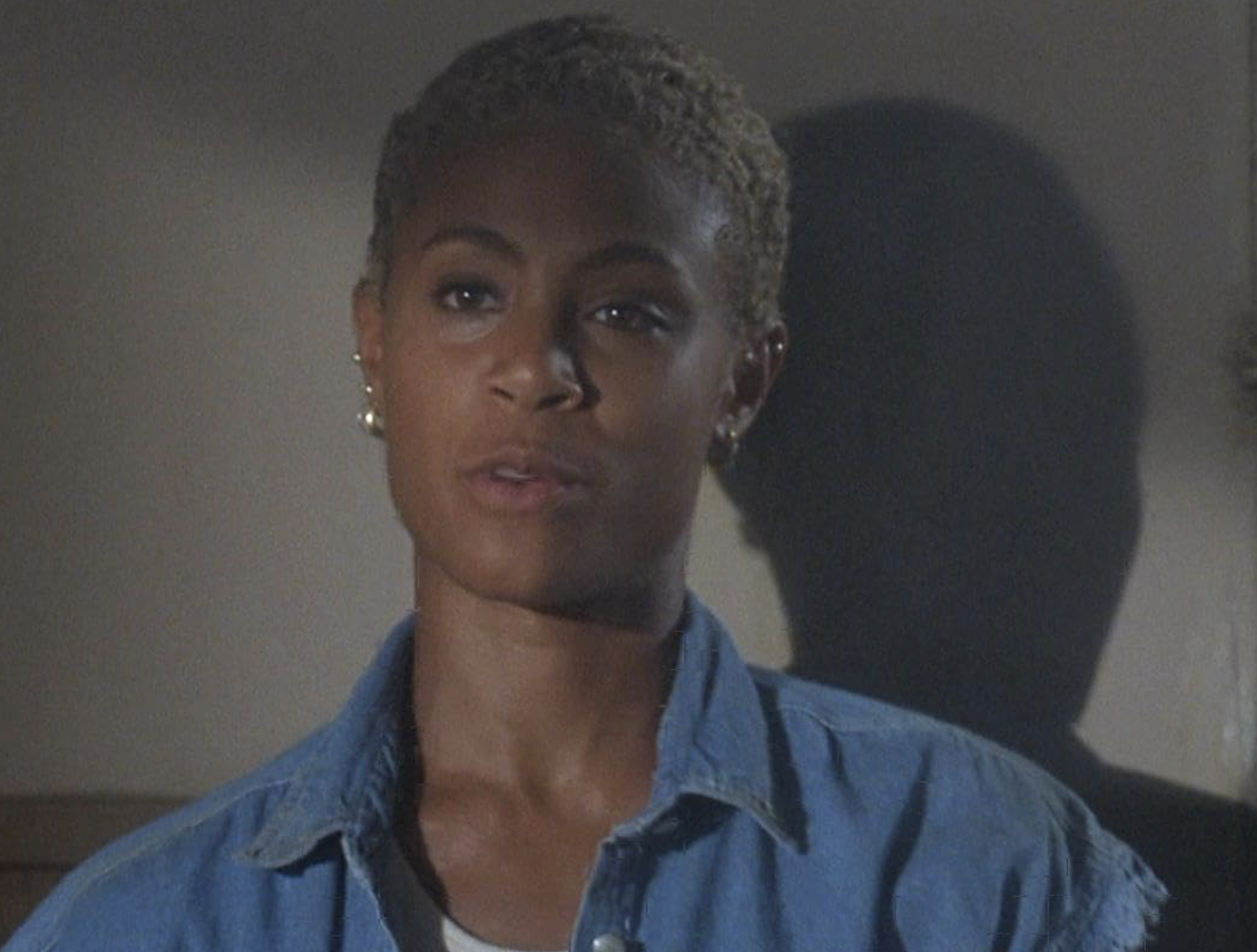
Before discussing Black final girls, we need to put some respect on Jeryline’s name.
In Ernest Dickerson’s Demon Knight, she is a young woman on work release who becomes caught in a supernatural siege. Rather than remaining an expendable supporting character, she emerges as the survivor entrusted with a responsibility that extends far beyond the building where the nightmare begins. Jeryline’s importance lies partly in her imperfect past. Horror has often linked a heroine’s survival to an implied moral purity. Her story also gives a Black woman a future within the film’s mythology. Surviving is the beginning of her larger role.
Karla Wilson in I Still Know What You Did Last Summer (1998)
Played by Brandy
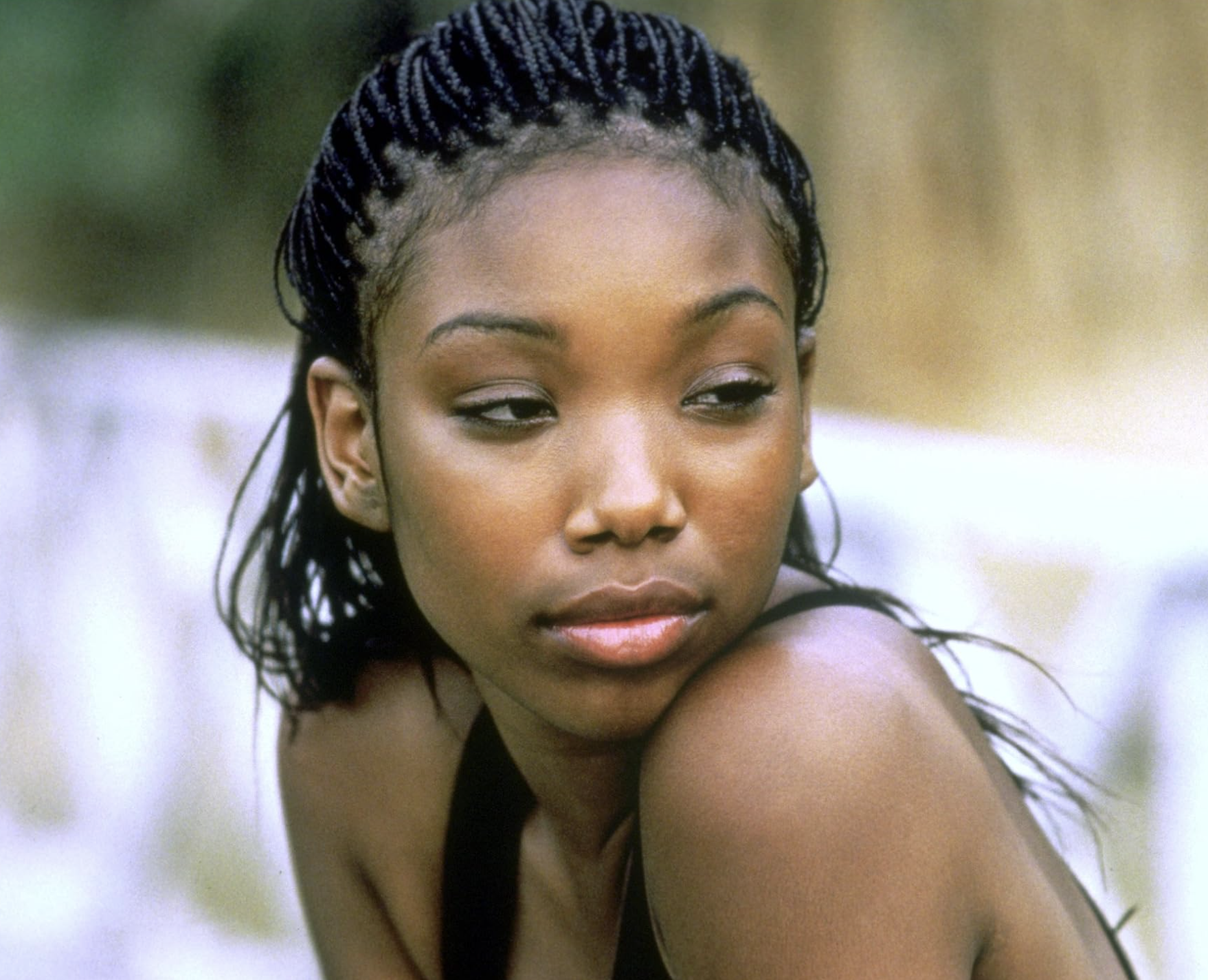
A tropical vacation with Brandy sounds delightful. A tropical vacation with Brandy and a hook-wielding killer requires a refund.
Karla travels to the Bahamas with her friends and survives the resulting massacre, eventually awaiting rescue alongside Julie and Ray. Julie remains the franchise’s central heroine, making Karla a fellow survivor rather than the film’s sole final girl. That distinction does not diminish her significance. Karla gets to be sociable, outspoken, romantically involved, and loyal without having those qualities function as an automatic death sentence. Her survival makes room for friendship within the final girl tradition. The white heroine does not have to lose her Black friend for the story to establish that the danger is serious. Karla also returned in the credits scene of I Know What You Did Last Summer (2025), giving her survival a place in the franchise’s continuing story.
Selena in 28 Days Later (2002)
Played by Naomie Harris
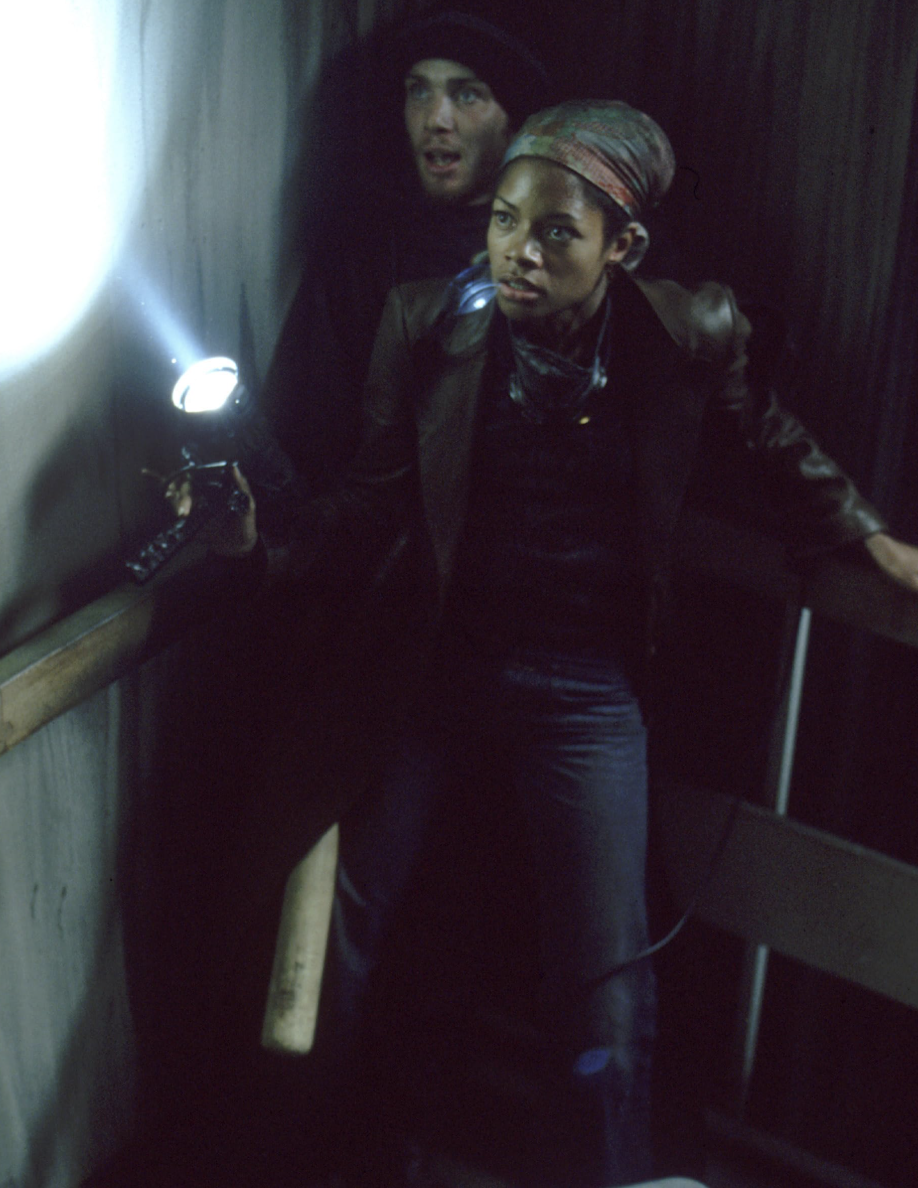
When Jim enters the devastated world of 28 Days Later, Selena already understands its terrifying rules. She is decisive, practical, and willing to make choices that someone new to the outbreak can barely comprehend. Selena challenges the expectation that a horror heroine must begin helpless and gradually acquire competence. Yet reading her only as a hardened survivor misses the emotional movement of her story. Her growing connection with Jim and Hannah allows care to become part of survival rather than an obstacle to it.
That is especially meaningful for a Black female character. Competence can easily become another demand that she remain invulnerable, always prepared to protect everyone else. Selena’s vulnerability gives her humanity beyond her usefulness.
Alexa “Lex” Woods in Alien vs. Predator (2004)
Played by Sanaa Lathan
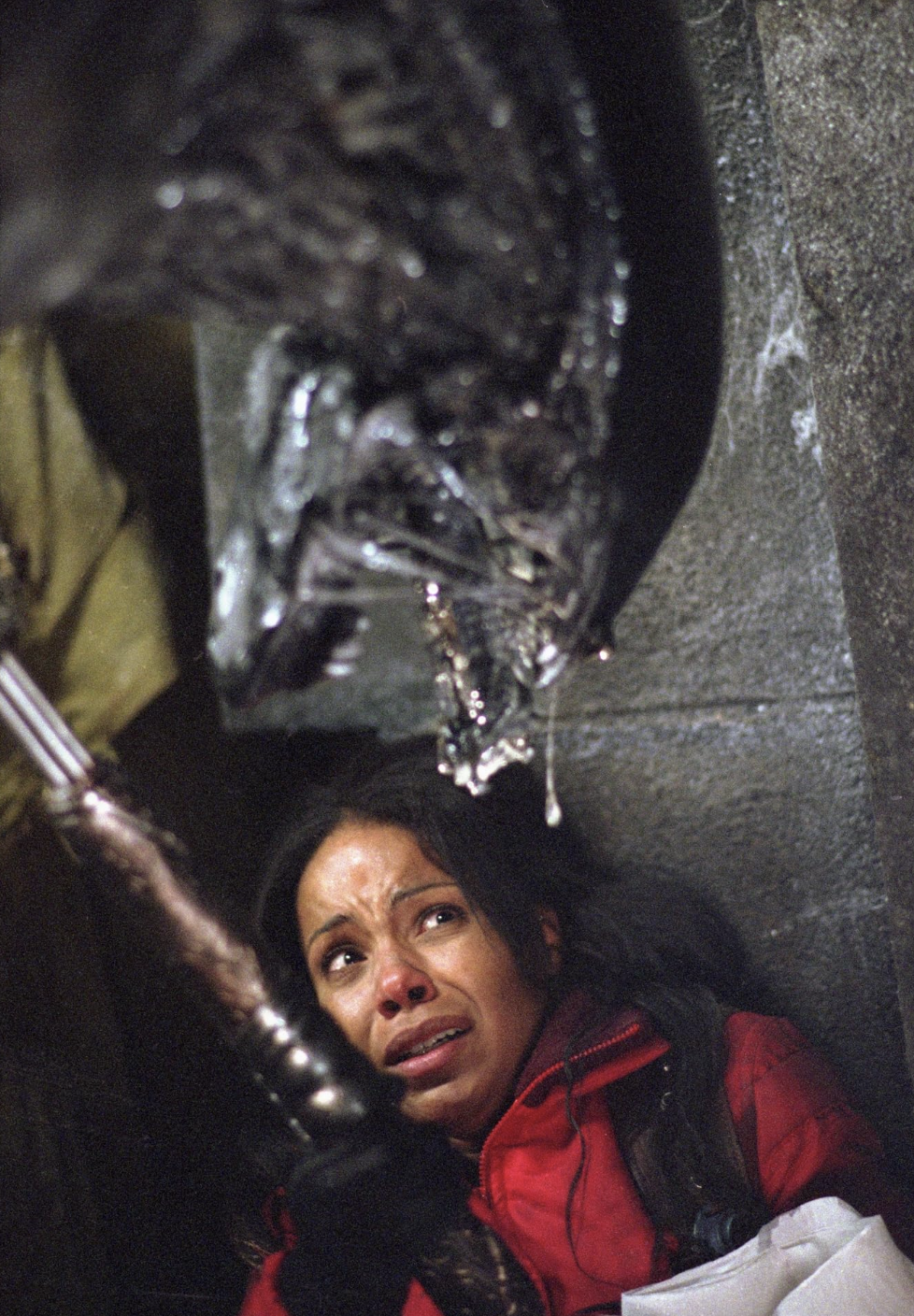
Some final girls confront one killer. Lex gets caught between two extraterrestrial species with absolutely no interest in respecting her personal space.
An experienced expedition guide, she survives the Antarctic nightmare and fights alongside a Predator against the Alien Queen. Her abilities make her an essential participant in the confrontation. Lex brings professional expertise into a franchise crossover built around spectacular creatures. She assesses danger, adapts, and earns recognition through her actions.
Her story makes a useful point about representation: A Black woman can occupy the center of a major science fiction horror adventure without the screenplay making her presence an issue that requires explanation.
Zoey Davis in Escape Room (2019)
Played by Taylor Russell
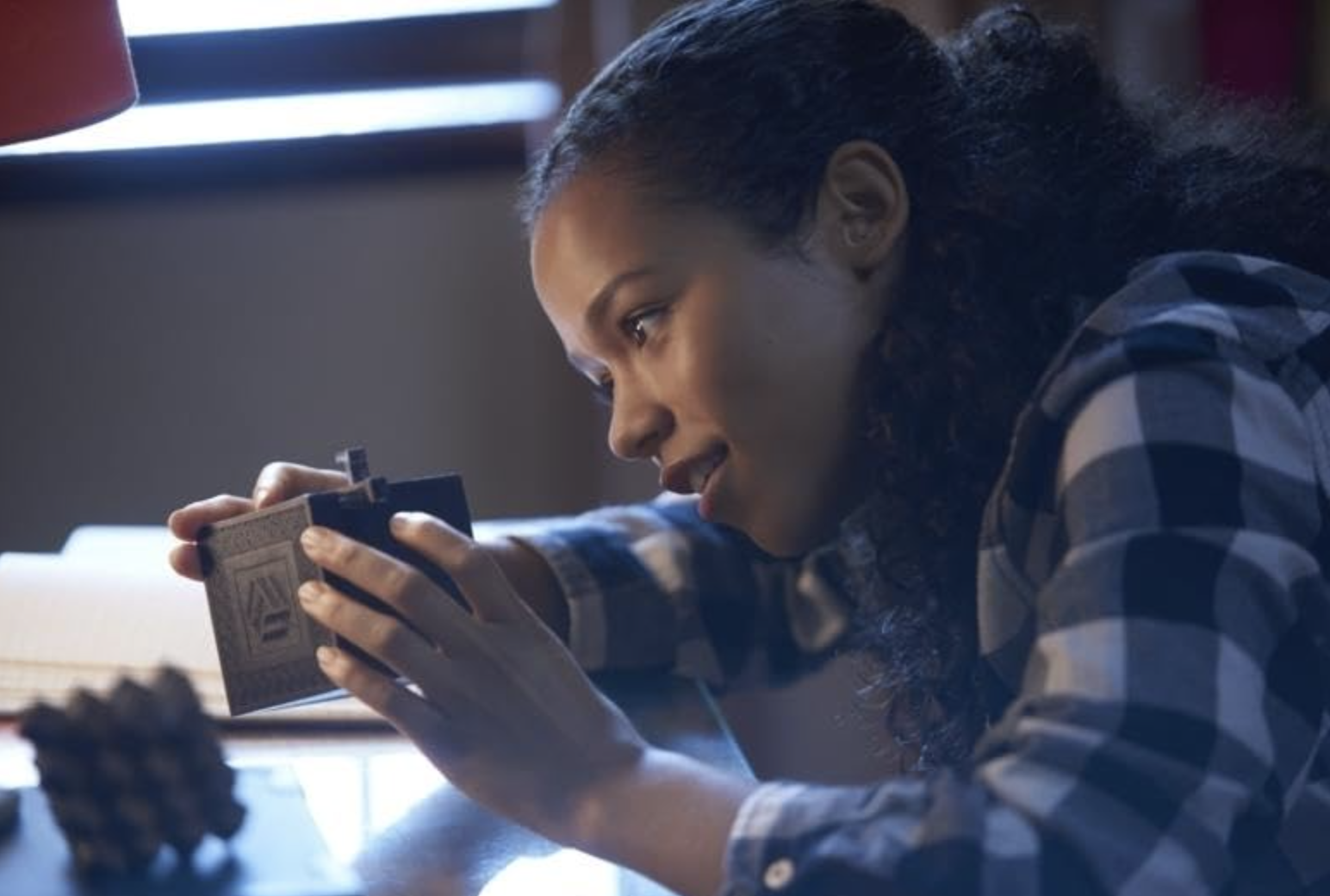
Zoey’s greatest weapon is her ability to notice what others miss.
Thrown into a succession of lethal puzzles, she uses observation and reasoning to resist a system designed to turn human suffering into entertainment. She survives and returns to save Ben from the Gamemaster. Zoey expands the visual vocabulary of the final girl. Quietness does not make her passive, and anxiety does not erase her intelligence.
Her approach also resists the game’s underlying logic. The people running it treat participants as competitors whose deaths are part of the spectacle. Zoey continues to value another person’s survival. For Black girls who rarely see themselves portrayed as the reserved, intellectually gifted center of a genre film, that characterization offers something specific. There is more than one way to command the screen.
Adelaide Wilson in Us (2019)
Played by Lupita Nyong’o
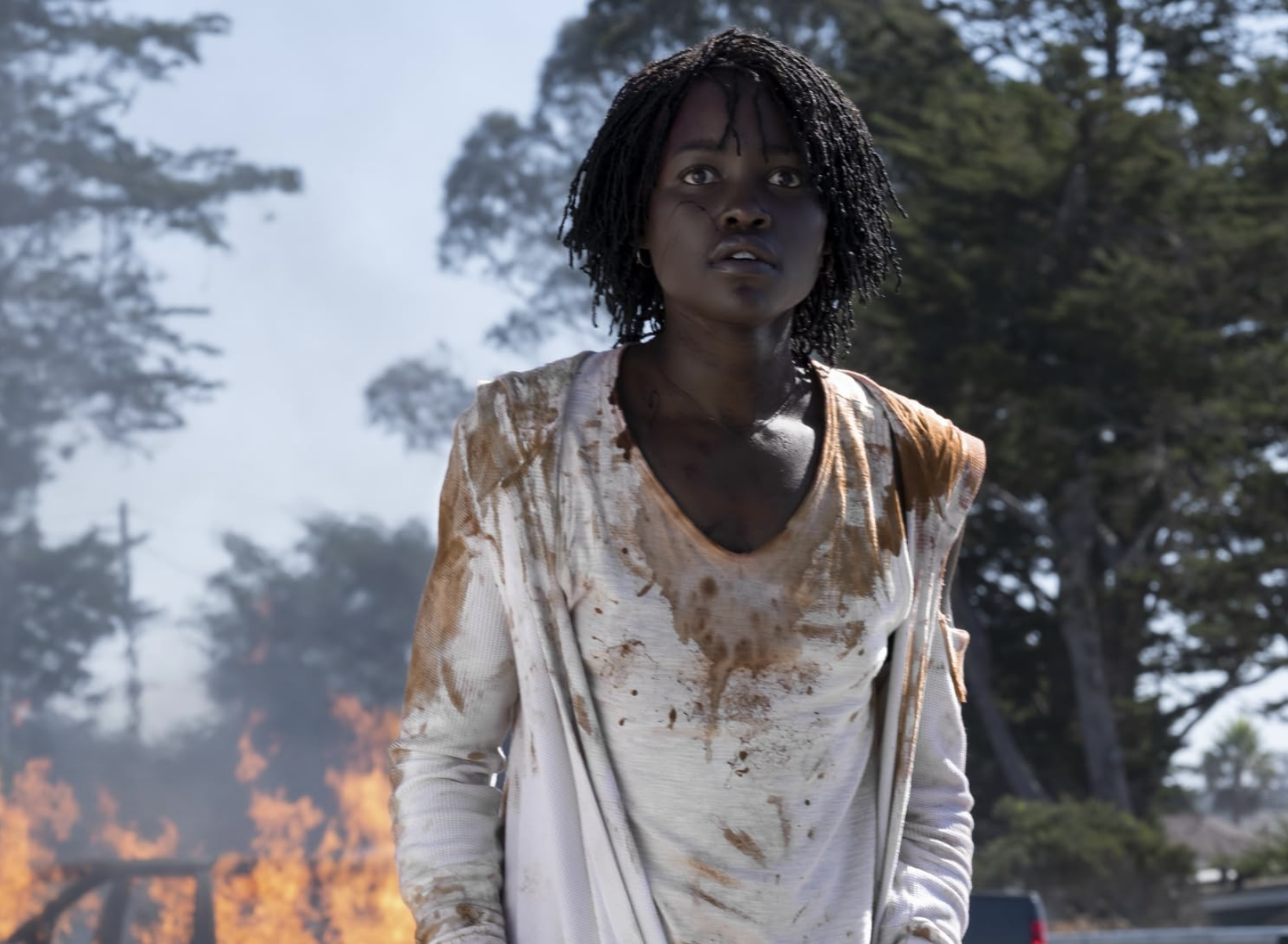
Adelaide protects her family, confronts Red, and survives. Then Jordan Peele makes us reconsider the story we have just watched.
The ending reveals that the woman living as Adelaide began life among the Tethered and switched places with her counterpart as a child. The survivor and the apparent monster share a history that unsettles those categories. Adelaide brings moral ambiguity into this conversation. We can recognize her love for her children while questioning the conditions that made her life possible. Nyong’o’s dual performance also allows Black womanhood to contain both sides of the confrontation. Neither character exists merely to explain or support someone else’s journey.
Tess in Barbarian (2022)
Played by Georgina Campbell
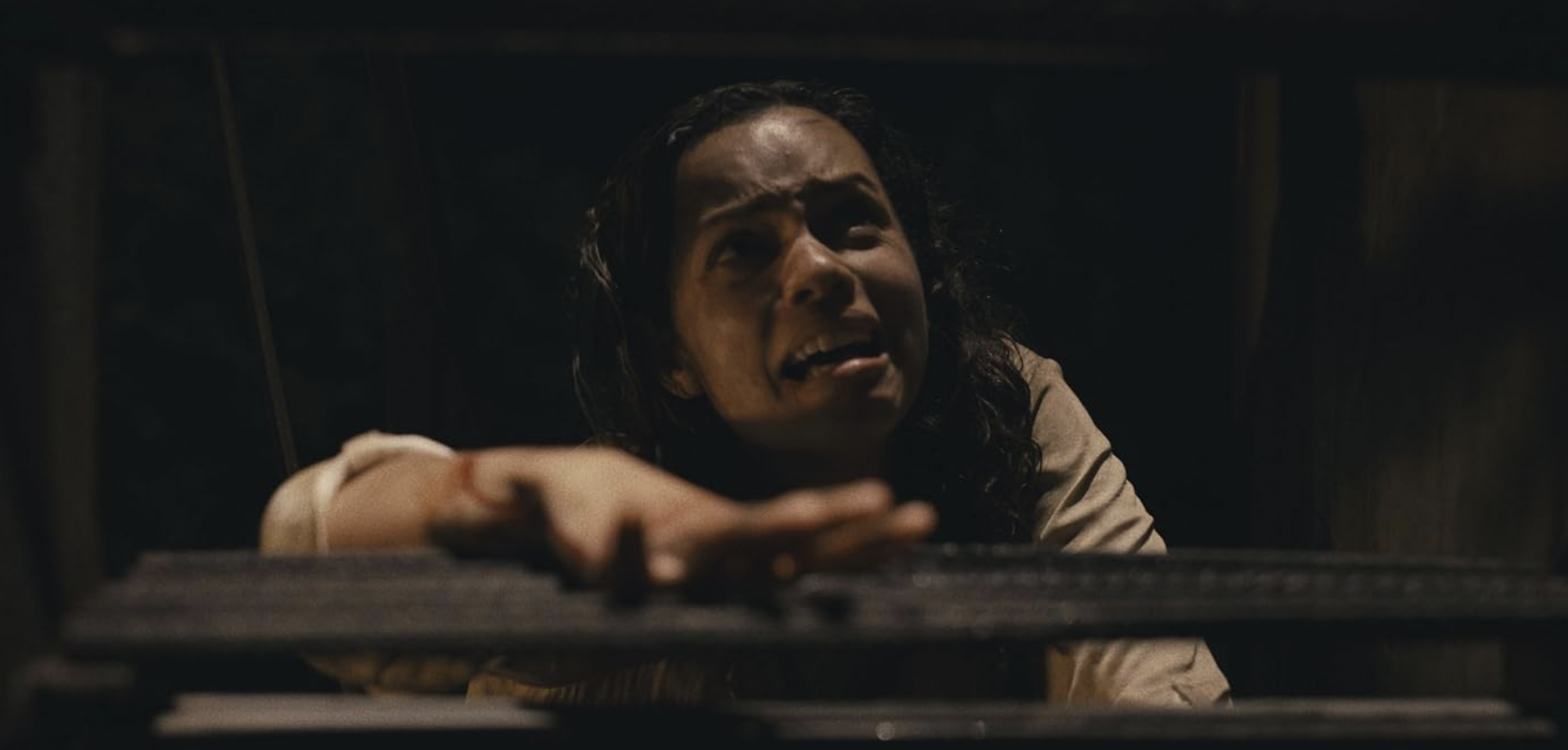
Tess begins Barbarian facing a recognizable dilemma: Her rental is double-booked, a strange man is already inside, and she has to assess whether staying is safe. The danger eventually extends underground, while the police dismiss her attempt to get help. She survives the final confrontation and walks away injured. Tess’s story invites a reading of survival shaped by who receives credibility. Recognizing danger is useful only if other people take that recognition seriously.
That tension makes her a compelling final girl. Her survival does not require us to pretend every decision was ideal. It asks us to recognize the pressures under which those decisions occurred.
Mindy Meeks-Martin in Scream (2022) and Scream VI (2023)
Played by Jasmin Savoy Brown
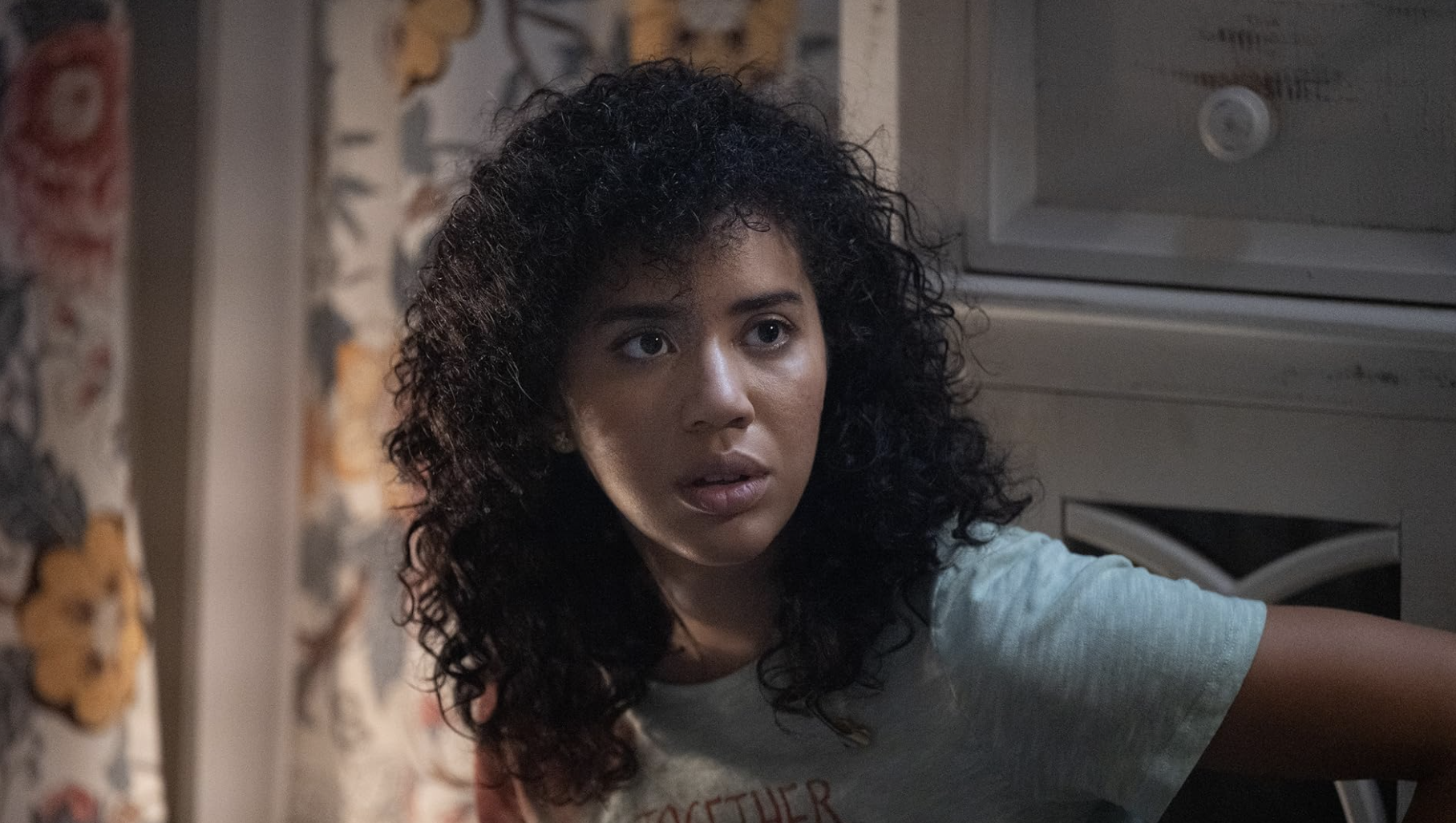
Mindy knows the horror rules. Unfortunately, Ghostface does not consider film literacy a protective shield.
A queer Black horror enthusiast, she survives attacks in both films. She is part of a continuing ensemble rather than the sole heroine who defeats the killer, so describing her as a surviving member of the final girl tradition is more precise than declaring her either film’s central final girl. Mindy brings fandom directly into the story. She gets to analyze the genre, joke about its patterns, experience desire, and suffer loss.
Her significance also extends beyond identity alone. Horror knowledge does not grant her control over what happens. She can understand the conventions and still be vulnerable to them, a particularly relatable nightmare for anyone who has ever shouted instructions at a screen.
Let Black Final Girls Have a Life After the Credits
Celebrating Black final girls should mean more than applauding their ability to endure punishment.
These characters deserve believable relationships, complicated motives, and stories interested in what survival costs them. They deserve to be scared without becoming weak, capable without becoming invulnerable, and flawed without being treated as disposable.
The most exciting thing about this tradition is how much room remains within it. A Black final girl can be a scientist, a mother, a student, a horror nerd, or a woman whose past refuses to stay buried.
And when the nightmare ends, she deserves more than one last relieved breath.