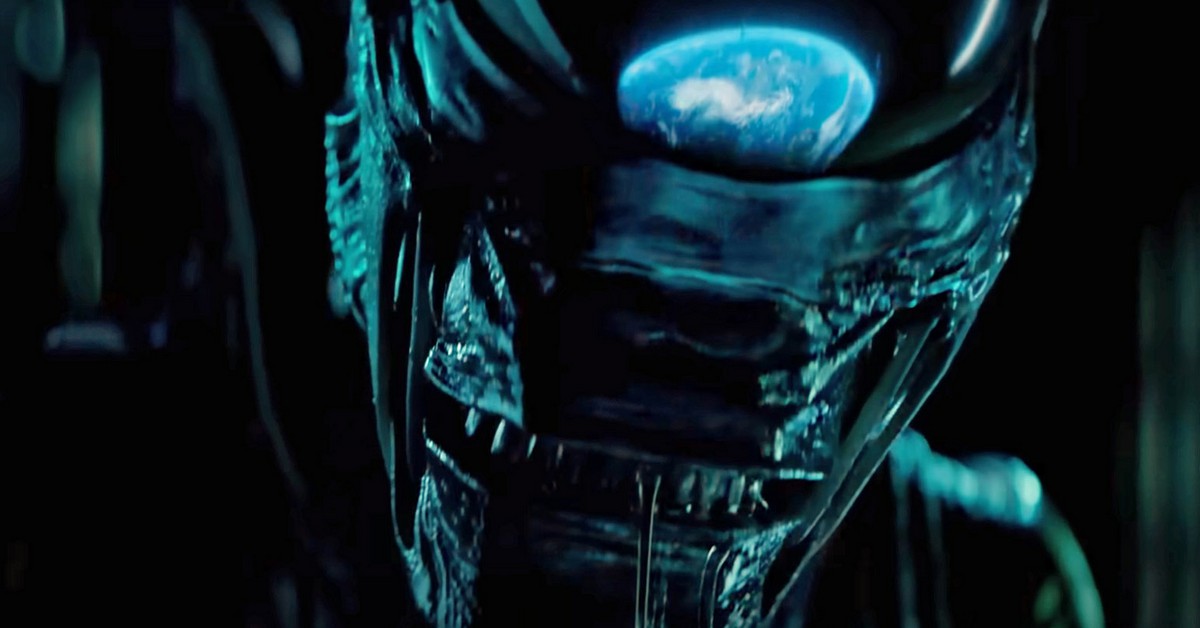

Alien: Earth has premiered, and its episodes are already overflowingly rich with Easter Eggs and subtle nods to previous entries in the franchise and other related (or vaguely related) intellectual properties. These range from memorable electronic beeps and fading titles straight out of the Nostromo, to uncanny visual echoes of the original ship’s interior, and other subtle details paying homage to the original film and its sequels.
But these are so much more than simple fan service. These details enrich the narrative and help build a world where corporate ambition meets mythology and horror, while still grounding the viewers in somewhat familiar territory. The results do feel like both the tribute and reinvention, and with that in mind, here are the 5 Easter Eggs you may have missed in Alien: Earth.
The Iconic Opening

Alien: Earth isn’t just filled with Easter Eggs; it opens up with quite a few of them. The show starts with an iconic electronic beep and unintelligible text seen as a reflection on the emergency helmet, before giving us a look into the MU-TH-UR (commonly referred to as “Mother”) AI mainframe, all accompanied by a well-known green front providing viewers with new information.
Afterwards, we’re greeted with the opening of the hypersleep pods, just like we were on the Nostromo in 1979. Even the USCSS Maginot’s interior and mess hall look incredibly similar to that of the Nostromo, which isn’t all that surprising, considering that Alien: Earth starts two years prior to the events of 1979’s Alien.
The Cat
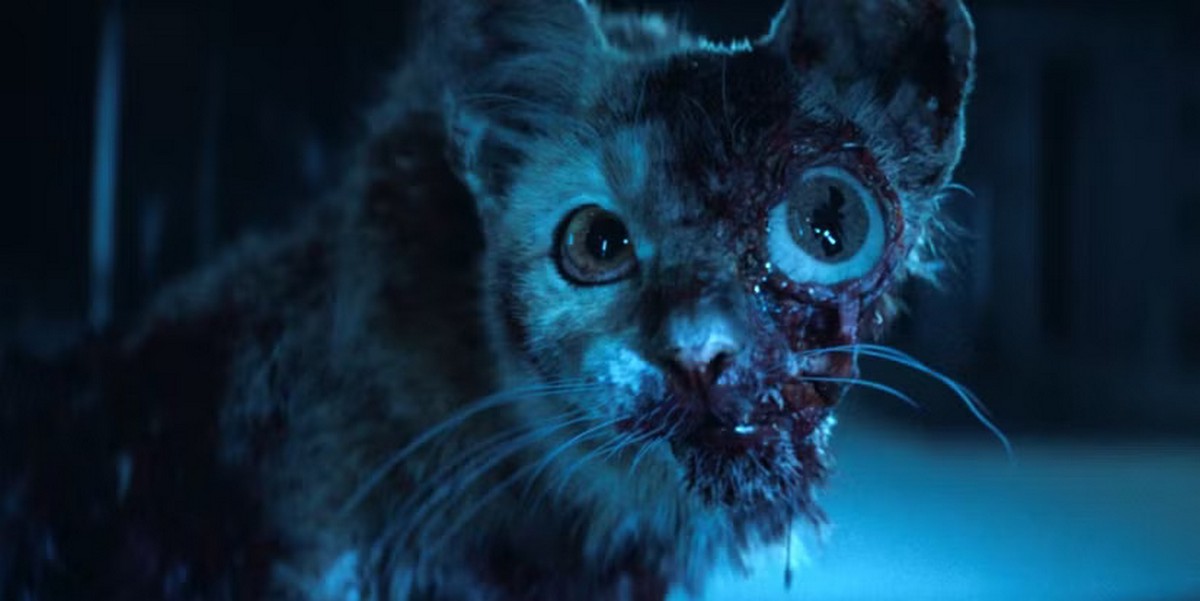
Anyone who has seen the original Alien knows that Jones, better known as Jonesy, is the film’s fuzzy MVP, and he’s one of the film’s two surviving characters—the other being Sigourney Weaver’s iconic Ellen Ripley. The two entered hypersleep in their escape shuttle and were picked up 57 years later by a salvage crew.
Because Jonesy is such an iconic Alien character, it was only natural for his doppelganger to appear in the new series. However, if you thought that the new cat would share Jonesy’s fate and no harm would befall it, you were wrong. The horrifying scene with the cat reveals that one of its eyes was replaced by T. Ocellus, a parasitic eyeball-octopus hybrid that replaces one of its hosts’ eyes as it takes over their brain.
Will I Dream
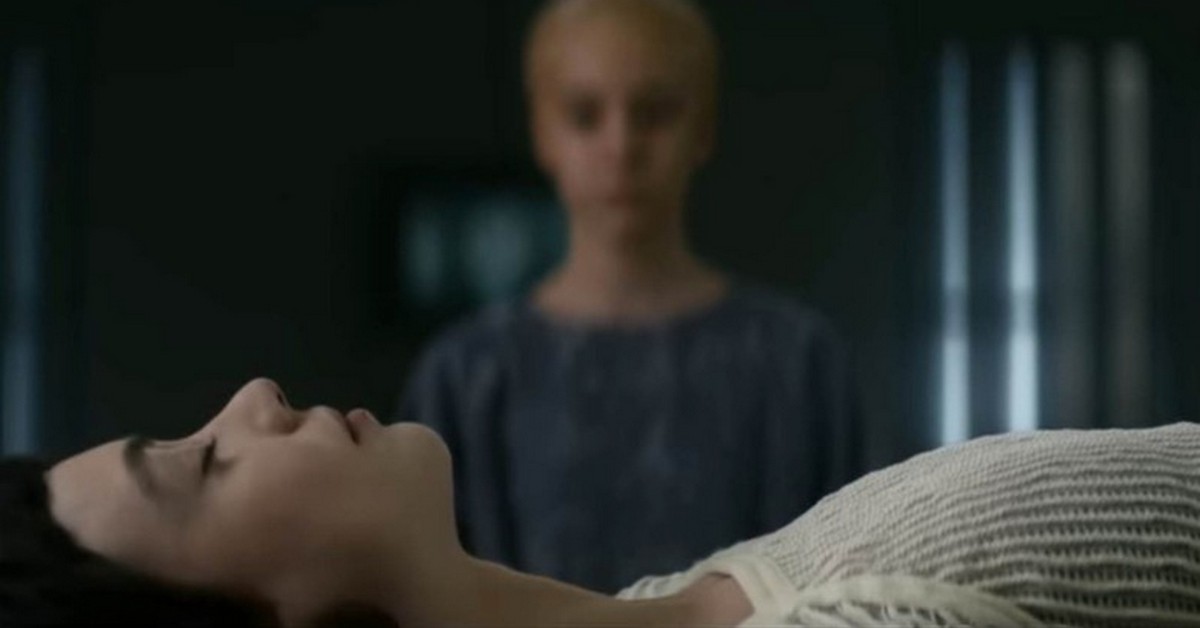
In the first episode, Marcy, who is about to have her mind transferred into a synthetic body of Wendy, asks if the procedure will be painful and whether she will dream. This feels like a deliberate call back to Newt, a little girl from 1986’s Aliens movie, who asks Ripley, “Can I dream?” as she prepares for hypersleep.
However, in Alien: Earth, Marcy’s “will” shifts the question from reassurance to questioning the very nature of being and what life would look like for her as a transhuman once her mind is transferred into a synthetic body owned by the Prodigy corporation.
Peter Pan References
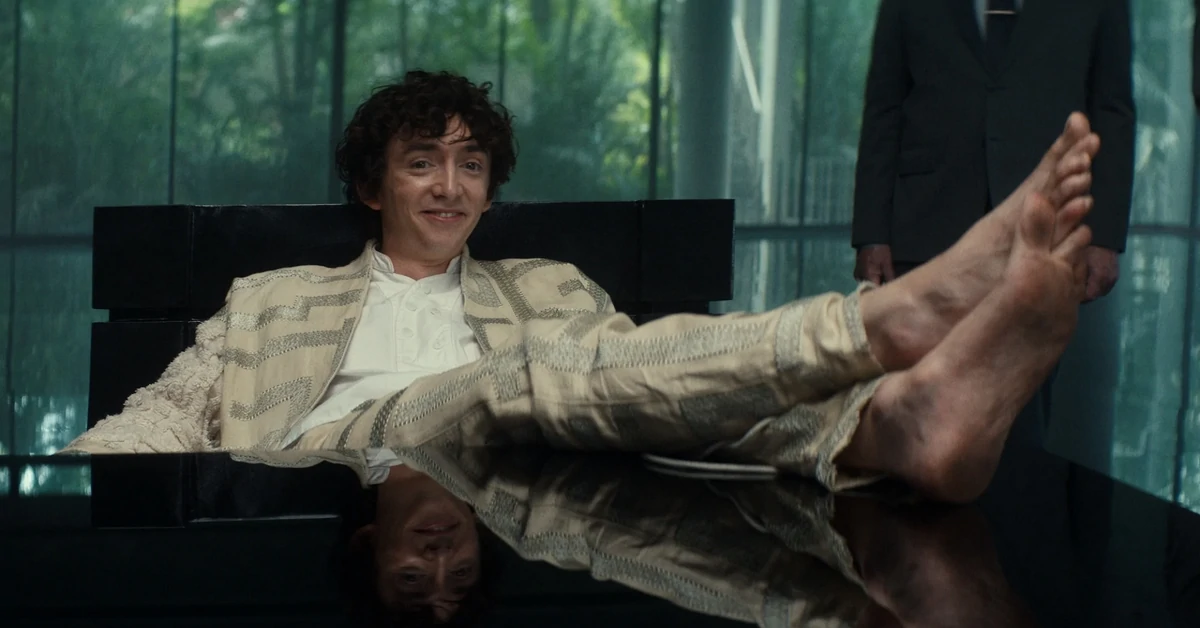
Alien: Earth is filled with different references to Disney’s animated Peter Pan from 1953, and it even plays on the screen above Marcy as her consciousness is transferred into Wendy, her new synthetic body. The name Wendy is, of course, another reference to Peter Pan, with Wendy Darling being one of the main characters of the story.

In fact, when first speaking to Wendy, Dame Sylvia uses the phrase “Wendy, darling,” which is an obvious nod to James Matthew Barrie’s story and Disney’s animated adaptation that’s been sprinkled throughout the series. Other hybrids also carry the names of Barrie’s Lost Boys, including Slightly, Smee, Nibs, Curly, and Tootles. Interestingly enough, Marcy chose the name of Wendy herself, while the rest of the Lost Boys were named by Boy Kavalier.
The Blue Mist
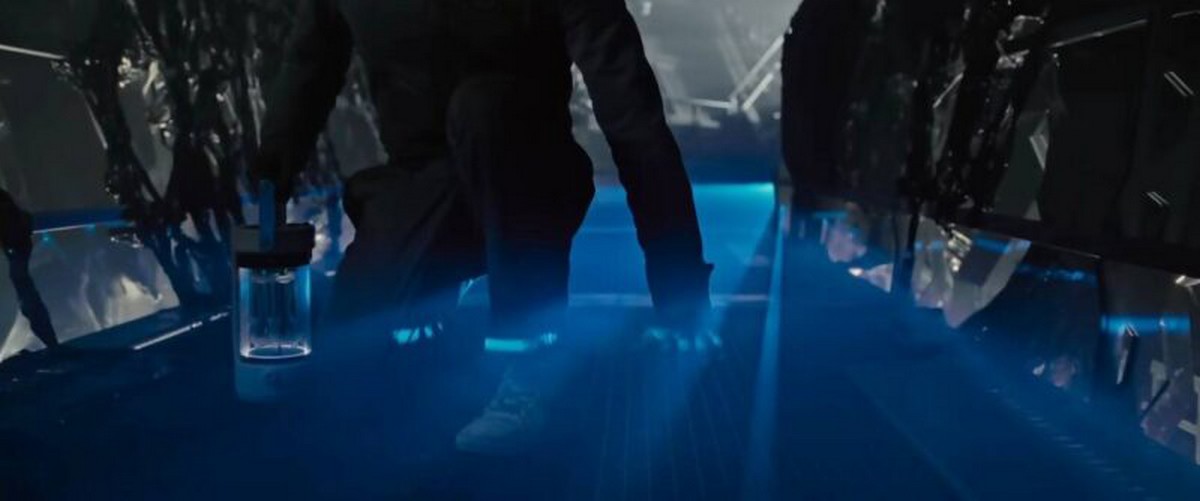
A clutch of eggs on the Magnot are bathed in an eerie blue light in pretty much the same way they were on the Nostromo. While Kane from the original movie referred to the light as a blue mist, the effect is actually achieved by shining a blue laser light through mist or smoke, and it was also seen in Alien: Romulus.
Sadly, the franchise never officially explained what the blue mist is, and what it does, but it seems to act as some sort of membrane that breaks when someone interrupts it, triggering the eggs to open up and facehuggers to emerge. It admittedly makes very little sense; anyone transporting the eggs would do anything to keep them from “hatching,” but it adds to the overall sci-fi aesthetics of the series.
Final Thoughts
Alien: Earth is filled with Easter Eggs and references to previous Alien films and properties, as well as other properties owned by Disney. Sadly, there are too many of them to list here, so we suggest you watch the series for yourself, accompanied by the original movie and all its canon and non-canon sequels. They’re all great. Except Alien vs. Predator.