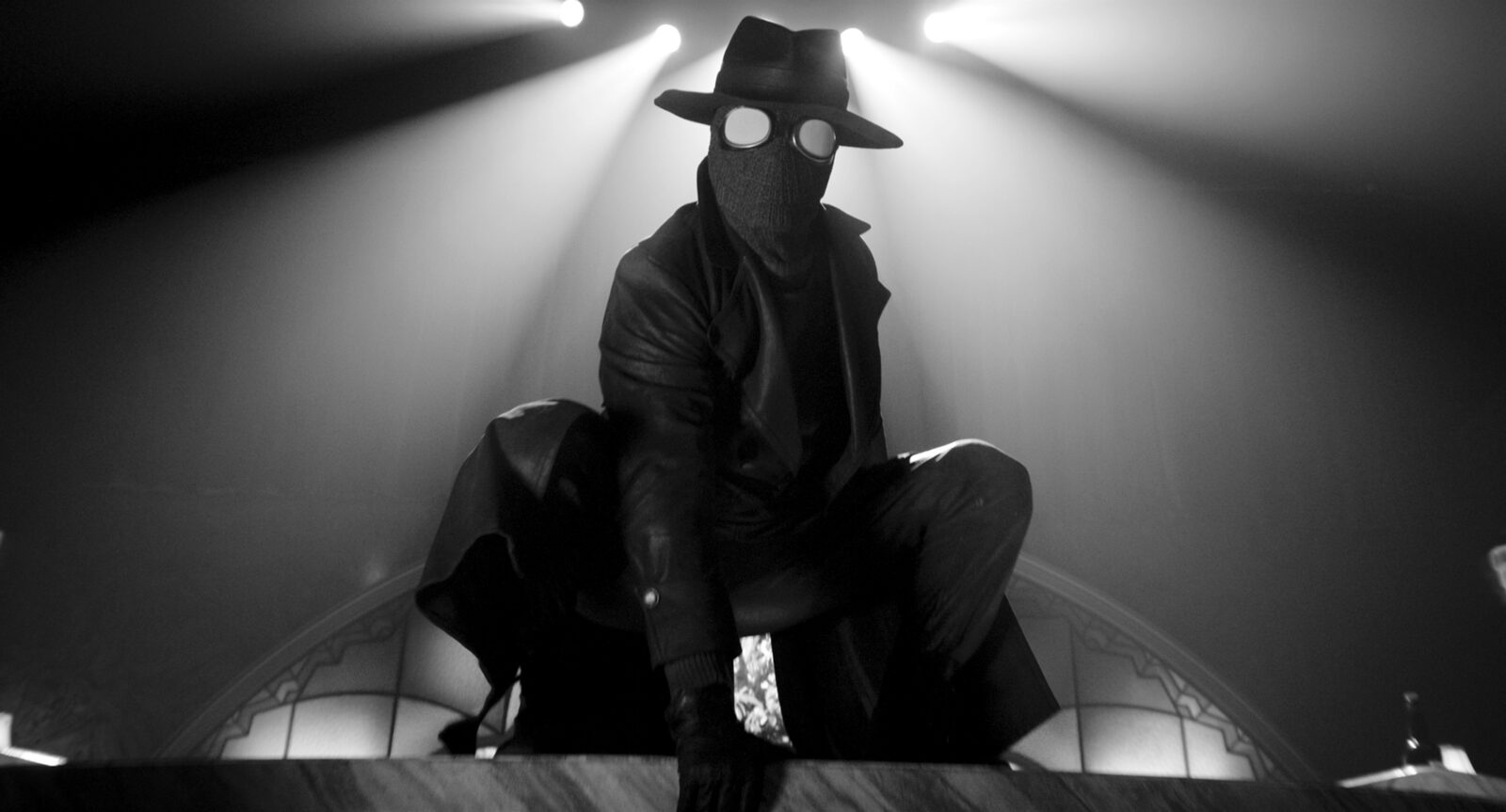

In 2018’s Spider-Man: Into the Spider-Verse, “Spider-Man Noir” was a variant of Peter Parker from 1930s New York. The black-and-white character, voiced by the legendary Nicolas Cage, was the archetypal brooding gumshoe, and he couldn’t be more different than the others.
If you’re curious what being in his dimension would look like, Spider-Verse directors Phil Lord and Chris Miller have you covered. Their new Prime Video series, Spider-Noir, executive produced by the creative duo, strays from the usual coming-of-age tale we associate with the character and instead delivers a unique take on the aging, web-slinging superhero.
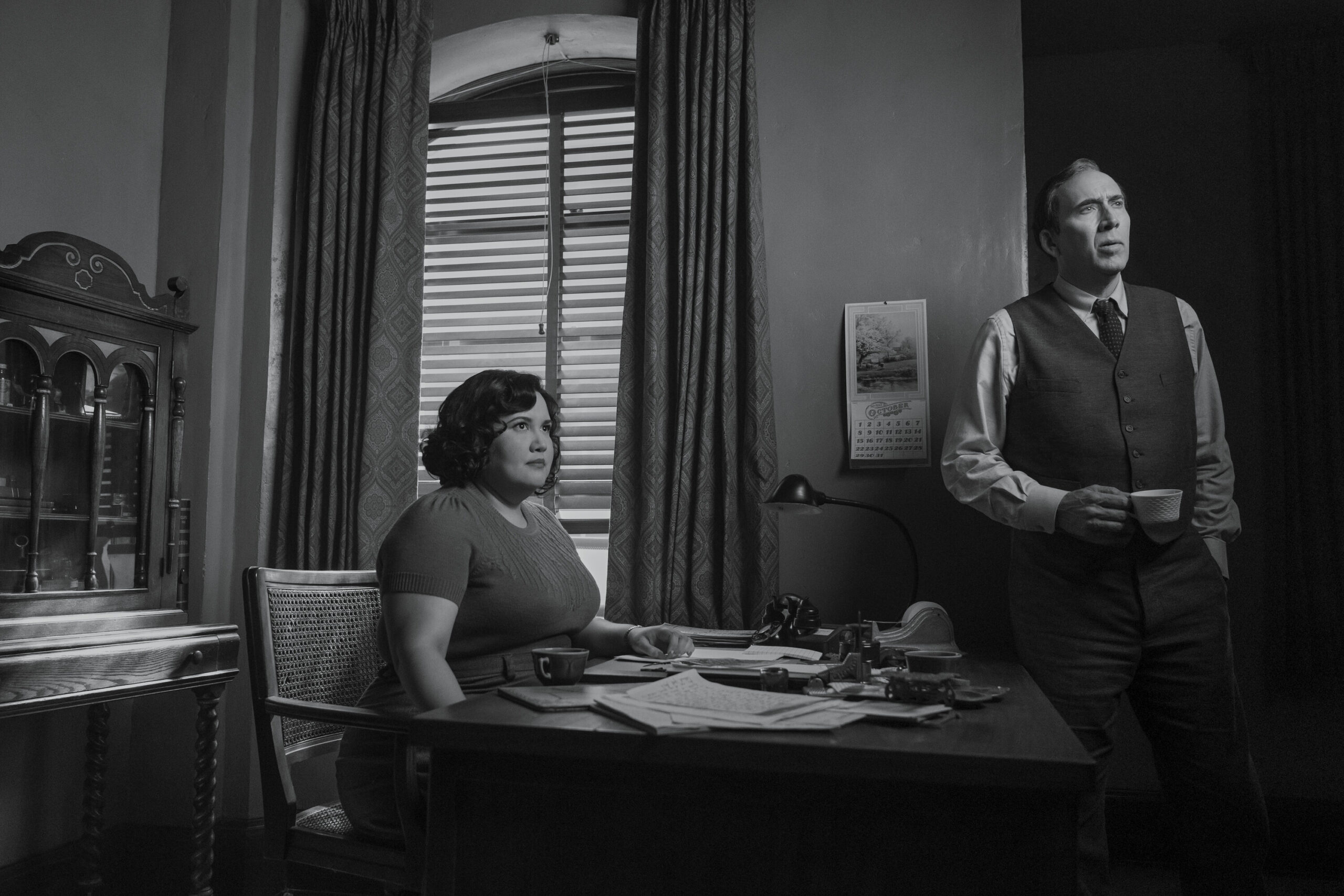
Nicolas Cage reprises the role in the reimagined live-action Depression-era series co-showrun by Oren Uziel (Mortal Kombat) and Steve Lightfoot (Hannibal, The Punisher). Well, not exactly. We meet him as Ben Reilly, aka The Spider, a classic hapless private investigator who’s become jaded and drinks his sorrows away. Ben isn’t the “sometimes I let matches burn down to my fingertips just to feel something” type, like the character in Into the Spider-Verse. He’s just a disillusioned PI who’s trying to get by.
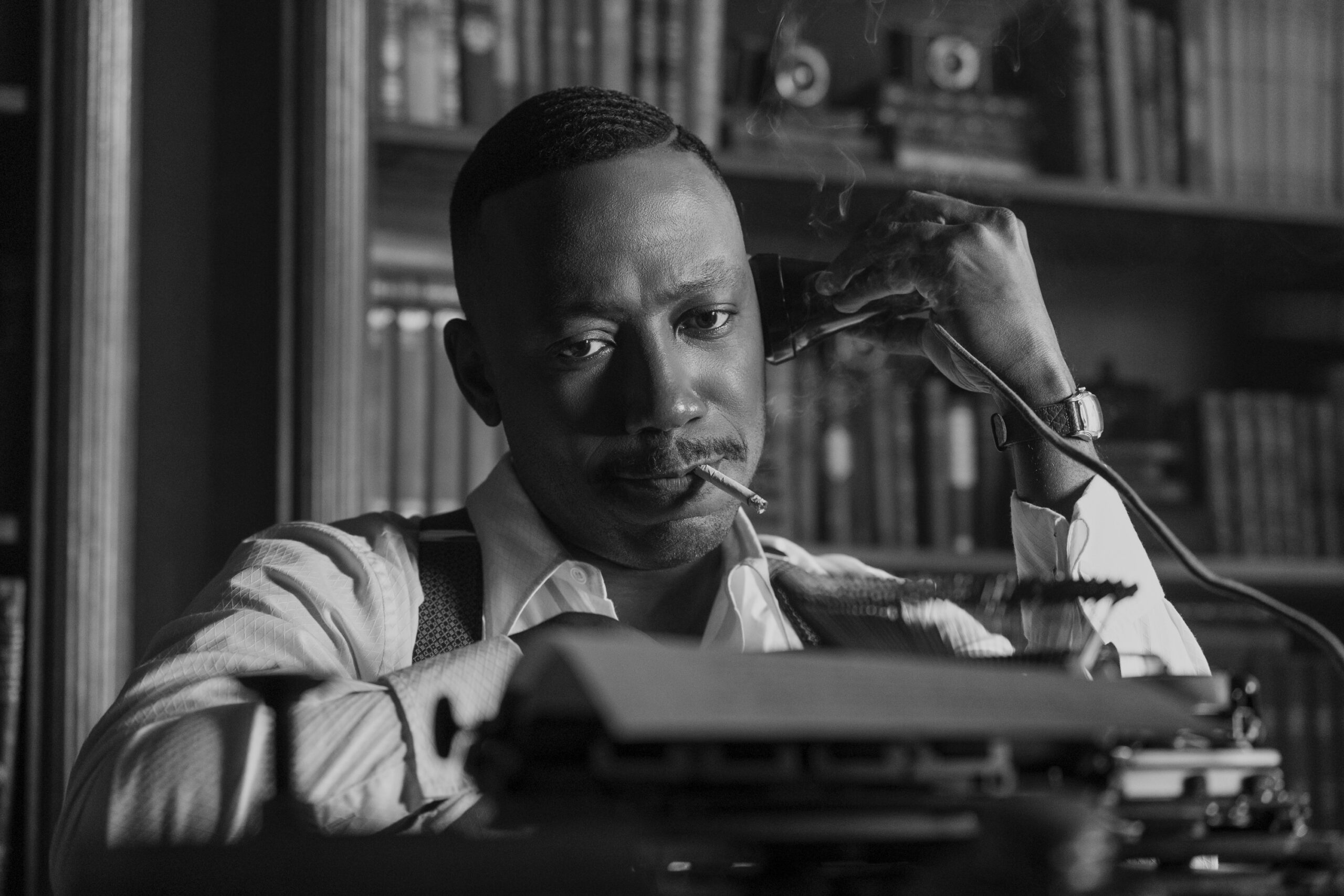
Ben went on a 5-year hero hiatus after he failed to save someone close to him, and that guilt, plus the fact that he’s not as spry as he once was, has kept him from donning the mask and protecting the city. But his life as a PI isn’t exactly thriving. Luckily, his loyal secretary, Janet (Karen Rodriguez), who’s quite the investigator herself, sticks around anyway. Ben also has his charming journalist pal, Robbie Robertson (Lamorne Morris), even though his retirement as the Spider left Robbie without a superhero to cover, which nearly tanked his career.
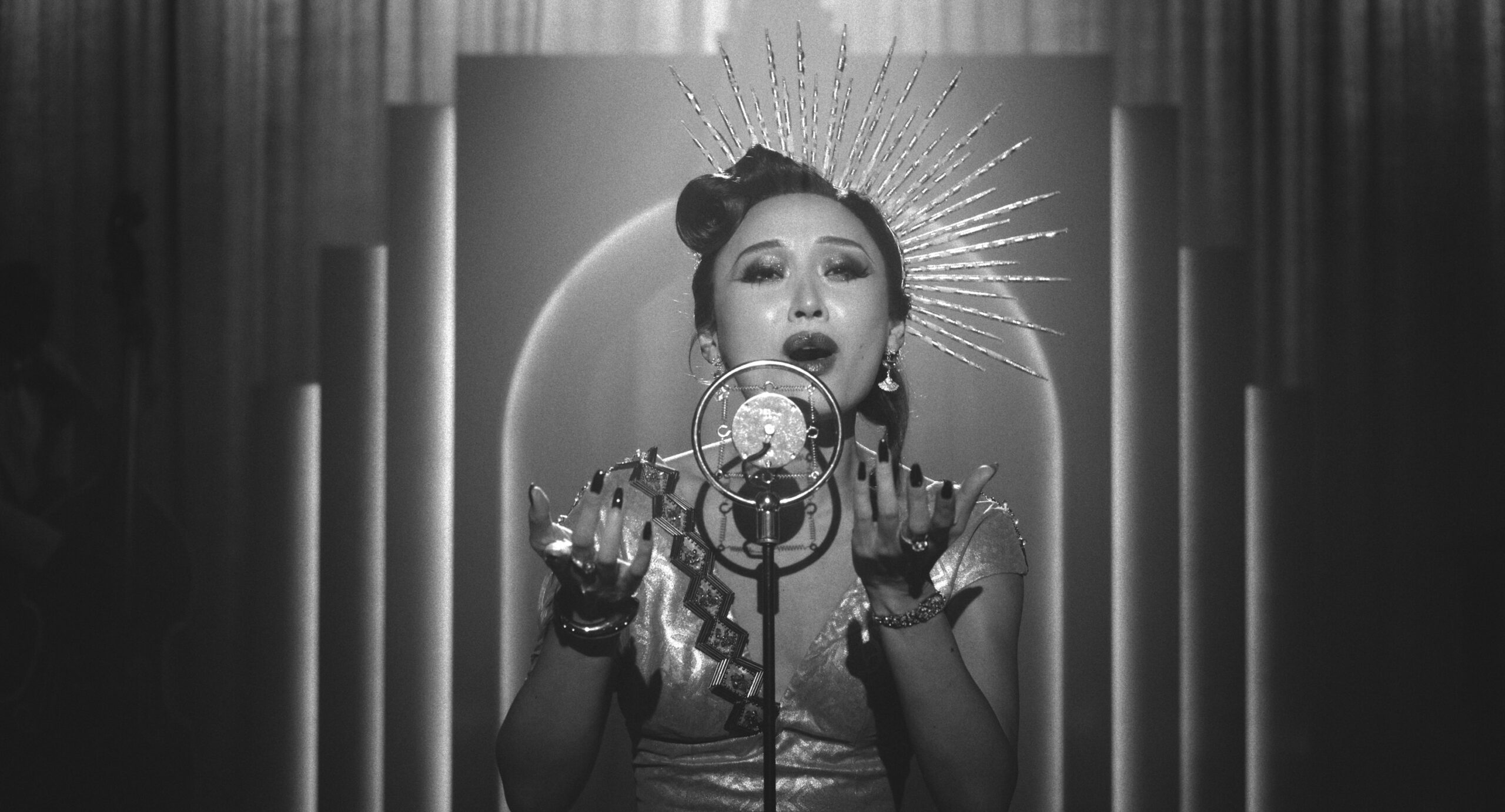
A new case leads Ben to Cat Hardy (Li Jun Li), a sultry lounge singer, who has the best wardrobe out of everyone, courtesy of costume designer Trayce Gigi Field (Poker Face, The Spoils of Babylon). She performs at the Alcove, a nightclub owned by the big bad of the season, the nearly-assassinated Irish mob boss named Silvermane (Brendan Gleeson). He’s a looming figure in New York City who controls as many people as he can, mostly muscle to do his bidding, or just to entertain him.
This case also brings about four men with strange abilities, but unlike Ben, not all of them use their powers for good. The villain lineup includes Flint Marko, aka Sandman (Jack Huston), Lonnie Lincoln, aka Tombstone (Abraham Popoola), Dirk Leydon, aka Megawatt (Andrew Lewis Caldwell), and Jimmy Addison, aka Molten Man (Jack Mikesell). But the connection between them is another mystery.
While Spider-Noir is considered an action drama, Cage and his co-stars still lean into the comedic elements of comic book stories. The actor-producer described his performance as “70 percent Humphrey Bogart and 30 percent Bugs Bunny,” and that definitely comes through. Ben can be just as serious as he is silly, depending on the situation. And Cage fans will enjoy the various Cage-isms, like the involuntary spider-like movements, which are cartoonish at times, but also a little unsettling.
Cage also approached the character more like a spider trying to appear human, rather than the other way around that we’re used to seeing. The kaleidoscopic opening credits encapsulate the combination of the pulpish noir style and the modernity of the Spider-Verse, as well as the blurry, fractured point-of-view of a spider. That merger extends to the music by composers Kris Bowers and Michael Dean Parsons, who both work on Bridgerton and have experience blending the old with the new.
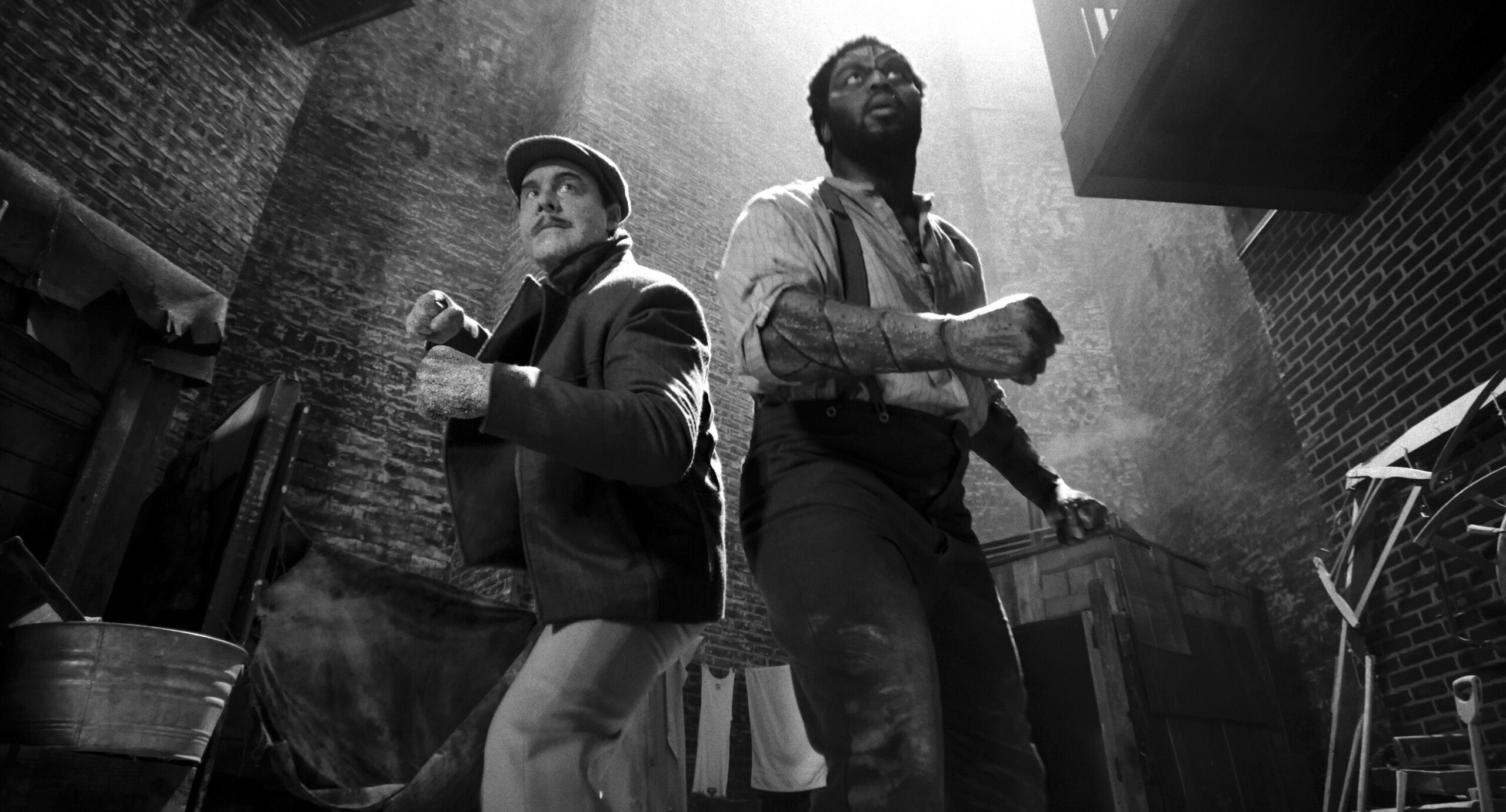
The credits sequence, and the series as a whole, has a chilling undertone that goes beyond the noir genre into something closer to horror, like The Twilight Zone and Universal Monster movies. I found the villains’ origins to be the most interesting part of the series, and episodes 5-8 really get into the grotesque experiments.

Darran Tiernan (The Penguin) and Peter Deming (Twin Peaks: The Return) did a phenomenal job with the noir elements — canted angles, shadowy silhouettes, moody lighting. The series can be watched in “authentic black and white” or “true-hue full color.” I highly recommend watching the episodes in black and white because, simply put, the monochromatic aesthetic has better vibes and gives audiences an immersive film noir experience. The superpowers and painful transformations, particularly Mega Watt’s electric abilities, look especially cool in grayscale.
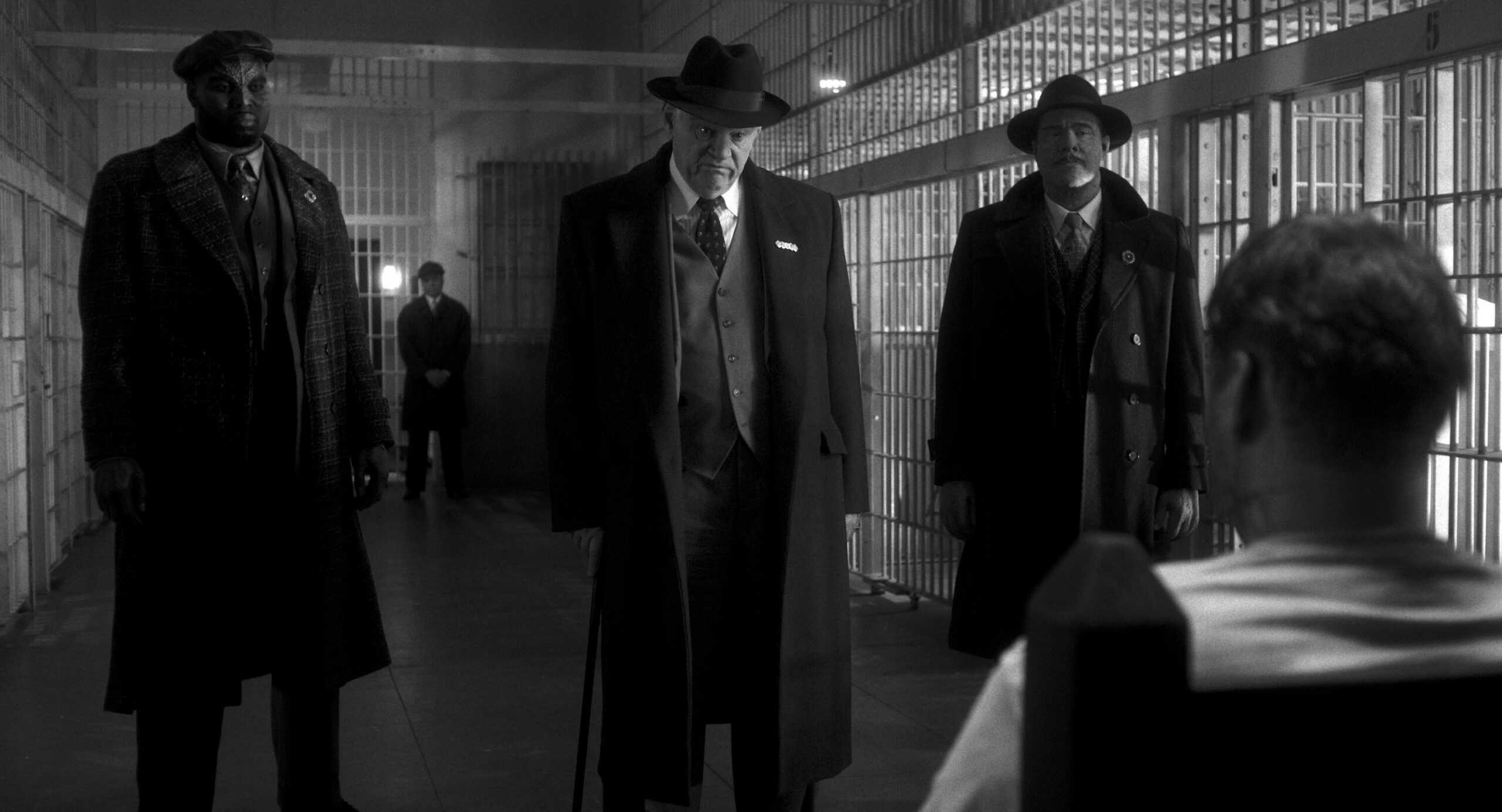
But I also say check out at least one episode in color. Black and white feels more grounded, though it has its surreal moments, while color is more whimsical and vibrant. The creators intentionally cranked the saturation to evoke the style of a comic book, but also paid homage to the colorization in classic films.
Spider-Noir sets itself apart from other live-action iterations of Spider-Man, not just in name but in overall style. From the striking cinematography to the authentic, rapid-fire noir dialogue, the series expertly blends genres to create a unique chapter in the Spider-Verse that subverts expectations.
Spider-Noir premieres May 25 on MGM+’s linear channel and May 27 on Prime Video.