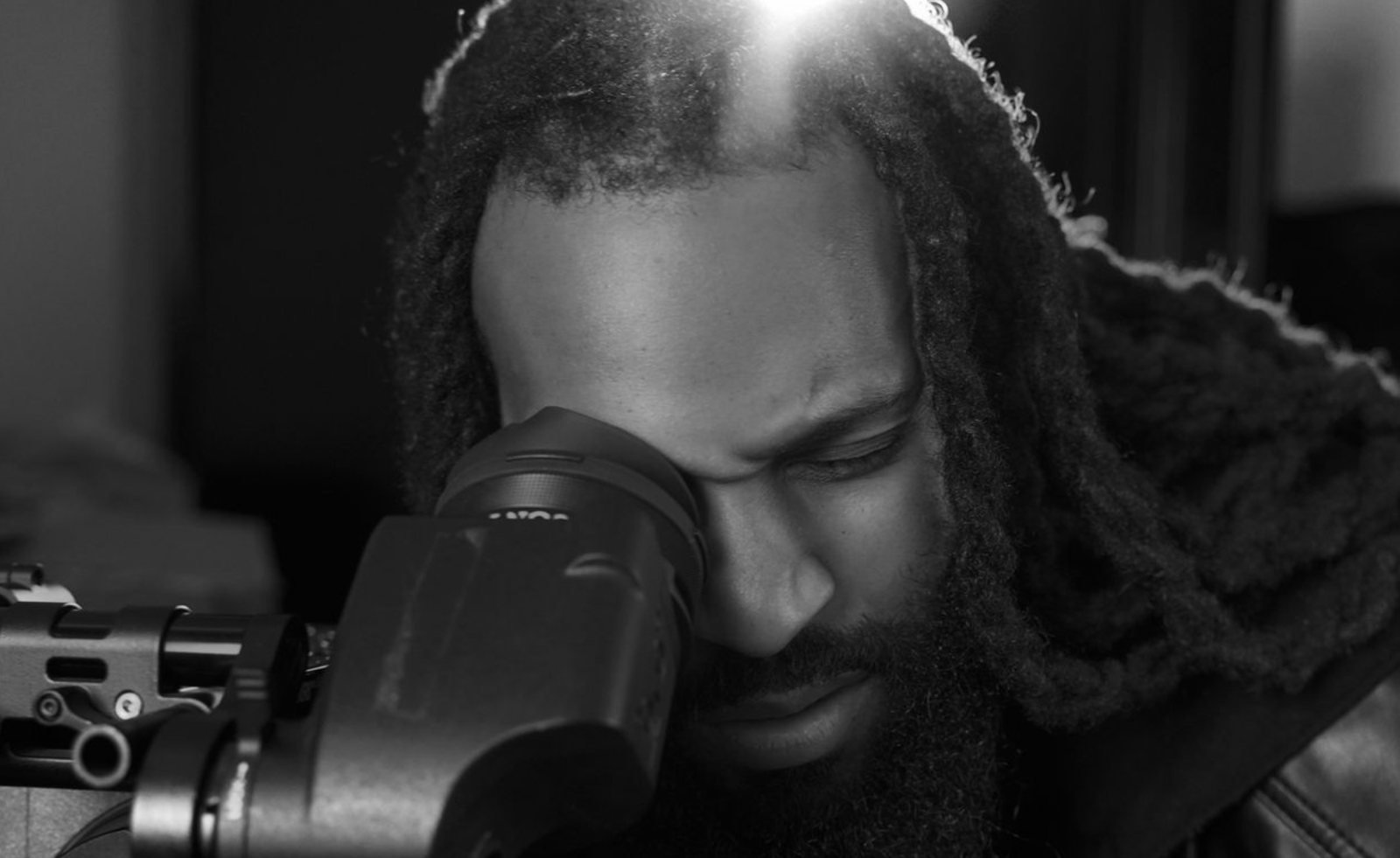

There is more than one way to make a horror movie. You can turn a family visit into a nightmare, unleash demons on a boarding house, or give a brilliant Black girl the tools to challenge death itself. You can also make an audience nervous with a polite smile. Sometimes that is all it takes.
For anyone searching for Black horror directors to add to their watchlist, the fun is discovering how differently these filmmakers approach fear. Their films span political satire, supernatural mysteries, monster movies, and stories rooted in the Black experience.
Jordan Peele is a natural starting point, but there is a much larger cinematic neighborhood to explore. These 10 filmmakers offer an introduction, with a recommended first watch and a reason to keep digging.
Jordan Peele
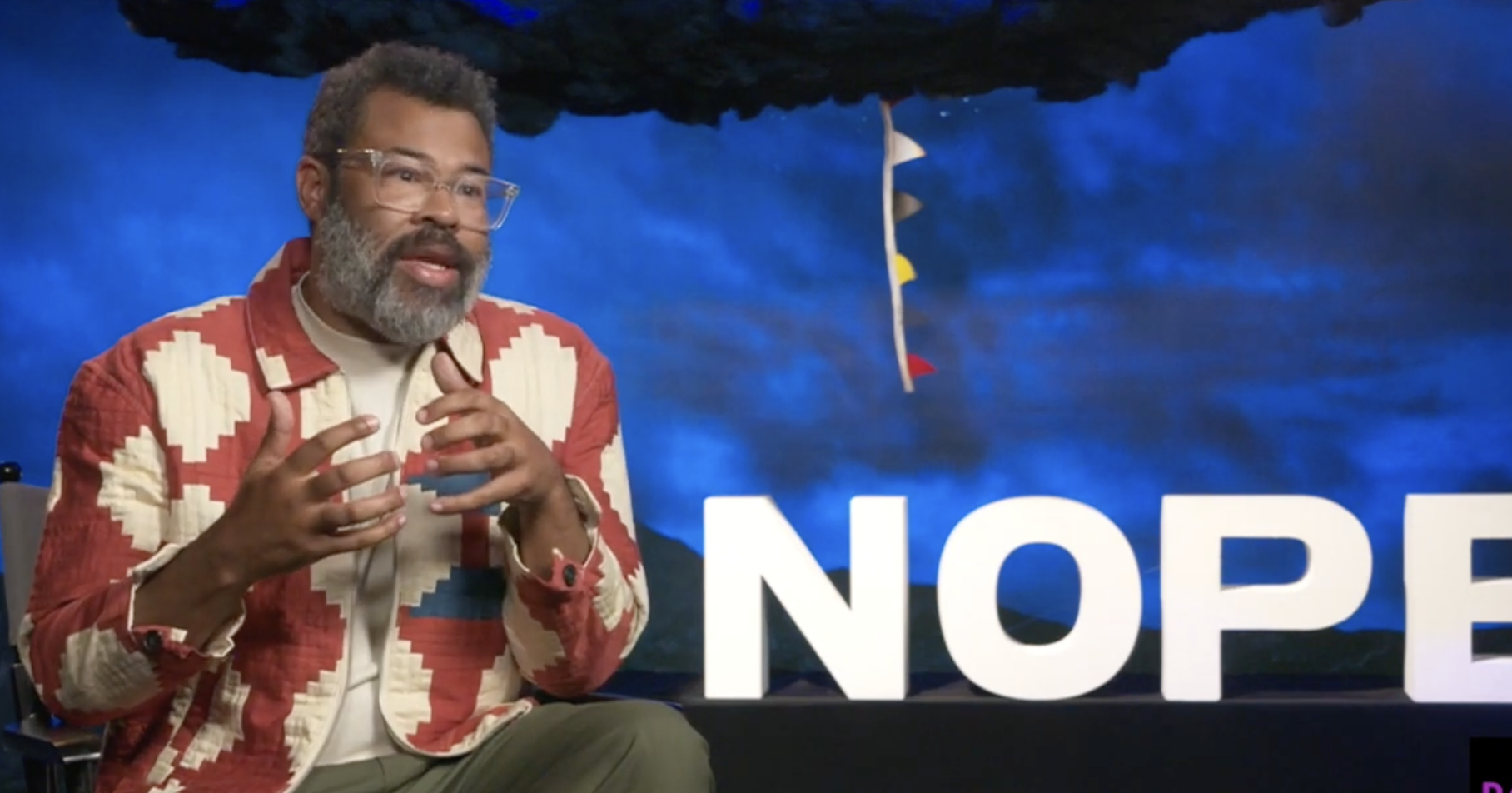
Start with: Get Out (2017)
Meeting your partner’s parents is stressful enough without wondering whether their enthusiasm for you is a threat. Peele builds Get Out around that discomfort, following Chris, a Black photographer played by Daniel Kaluuya, on a visit to his white girlfriend’s family.
His great strength here is controlling the distance between a laugh and a warning sign. Awkward compliments and supposedly reassuring conversations become clues, inviting viewers to notice what Chris notices before the full danger reveals itself.
Get Out is an accessible introduction because its central mystery keeps moving while its social observations reward a second viewing. Follow it with Us (2019) for a more unsettling puzzle about doubles and belonging, then Nope (2022) for a spectacle that makes looking itself feel dangerous.
Nia DaCosta
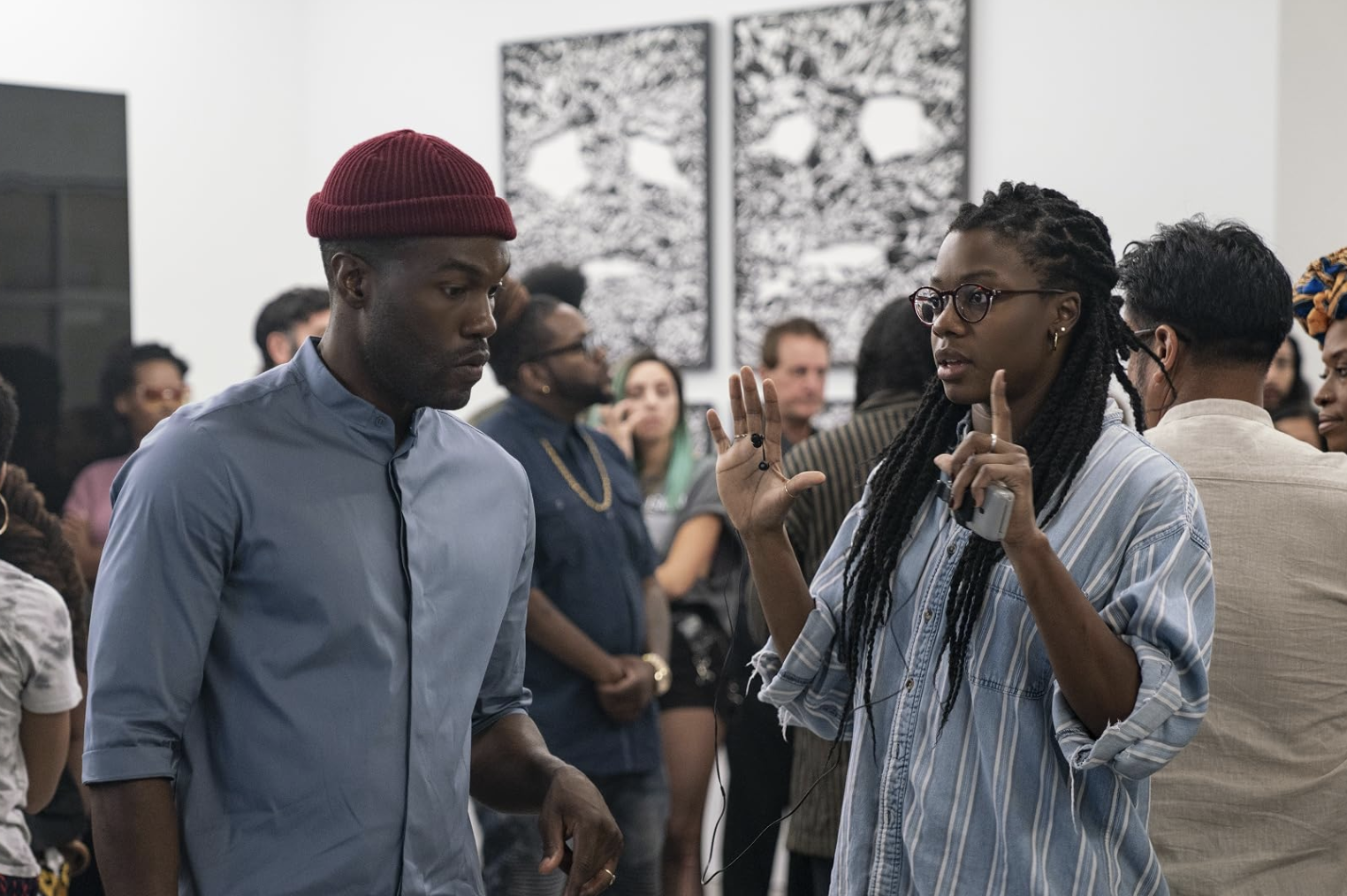
Start with: Candyman (2021)
DaCosta’s Candyman follows artist Anthony McCoy, played by Yahya Abdul-Mateen II, as his fascination with a Chicago urban legend begins consuming his work and his life. DaCosta directed the film and co-wrote it with Jordan Peele and Win Rosenfeld.
Her approach makes the act of telling a horror story part of the horror. Mirrors, carefully composed images, and shadow puppetry raise questions about whose suffering gets remembered and who benefits from turning it into art. The changing landscape of Cabrini-Green also gives the haunting a physical address.
Watch for how DaCosta builds unease within beautiful images, then explore her direction of 28 Years Later: The Bone Temple (2026). For more on her interpretation of the legend, read BGN’s Candyman review.
Rusty Cundieff
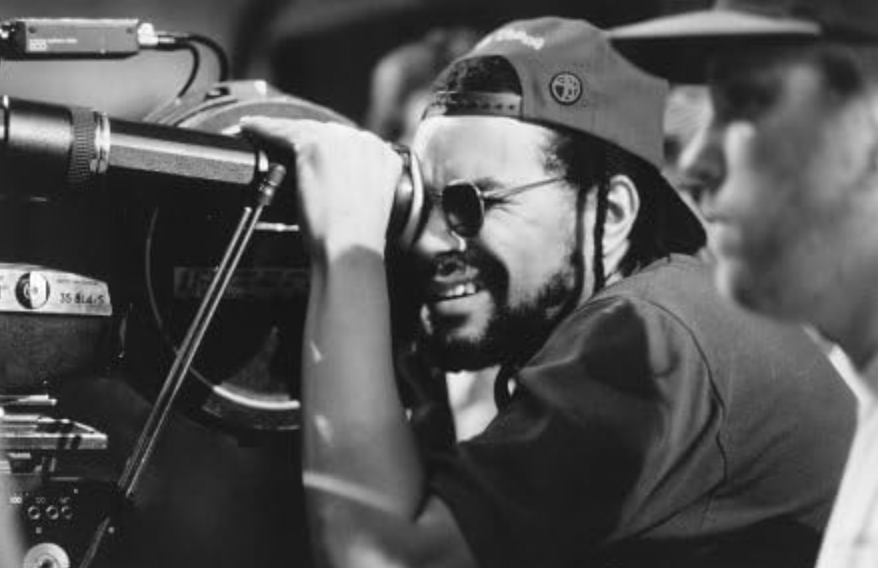
Start with: Tales from the Hood (1995)
If your idea of a perfect horror night includes several stories and a deeply suspicious funeral director, Rusty Cundieff has you covered.
Tales from the Hood uses an anthology structure to confront police brutality, domestic abuse, racism, and gang violence. Clarence Williams III anchors its framing story as Mr. Simms, whose funeral home is absolutely not somewhere you should conduct questionable business.
Cundieff mixes grotesque imagery with biting humor and supernatural consequences. Each segment offers a different kind of scare, making the film a great choice for viewers still figuring out their horror preferences.
Explore Tales from the Hood 2 (2018) and Tales from the Hood 3 (2020) afterward. Cundieff shares directing credit on both sequels with Darin Scott.
William Crain
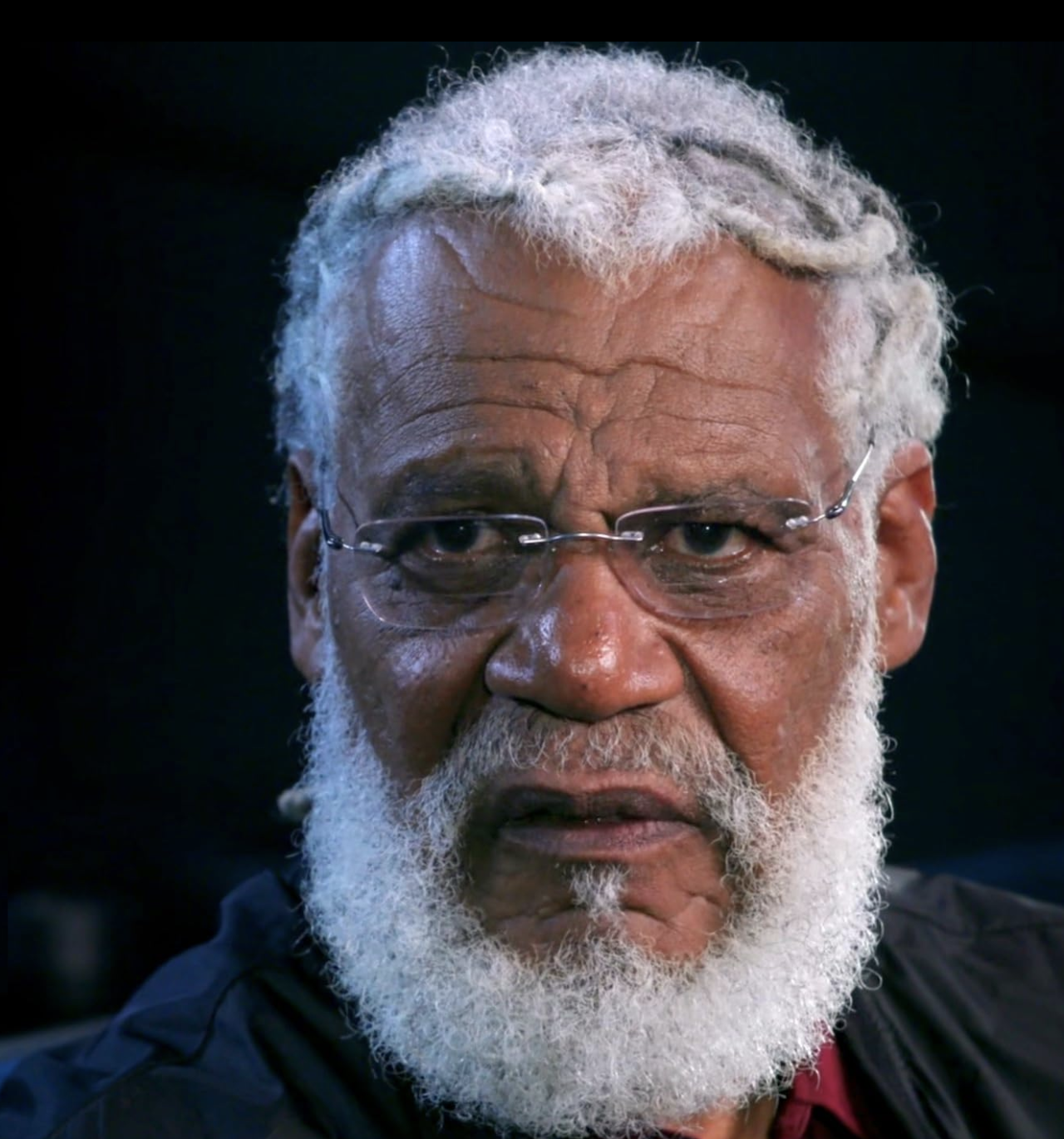
Start with: Blacula (1972)
Do not let the title do all your thinking for you. William Crain’s Blacula has more emotional weight than its playful name suggests.
William Marshall plays Mamuwalde, an African prince cursed by Dracula who eventually awakens in Los Angeles. Marshall’s commanding presence gives the vampire dignity and sorrow, while Crain brings the familiar monster into a world of Black nightlife, romance, and community.
The film’s period stereotypes warrant a critical eye, but its tragic central figure remains compelling. Watch it to see how a recognizable horror formula changes when a Black character occupies its center.
Continue with Crain’s Dr. Black, Mr. Hyde (1976), which places another classic transformation story within a racially charged setting.
Bill Gunn
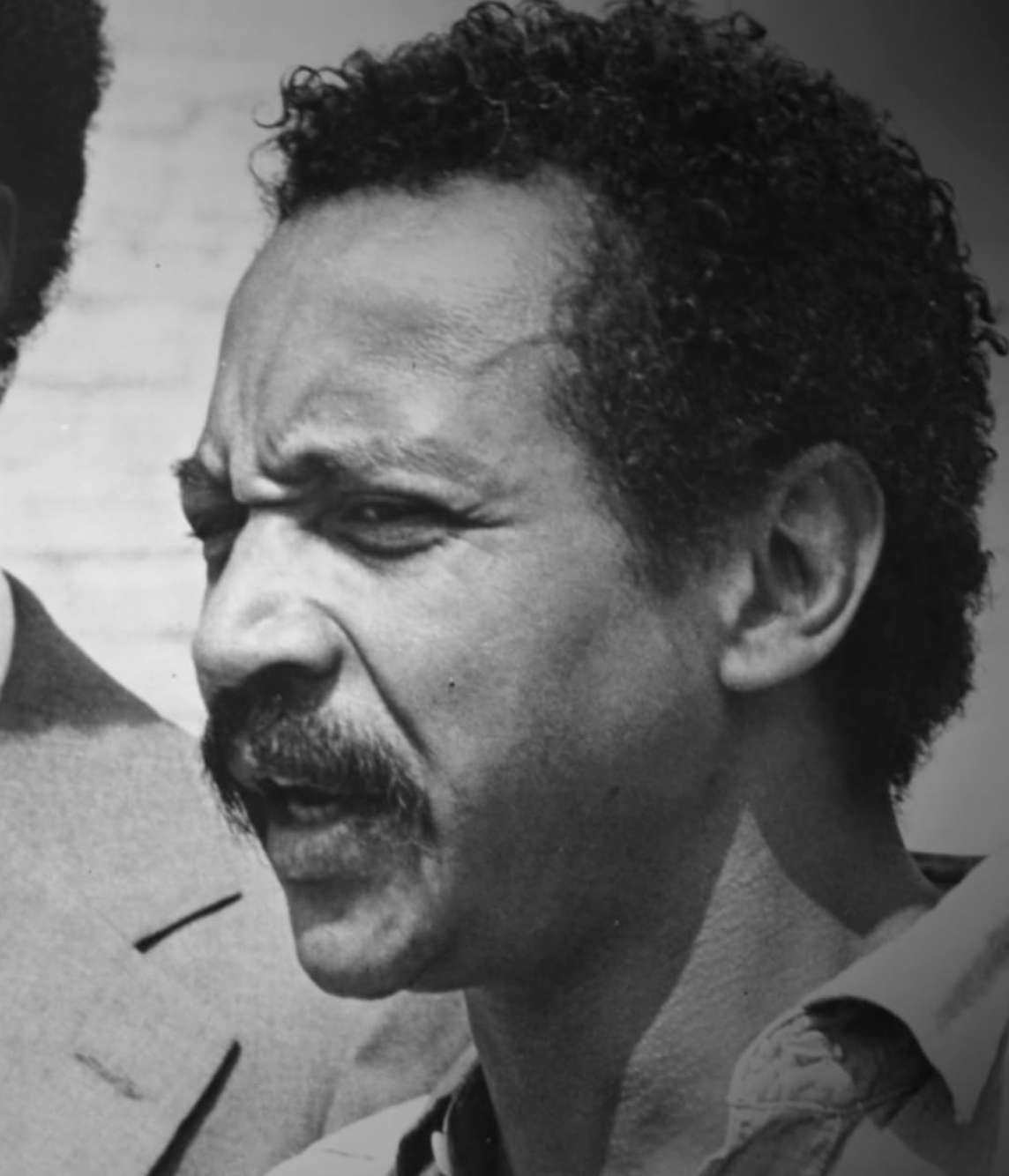
Start with: Ganja & Hess (1973)
Bill Gunn’s Ganja & Hess is the recommendation for anyone who wants a vampire movie to get strange, sensual, and spiritually complicated. Duane Jones and Marlene Clark star in a story about blood hunger that refuses to move like a conventional monster thriller. Gunn’s fragmented storytelling and attention to ritual invite viewers to consider desire, dependency, faith, and identity alongside the supernatural premise.
This is a film to settle into rather than rush through. Its images and rhythms matter as much as its plot, and its treatment of Ganja gives Clark room to be forceful, funny, and difficult to reduce to a familiar horror role.
Gunn rewards further exploration because his work expands the possibilities of Black genre cinema. Pair this film with Nikyatu Jusu’s Suicide by Sunlight for two strikingly different approaches to Black vampire stories.
Ernest Dickerson
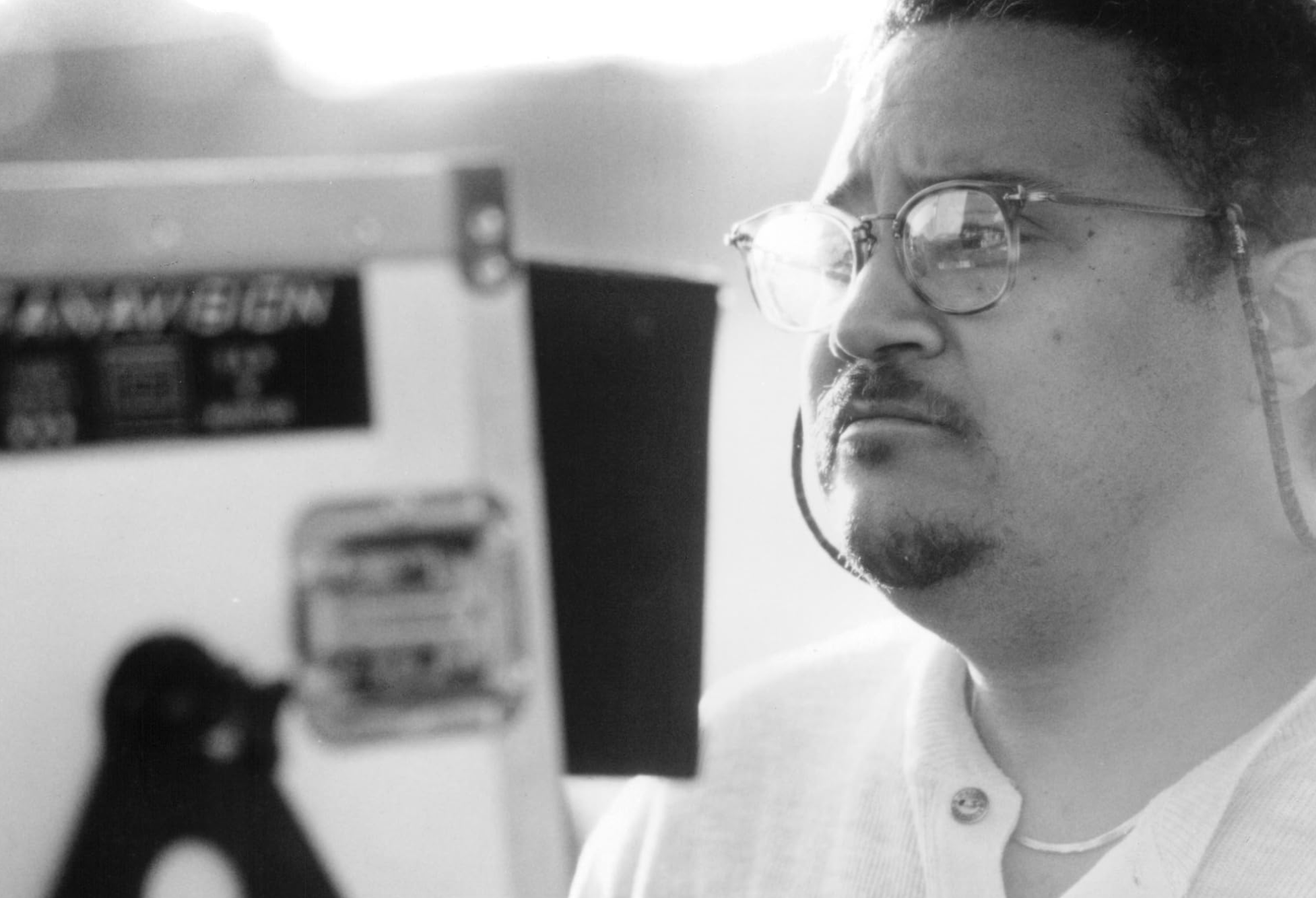
Start with: Tales from the Crypt Presents: Demon Knight (1995)
Sometimes you want atmospheric dread. Sometimes you want Billy Zane causing supernatural chaos while Jada Pinkett Smith fights to survive. Ernest Dickerson delivers the latter with style.
Demon Knight turns a boarding house into the site of a siege, combining demonic creatures, gallows humor, and escalating action. Dickerson keeps the danger visually lively while giving the characters enough personality to make their survival matter. Pinkett Smith’s Jeryline is a major reason to watch, especially for viewers interested in Black women’s place in horror’s survival stories. This is a lively entry point for fans who enjoy creature effects and a movie with a wicked sense of humor.
Follow it with Bones (2001), starring Snoop Dogg and Pam Grier, for Dickerson’s approach to supernatural revenge and a haunted neighborhood.
Remi Weekes
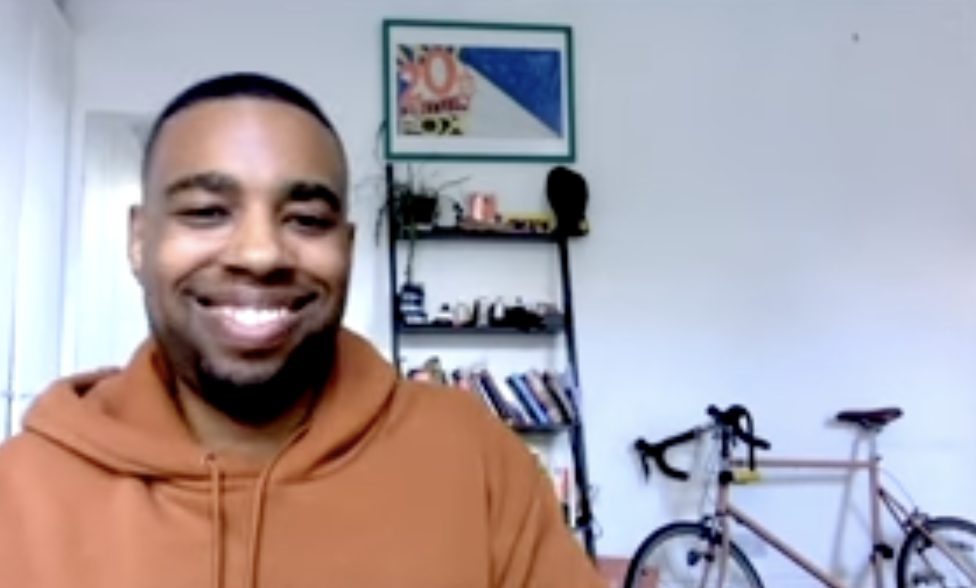
Start with: His House (2020)
A new home should offer safety. In Remi Weekes’s His House, that promise becomes painfully uncertain.
Ṣọpẹ́ Dìrísù and Wunmi Mosaku play a South Sudanese couple seeking asylum in Britain who discover that their assigned home contains a terrifying presence. Weekes connects the haunted-house premise to displacement, grief, and the pressure to adjust to a place that does not necessarily welcome you.
His visual transitions make the house feel unstable, allowing memories and supernatural threats to invade ordinary rooms. The performances keep the story intimate even when its imagery becomes overwhelming.mStart here if you love ghost stories with an emotional center. Weekes gives viewers a reason to pay attention to his filmmaking by making both the haunting and the couple’s strained relationship essential to the suspense.
Nikyatu Jusu
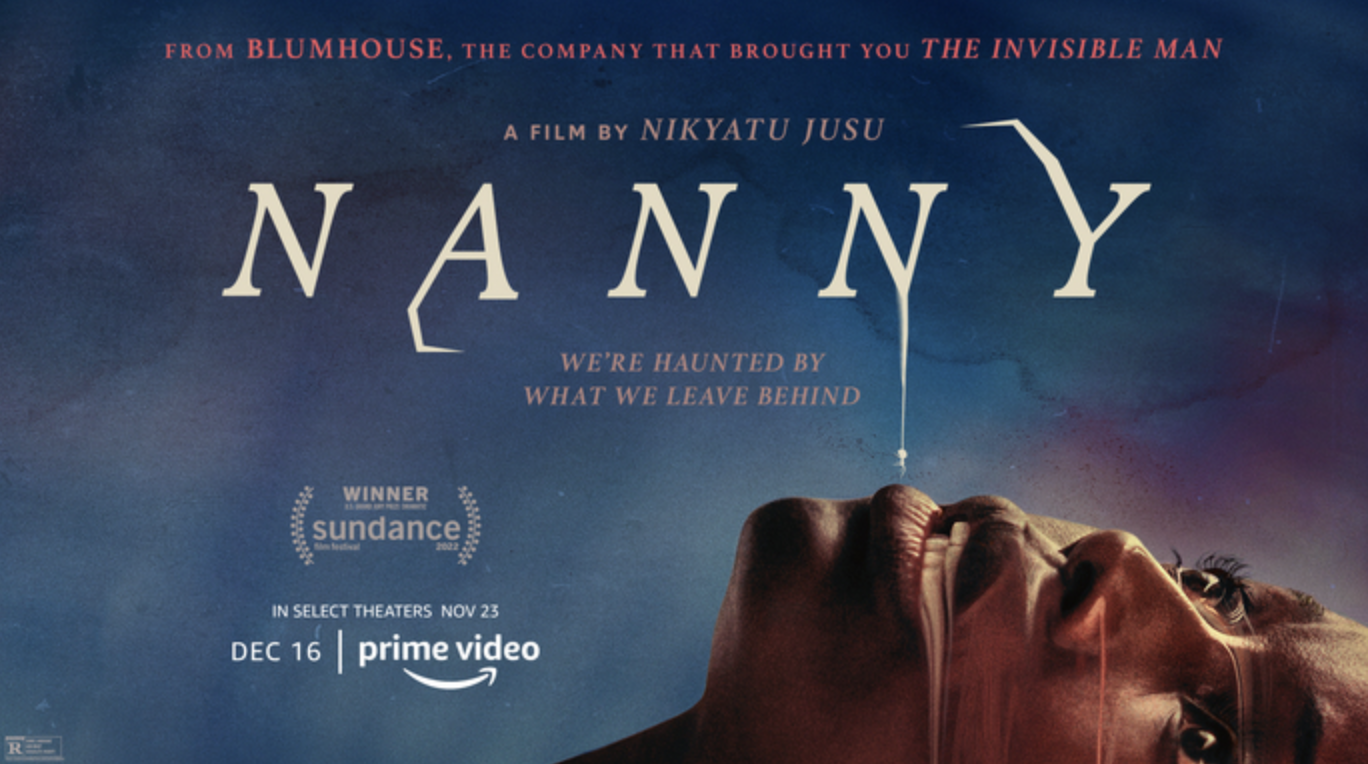
Start with: Nanny (2022)
Nikyatu Jusu’s Nanny understands how exhausting it can be to care for someone else’s family while trying to hold your own life together. Anna Diop plays Aisha, a Senegalese immigrant working for a wealthy white family in New York while hoping to reunite with her son. Jusu, a Sierra Leonean American filmmaker, brings West African folklore into a story about motherhood, work, and separation.
Dreamlike imagery makes Aisha’s daily pressures increasingly difficult to separate from supernatural disturbance. The film asks viewers to stay close to her experience, even when certainty slips away.
Continue with Jusu’s short Suicide by Sunlight (2019), about a Black vampire whose melanin protects her from sunlight. Together, the films show her talent for making familiar genre ideas newly expressive through Black women’s lives.
Mariama Diallo
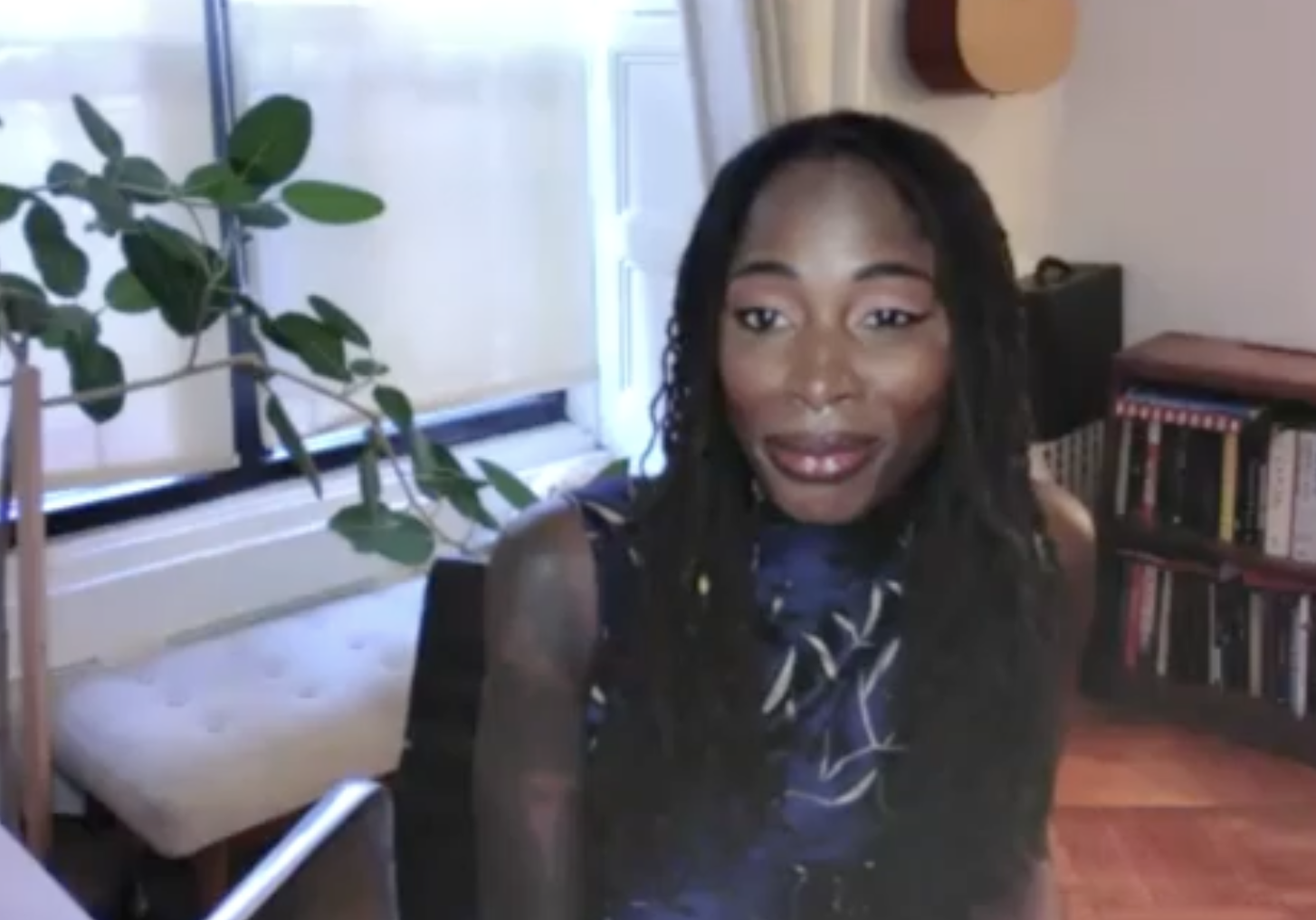
Start with: Master (2022)
An elite college can have excellent brochures and a deeply rotten atmosphere. Mariama Diallo’s Master makes that contradiction the foundation of its dread.
Regina Hall and Zoe Renee star in a story about Black women navigating a predominantly white institution where a troubling campus legend intersects with present-day racism. Diallo uses the isolation of academic life to create a horror setting in which achievement offers little protection. Her approach is especially effective when the threat is difficult to name. An uncomfortable interaction or an institution’s polished reassurance can leave a character feeling as vulnerable as an overt supernatural encounter.
Watch Master if you enjoy psychological unease and unsettling campus stories. Then try Diallo’s short Hair Wolf (2018), which uses horror comedy and a Black hair salon to take on cultural appropriation.
Bomani J. Story
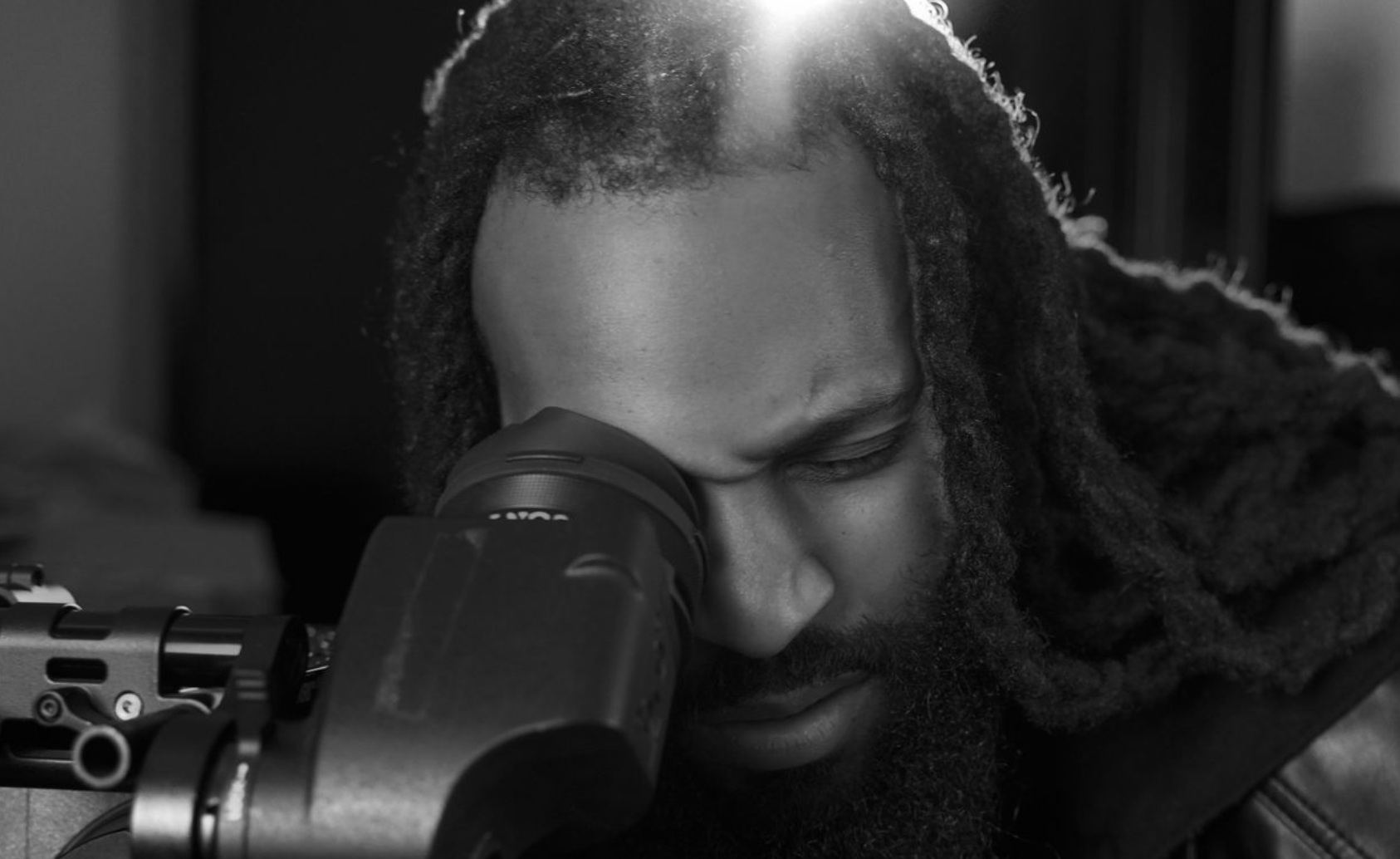
Start with: The Angry Black Girl and Her Monster (2023)
A Black teenage girl with scientific ambition should have room to be brilliant, furious, and dangerously wrong. Bomani J. Story gives her exactly that room. Inspired by Mary Shelley’s Frankenstein, The Angry Black Girl and Her Monster follows Vicaria, played by Laya DeLeon Hayes, as she attempts to reverse the death of her brother. Story makes her intelligence and grief the driving forces of a gruesome experiment.
The familiar question of whether science has gone too far becomes especially personal when its young scientist has already experienced far too much loss. The film gives her ambition emotional weight without removing the frightening consequences. Start here for body horror and a fresh perspective on a classic monster story. Story is a filmmaker to follow because his feature directing debut gives a young Black girl the power to create the nightmare herself.
Then use BGN’s Black horror watchlist to keep exploring. There are plenty of ways into this genre, and plenty of filmmakers ready to make you regret turning off the lights.