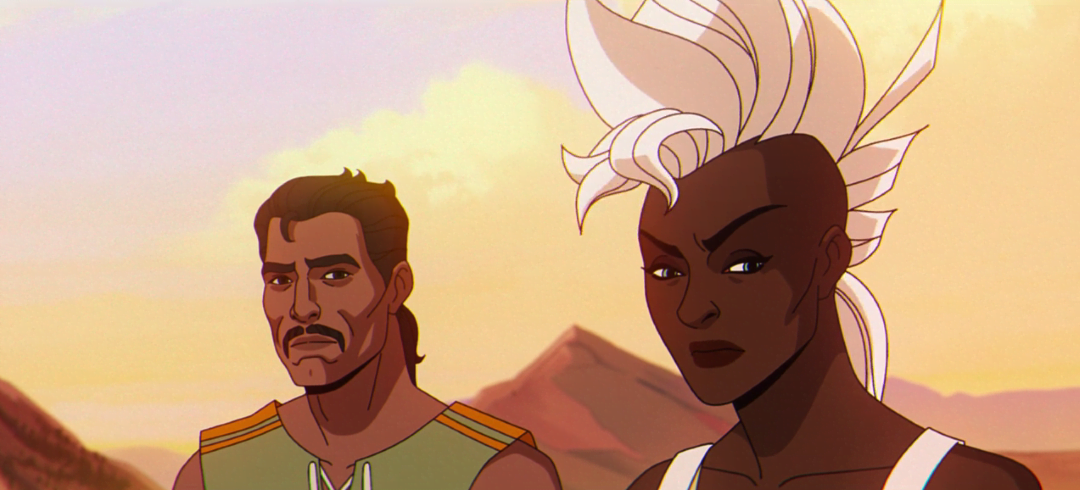

For Blerds, seeing ourselves in a superhero story can mean everything. A kid recognizes their hair, their neighborhood, or their family in someone capable of doing the impossible. A Black woman watches a heroine command a room without apologizing for her power. Suddenly, the fantasy feels a little closer to home.
But the evolution of Black superheroes in movies and television has been uneven. Major breakthroughs have arrived alongside missed opportunities, underwritten characters, and long waits between leading roles. Even when Black heroes made it onto the screen, visibility did not always come with meaningful character development.
Tracing this history means looking beyond the biggest blockbusters. It includes independent films, Saturday morning cartoons, neighborhood protectors, vampire hunters, and the Black women whose contributions too often get treated as supporting material.
Before Wakanda, There Were Other Worlds to Save
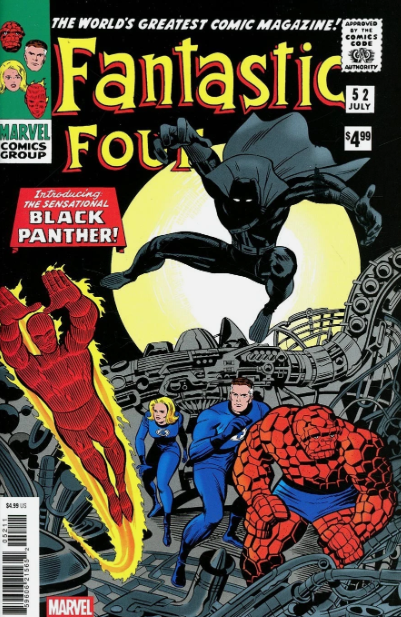
Black superheroes existed in comics long before Hollywood regularly gave them starring vehicles. T’Challa debuted in Fantastic Four #52 in 1966, introducing Black Panther to mainstream Marvel readers decades before Chadwick Boseman would bring him to the screen.
One early example was Abar, the First Black Superman (1977), a low-budget film that placed racism at the center of its superhero premise. Its story follows a Black scientist facing hostility after moving his family into a white neighborhood and a man who gains extraordinary abilities through the scientist’s experimental serum. Superpowers become a means of confronting racial injustice.
The film offers an important reminder, that Black superhero cinema did not begin with a major studio deciding that representation might be profitable. Earlier filmmakers were already using fantasy to imagine protection, resistance, and power for Black communities.
The 1990s: Neighborhood Heroes and New Possibilities
In the 1990s, Black superhero stories explored comedy, science fiction, and supernatural action.
Robert Townsend wrote, directed, and starred in The Meteor Man (1993), playing a Washington, D.C., teacher who gains powers after a meteor strikes him. Damon Wayans followed with Blankman (1994), a superhero comedy built around an inventive repairman turned crimefighter.
There is something compelling about that scale. Saving the universe is impressive, but so is caring about the people on your block. These stories made neighborhoods worth protecting without requiring an alien invasion to justify the attention.
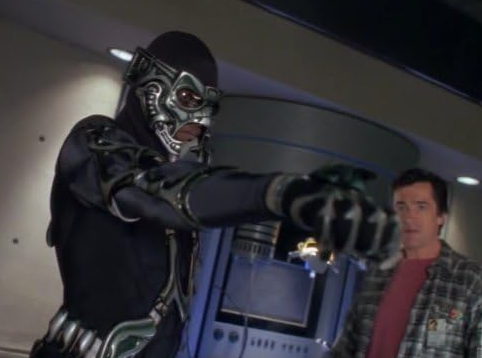
Television also offered a significant milestone with M.A.N.T.I.S. in 1994. Carl Lumbly starred as Dr. Miles Hawkins, a scientist with paralysis who uses a technological exoskeleton to fight crime. The series brought a Black scientist and disabled protagonist into a leading superhero role, although changes between its pilot and weekly series drew criticism over the removal of Black supporting characters.
In 1997, Michael Jai White played Al Simmons in Spawn, while Shaquille O’Neal suited up as John Henry Irons in Steel. These adaptations expanded the range of Black heroes in theatrical films, from supernatural antihero to armored inventor.
Their place in history deserves more than a passing mention. A film can have shortcomings and still mark a meaningful moment for audiences who rarely saw Black actors at the center of comic-book adaptations.
Blade Changed the Conversation
Then Wesley Snipes walked into a vampire nightclub, and superhero cinema had a new standard for cool.
Released in 1998, Blade combined horror, martial arts, and comic-book storytelling around a Black leading man. Its success became an important milestone for Marvel adaptations before the Marvel Cinematic Universe existed.
Snipes gave Blade a commanding physical presence. The character did not spend the movie seeking approval. He knew his purpose, understood the danger, and handled business. Blade also expanded the emotional and stylistic possibilities for Black superheroes. He could be intimidating, solitary, stylish, and morally complicated. His appeal did not depend on being an inspirational spokesperson.
Animation Built a Generation of Blerds
Any history focused only on live action misses some of the most influential Black superheroes on screen.
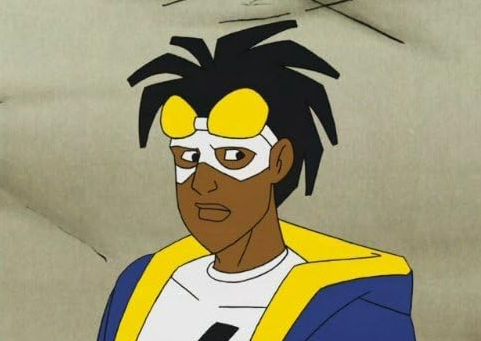
Static Shock, which ran from 2000 to 2004, centered Virgil Hawkins, a Black teenager with electromagnetic powers. His adventures combined extraordinary abilities with the recognizable world of school, friendship, and adolescence. Virgil made superhero life feel accessible. He could be clever, funny, uncertain, and brave within the same episode. Young viewers could imagine themselves in his shoes because he still had a life beyond fighting villains.
Meanwhile, John Stewart’s role in the animated Justice League helped establish him as a defining Green Lantern for a generation of viewers. His presence demonstrated how an adaptation could bring a longstanding Black comic-book character to a much wider audience.
Animation gave these heroes time to develop relationships, make mistakes, and become familiar. Representation gained depth through repetition: audiences returned week after week to characters whose stories mattered.
Storm and the Gap Between Presence and Power
For Black women, Storm occupies a special place in superhero history. Ororo Munroe is a leader whose abilities can change the atmosphere itself. Her stature in comics makes the limitations of some screen portrayals especially noticeable.
Halle Berry brought Storm to the live-action X-Men films beginning in 2000. Her casting placed a Black woman inside a major superhero franchise, but the films often gave her less narrative space than her importance warranted.
Seeing Storm summon lightning is thrilling. Giving her ambitions, relationships, difficult choices, and sustained leadership makes that spectacle mean more.
X-Men ’97 offered a stronger example through its adaptation of “Lifedeath,” exploring Storm’s vulnerability and her relationship with her powers. The story made room for her interior life alongside her extraordinary abilities. Black women deserve both. A heroine can be powerful and afraid, confident and grieving, capable and in need of care. Those contradictions make a character human.
Television Made Room for Community and Family
Luke Cage arrived in 2016 with a premise carrying unmistakable cultural resonance: a bulletproof Black man protecting Harlem. The series made its setting, music, and Black cultural references integral to its identity.
The fantasy invited viewers to consider what safety might look like for someone whose body could withstand bullets. Harlem also became more than scenery. The community gave the hero’s choices their weight.
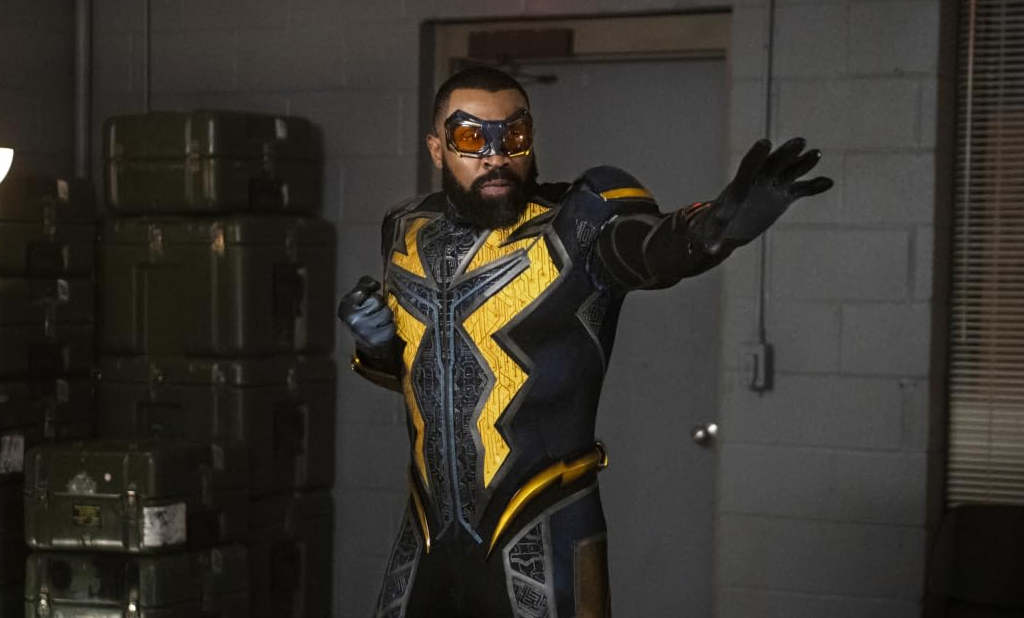
Black Lightning followed in 2018, with Cress Williams playing Jefferson Pierce, a retired superhero returning to protect his family and community. Its family structure expanded the story beyond a solitary hero’s journey.
Crucially, Jefferson’s daughters had heroic identities of their own. Anissa Pierce, played by Nafessa Williams, became Thunder, bringing a Black lesbian superhero into the series’ central family. Her presence allowed race, sexuality, family, and power to exist within one character’s experience. DC
Blackness has never been a single experience. Superhero storytelling becomes richer when it reflects that.
Black Panther Expanded the Scale
Ryan Coogler’s Black Panther (2018) offered a world where Black people occupied the center of the frame as royalty, scientists, warriors, spies, and political adversaries.
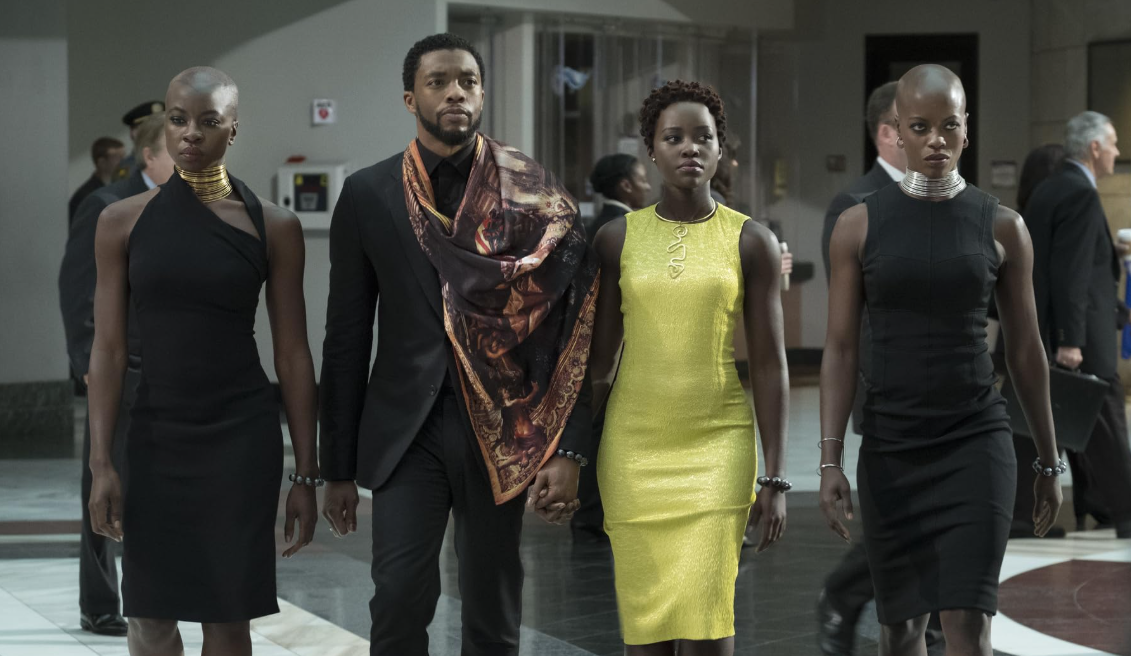
Chadwick Boseman’s T’Challa anchored the film, while Shuri, Nakia, Okoye, and Ramonda brought distinct forms of intelligence and authority to Wakanda. The film’s achievements extended behind the camera: it won Academy Awards for costume design, production design, and original score, with Ruth E. Carter and Hannah Beachler among its winners.
Wakanda’s visual identity helped make its central idea tangible. African influence could shape an imagined technological future. Black culture belonged inside the fantasy at every level.
Black Panther: Wakanda Forever (2022) placed grief and responsibility at the center of the continuation, with Wakanda’s women carrying much of the story. Shuri’s emergence as Black Panther allowed a young Black woman to inherit enormous power while wrestling with loss and anger.
Her journey gave vulnerability real dramatic space. Being brilliant did not make her immune to pain.
Miles Morales and the Right to Define Yourself
Spider-Man: Into the Spider-Verse (2018) introduced a cinematic superhero journey grounded in Miles Morales’ Black and Puerto Rican identity, family relationships, artistic interests, and Brooklyn surroundings.
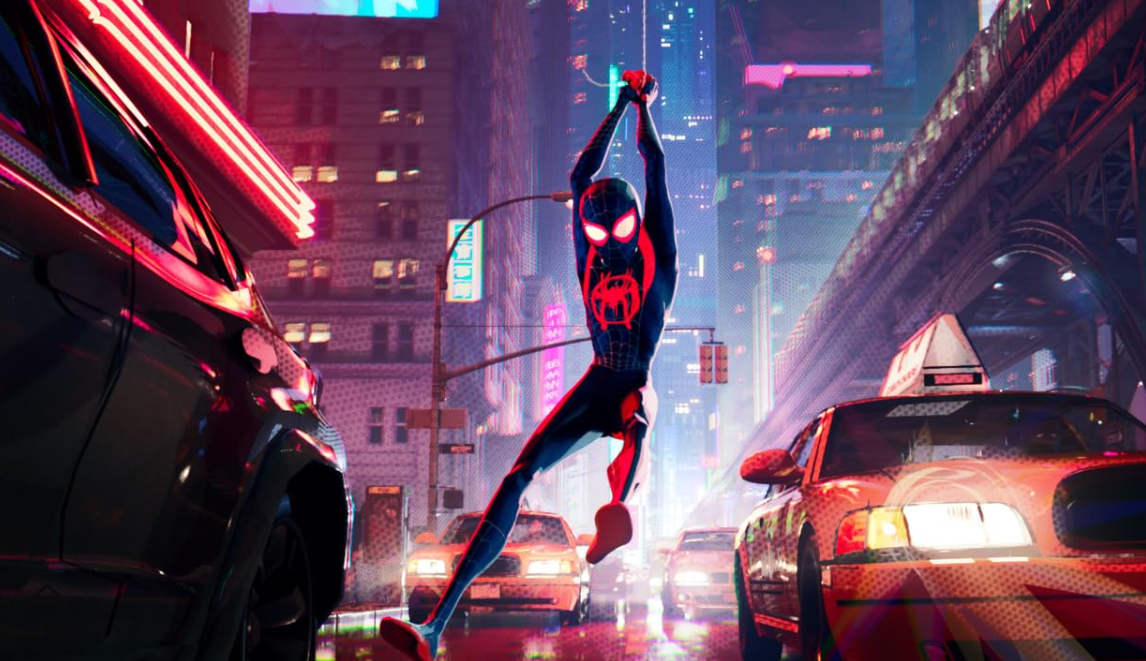
Miles had to learn how to become Spider-Man while remaining himself. The film’s visual language made that process exhilarating, and it won the Academy Award for animated feature.
Across the Spider-Verse (2023) pushed his struggle further, questioning who gets to decide what his story must look like.
That conflict speaks to a broader issue in representation. Being included in an established universe is one milestone. Having the freedom to reshape its expectations is another.
Black Women Are Claiming More of the Story
Recent television has offered Black women more opportunities to anchor superhero narratives.
In HBO’s Watchmen (2019), Regina King’s Angela Abar, also known as Sister Night, stood at the center of a story about racial violence, inherited trauma, and power. King won an Emmy for the performance in 2020.
Javicia Leslie took up the Batwoman mantle as Ryan Wilder in 2021, bringing a Black lesbian protagonist into Gotham’s mythology. Ryan was a new character with her own history and perspective, giving the familiar symbol a different relationship to the city it protected.
Marvel’s Ironheart (2025) gave Dominique Thorne’s Riri Williams a series of her own after her introduction in Wakanda Forever. A young Black inventor became the central figure in a story about advanced technology and the choices that accompany extraordinary intelligence.
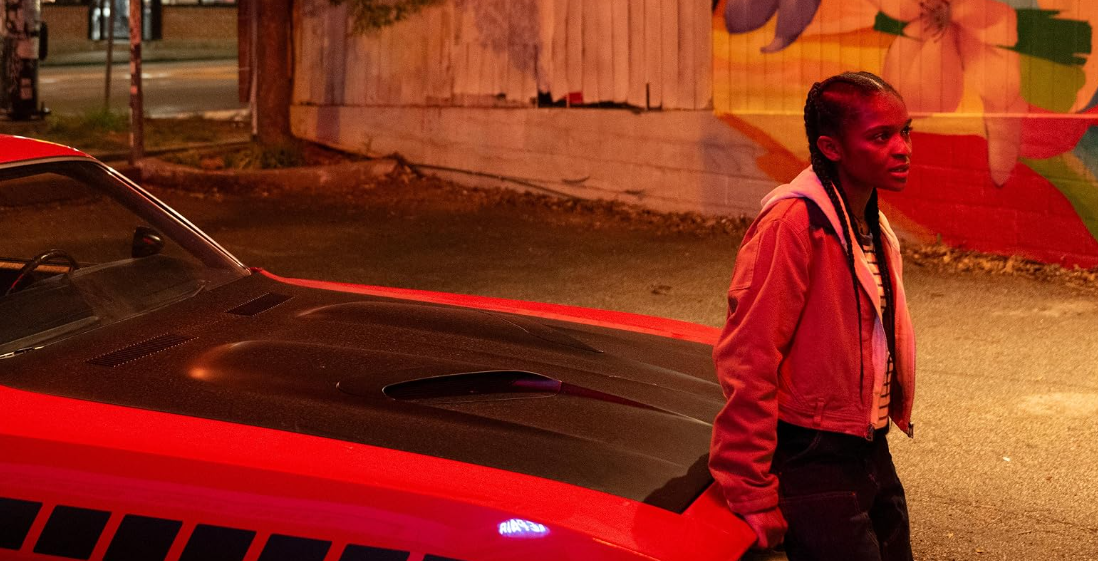
These characters widen the possibilities. Black women can be detectives, inventors, neighborhood protectors, and inheritors of legendary identities. They can also be impatient, ambitious, conflicted, and wrong.
That last part matters. Perfection is a restrictive job description for any hero.
The Evolution Continues Beyond the Costume
Anthony Mackie’s progression from Falcon to the lead of Captain America: Brave New World (2025) marks another significant shift: a Black hero carrying one of Marvel’s most recognizable titles.
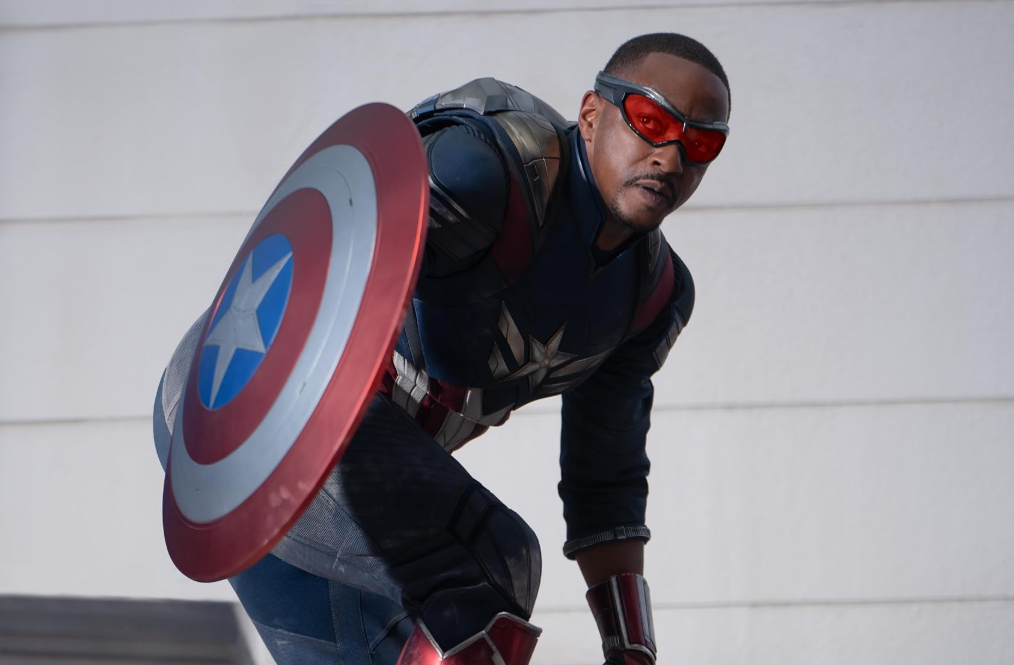
But the next stage of representation requires more than counting costumes. It means examining who gets a fully developed story, whose relationships receive attention, and which creators have the authority to shape these worlds.
Black superheroes deserve room for cultural specificity, romance, humor, adventure, and ordinary frustration. Some stories will confront racism directly. Others will give us the pleasure of watching a Black hero outsmart a villain and make it home for dinner. There is room for both.
From early independent films to animation and global franchises, Black superheroes have expanded what heroism can look like. The most exciting possibility is a screen landscape with enough Black heroes that no single character has to represent everyone.
Let them save the world, miss the bus, fall in love, build something impossible, and occasionally make a spectacular mess. That is where the stories get interesting.