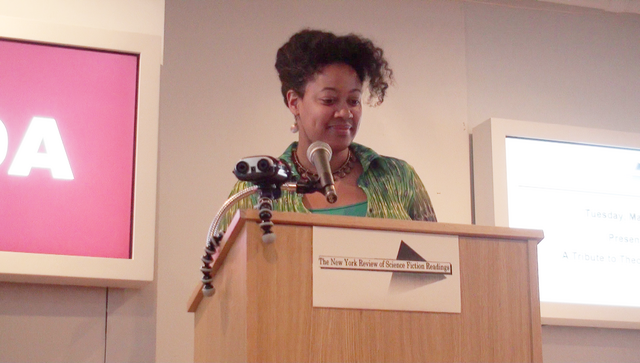

The worlds of science fiction, fantasy, horror, and speculative fiction have long been dominated by familiar narratives and creators, often sidelining voices from marginalized communities. Yet throughout history, Black creators have consistently reshaped these genres, challenging conventions, expanding imagination, and introducing perspectives that broaden the scope of storytelling. Their contributions have not only enriched the genres themselves but also inspired a generation of readers and viewers to envision worlds where Black experiences, cultures, and histories are central, not peripheral.
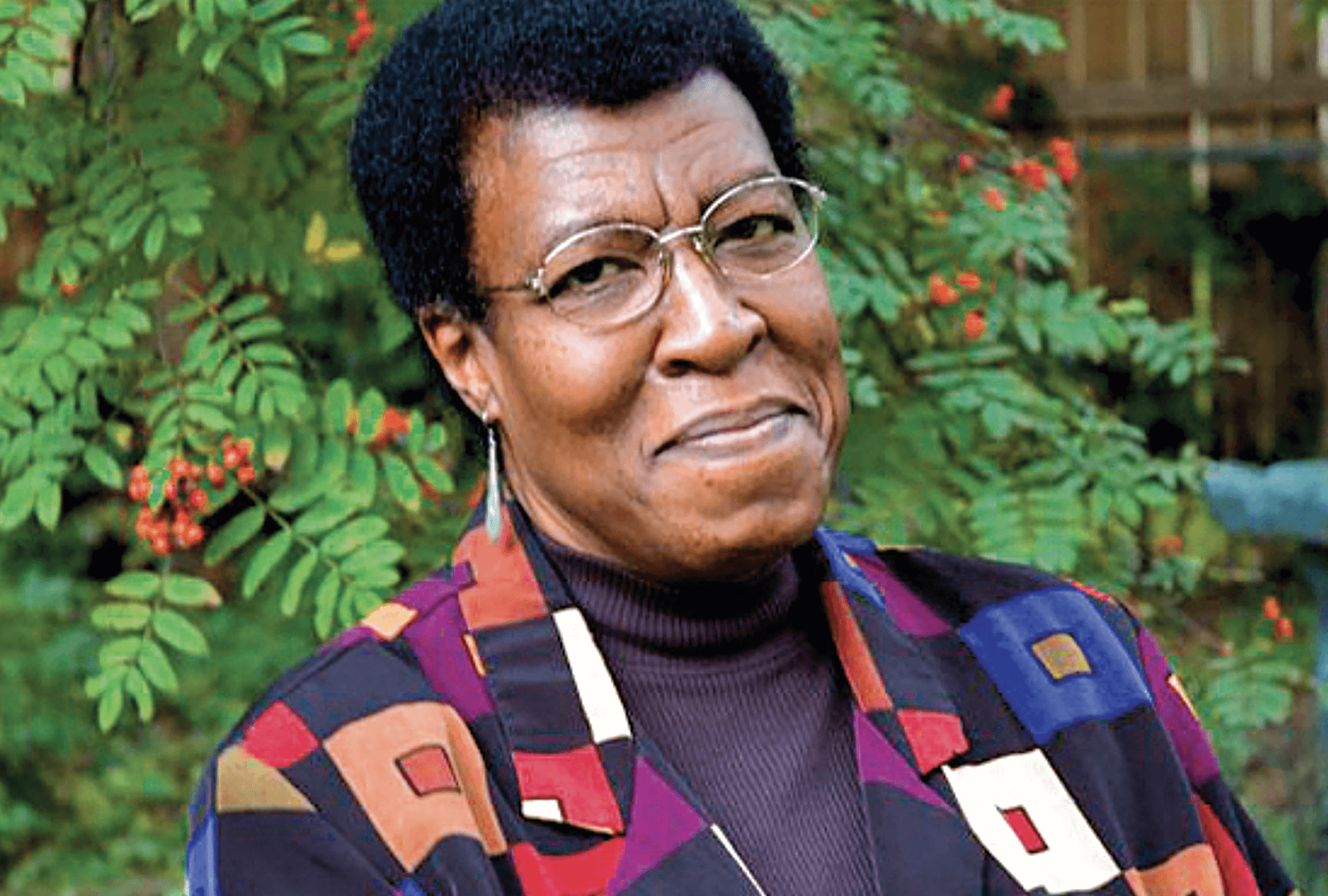
Octavia E. Butler is often the first name that comes to mind when discussing transformative Black voices in speculative fiction. Butler’s work, spanning decades from the late 1970s onward, is foundational to modern sci-fi. In novels like Kindred and the Patternist series, she blended science fiction with deep explorations of race, power, gender, and identity. Kindred, in particular, subverts traditional time-travel narratives by forcing a modern Black woman into the antebellum South, making the horrors of slavery personal and immediate. Butler’s narratives challenged the genre to confront systemic oppression rather than merely imagine futuristic technology, proving that science fiction could be both intellectually ambitious and socially urgent.
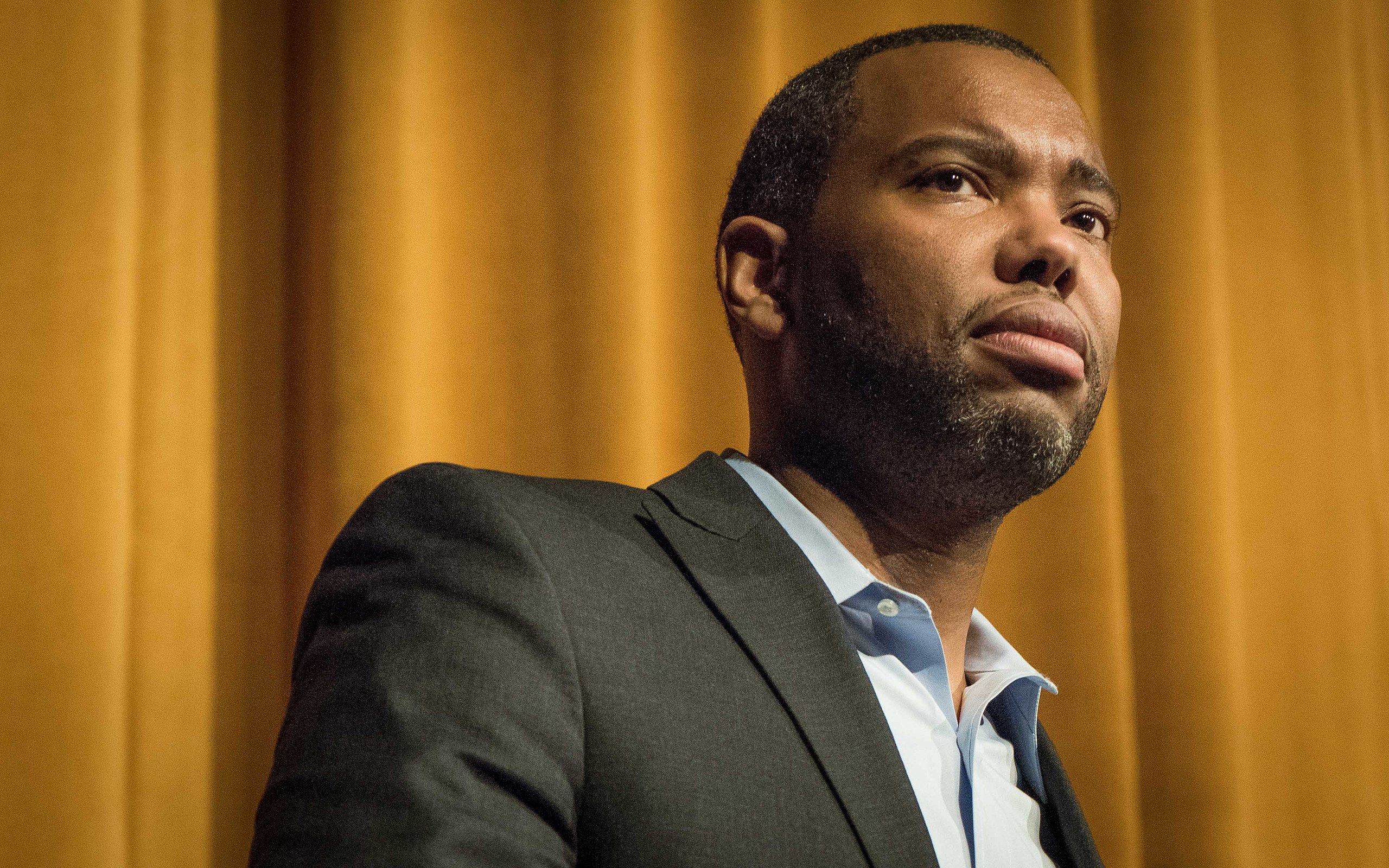
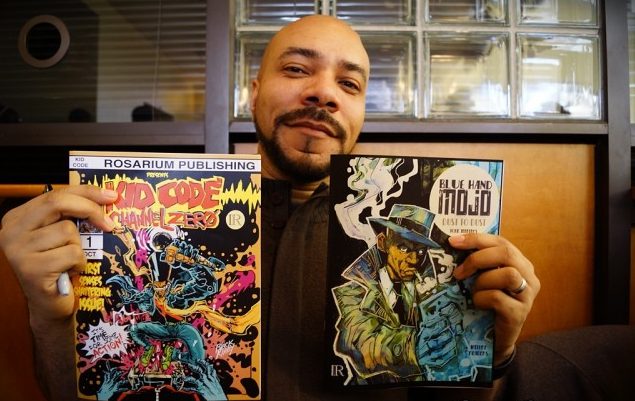
In comics, creators like Ta-Nehisi Coates and John Jennings have pushed boundaries in ways that mainstream superhero narratives rarely do. Coates’ run on Black Panther revitalized the iconic character, blending Afrofuturist ideas with geopolitics and philosophical depth. Jennings’ work on Kindred and other adaptations brings similar gravitas, showing how comics can be more than escapist entertainment but they can actually be a medium for exploring history, memory, and identity. Their combined efforts highlight the potential of genre storytelling to confront systemic issues while captivating audiences with dynamic visuals and imaginative world-building.
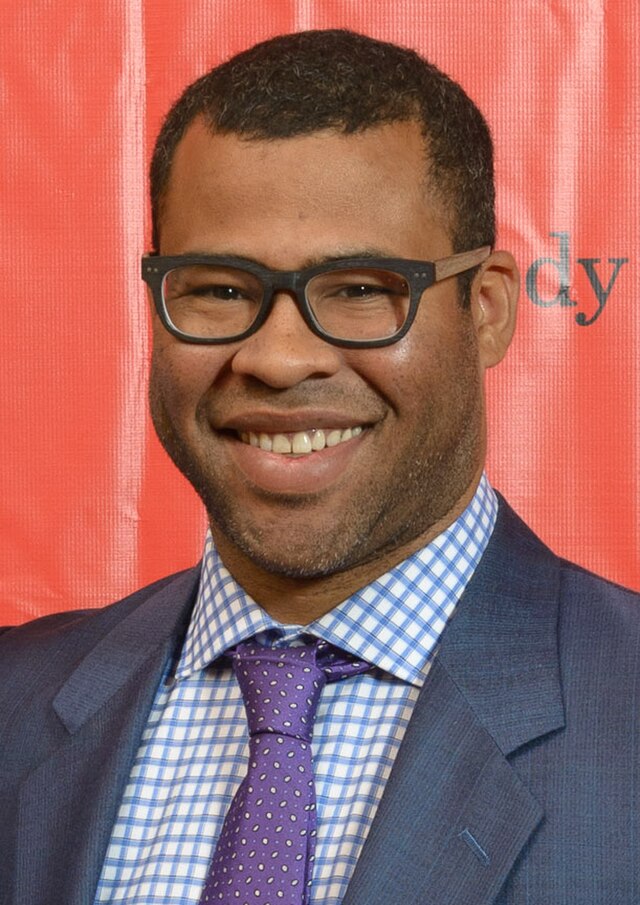
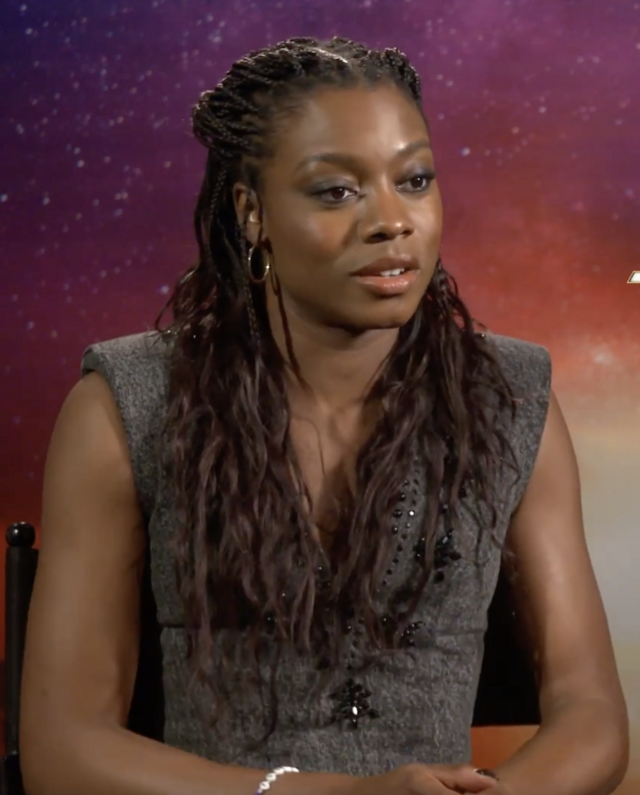
Film and television have similarly benefited from Black creators reimagining genre storytelling. Jordan Peele, whose early career was rooted in comedy, has become a master of socially conscious horror. Get Out and Us don’t just aim to frighten; they interrogate systemic racism, cultural anxieties, and the psychological weight of Black life in America. Similarly, Nia DaCosta has emerged as a visionary filmmaker, blending horror, suspense, and superhero cinema with a distinctive, socially aware lens. Her work on Candyman (2021) honors and reinvents the horror classic, weaving themes of racial trauma, gentrification, and generational memory into the narrative, while her direction of The Marvels signals a bold expansion of Black representation within the superhero genre. Her most recent film 28 Years Later: The Bone Temple allowed her to step back into the horror genre. Peele and DaCosta demonstrate that they have platforms to explore history, identity, and social critique, all while captivating audiences with compelling storytelling.
In the realm of fantasy, N.K. Jemisin’s contributions have been nothing short of revolutionary. Her Broken Earth trilogy, which earned three consecutive Hugo Awards, fuses complex world-building with themes of environmental collapse, societal oppression, and systemic injustice. Jemisin’s work challenges the Eurocentric norms of high fantasy, proving that deeply imaginative worlds can also be reflections of our own social and political realities. She crafts narratives where the stakes are both epic and personal, showing that fantasy can interrogate real-world issues without sacrificing wonder or adventure.
The common thread among these creators is a willingness to challenge conventions and expand the possibilities of genre storytelling. By centering Black experiences and perspectives, they redefine what sci-fi, fantasy, and horror can achieve, both narratively and culturally. They resist tokenization, instead crafting worlds where Black characters, cultures, and histories are not optional but essential to the story.
The influence of Black creators on genre storytelling is ongoing and profound. From the pages of Butler’s novels to the screens of DaCosta’s films, the panels of Coates and Jennings’ comics, these creators continue to challenge assumptions, inspire audiences, and push the boundaries of imagination. They remind us that genres are shaped by the voices who dare to tell new stories, and in doing so, they leave an indelible mark on culture at large.