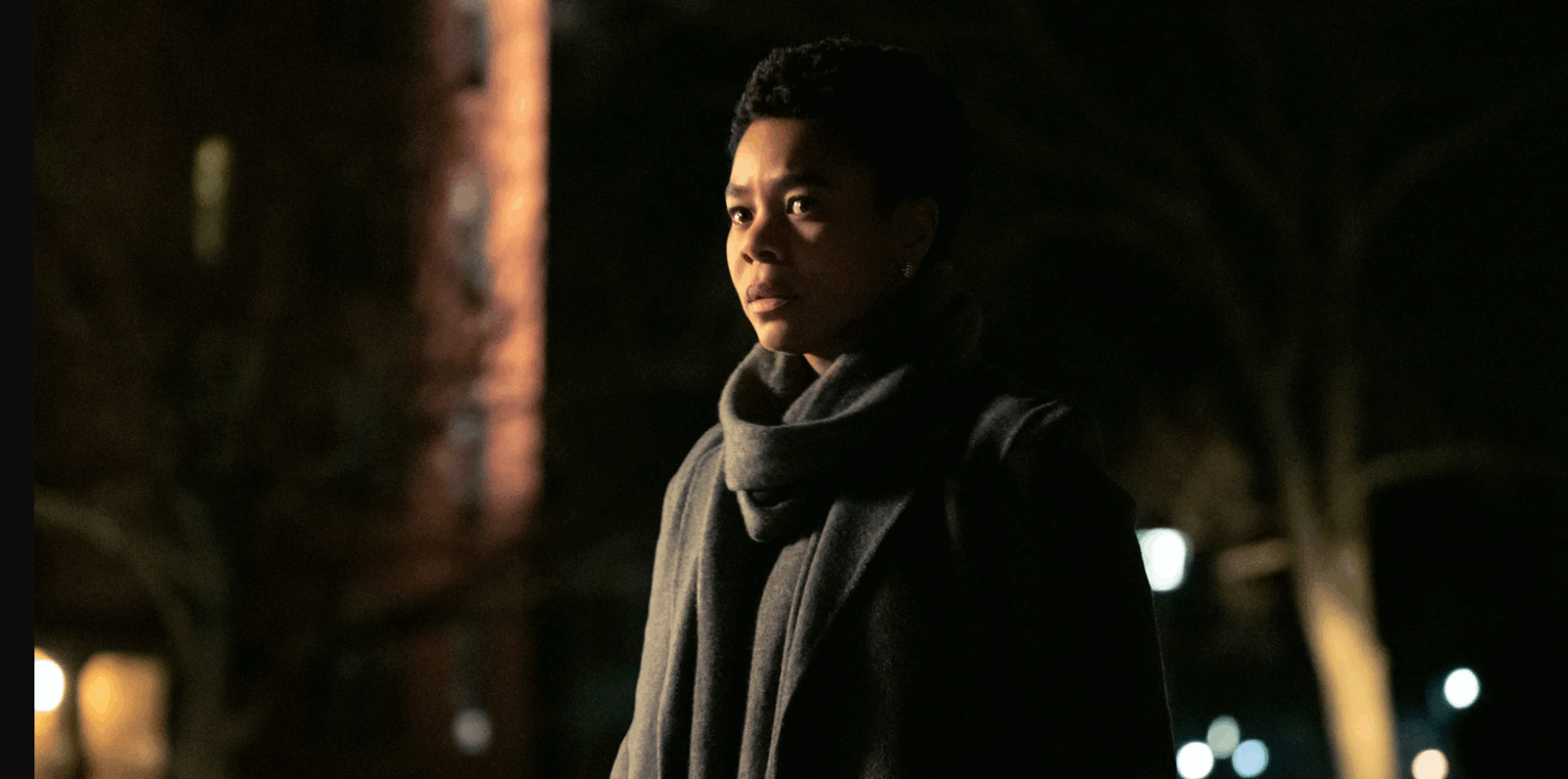

Every Halloween, horror fans crave stories that deliver jump scares, that cut deep, and reveal truths about the world we live in. Enter the new wave of Black horror, where visionary filmmakers are transforming the genre into a space for cultural critique, ancestral storytelling, and unapologetic creativity. These contemporary Black directors are redefining what it means to be afraid, blending supernatural terror with social commentary, folklore, and identity. From Ryan Coogler’s southern gothic masterpiece Sinners to Brandon Espy’s haunting Mr. Crocket, this new generation of storytellers is proving that Black horror isn’t just thriving, it’s leading the conversation. Here are 10 horror films by Black directors you need to check out this Halloween season.
Sinners (2025) — Directed by Ryan Coogler
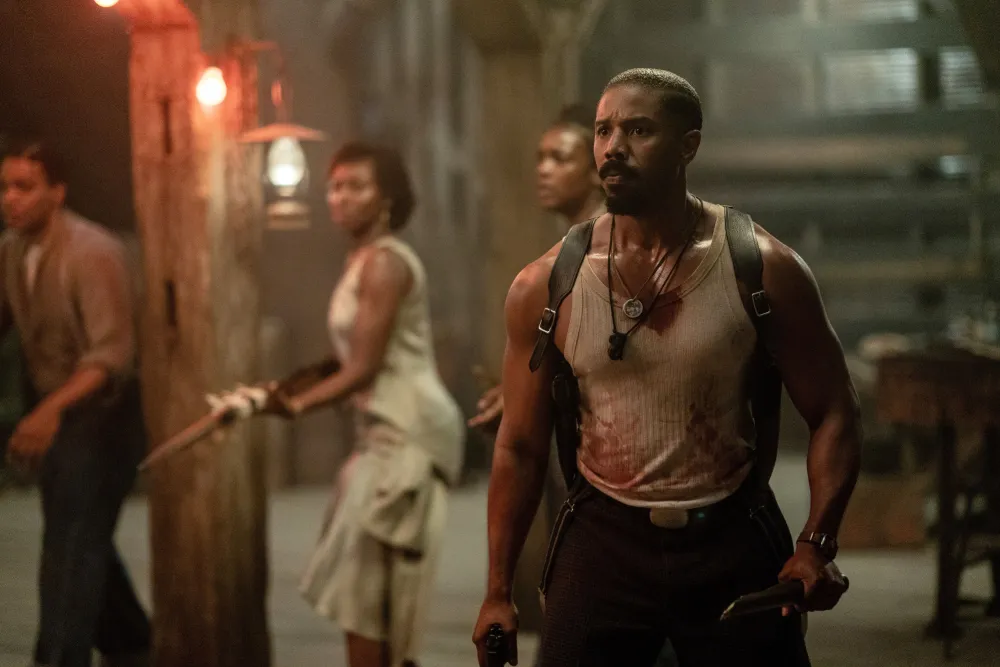
A genre-defying Southern Gothic horror set in 1932 Mississippi, Sinners follows twin brothers Smoke and Stack (both played by Michael B. Jordan) as they return to their hometown to open a Black-owned juke joint. Their hopes are complicated when a supernatural evil — vampires posing as folk musicians — arrives, challenging not just their dreams, but the spirit and culture of their community. Coogler uses rich visuals, music (especially blues), and the horrors of racial oppression, and supernatural threat to explore themes of cultural ownership, community resilience, and spiritual reckoning.
The Angry Black Girl and Her Monster (2023) — Directed by Bomani J. Story
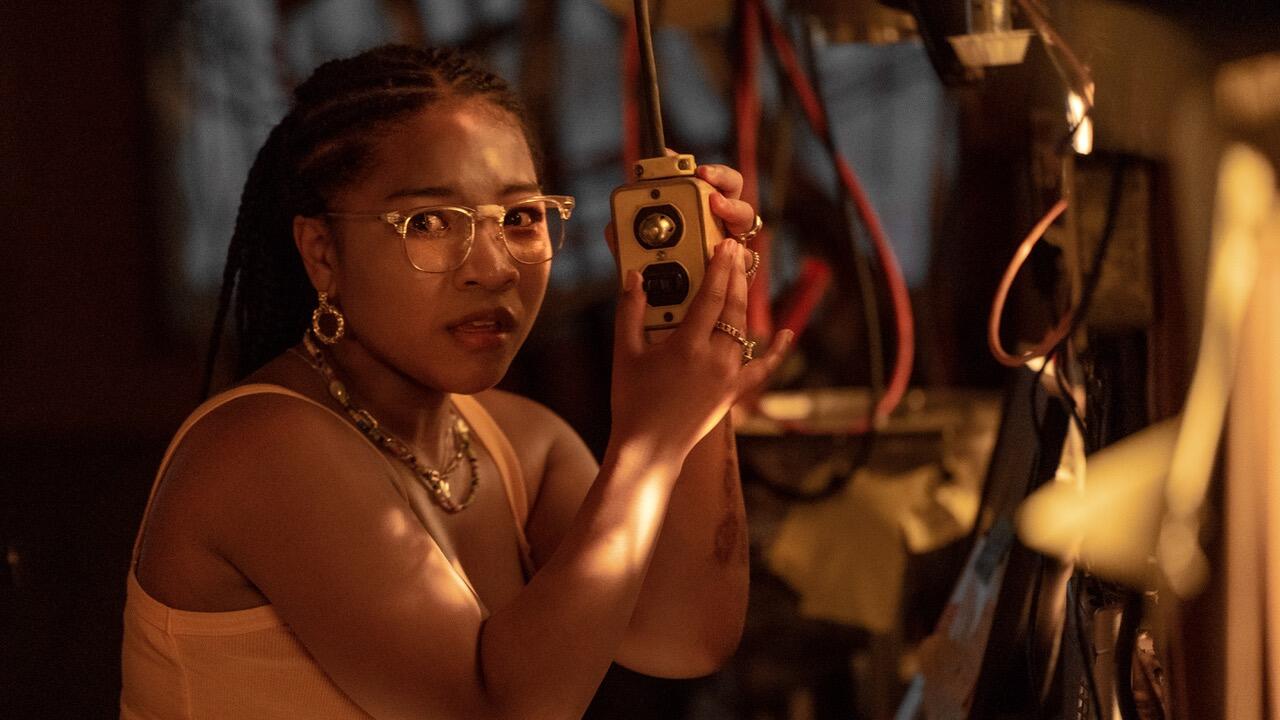
A modern, Afrofuturist twist on Mary Shelley’s Frankenstein, The Angry Black Girl and Her Monster centers on Vicaria, a brilliant teen scientist who believes death is a disease she can cure. When her brother is gunned down in a senseless act of violence, she sets out to resurrect him, only to unleash something monstrous upon her community. Director Bomani J. Story fuses gothic horror with urgent social commentary, crafting a narrative that explores grief, systemic violence, and the dehumanization of Black bodies. By placing a young Black girl at the center of a traditionally white, male narrative, the film reclaims and reimagines the classic monster tale through a lens of empowerment and trauma. It’s bold, emotional, and deeply thought-provoking, making it one of the standout entries in the new era of Black horror.
Master (2022) — Directed by Mariama Diallo
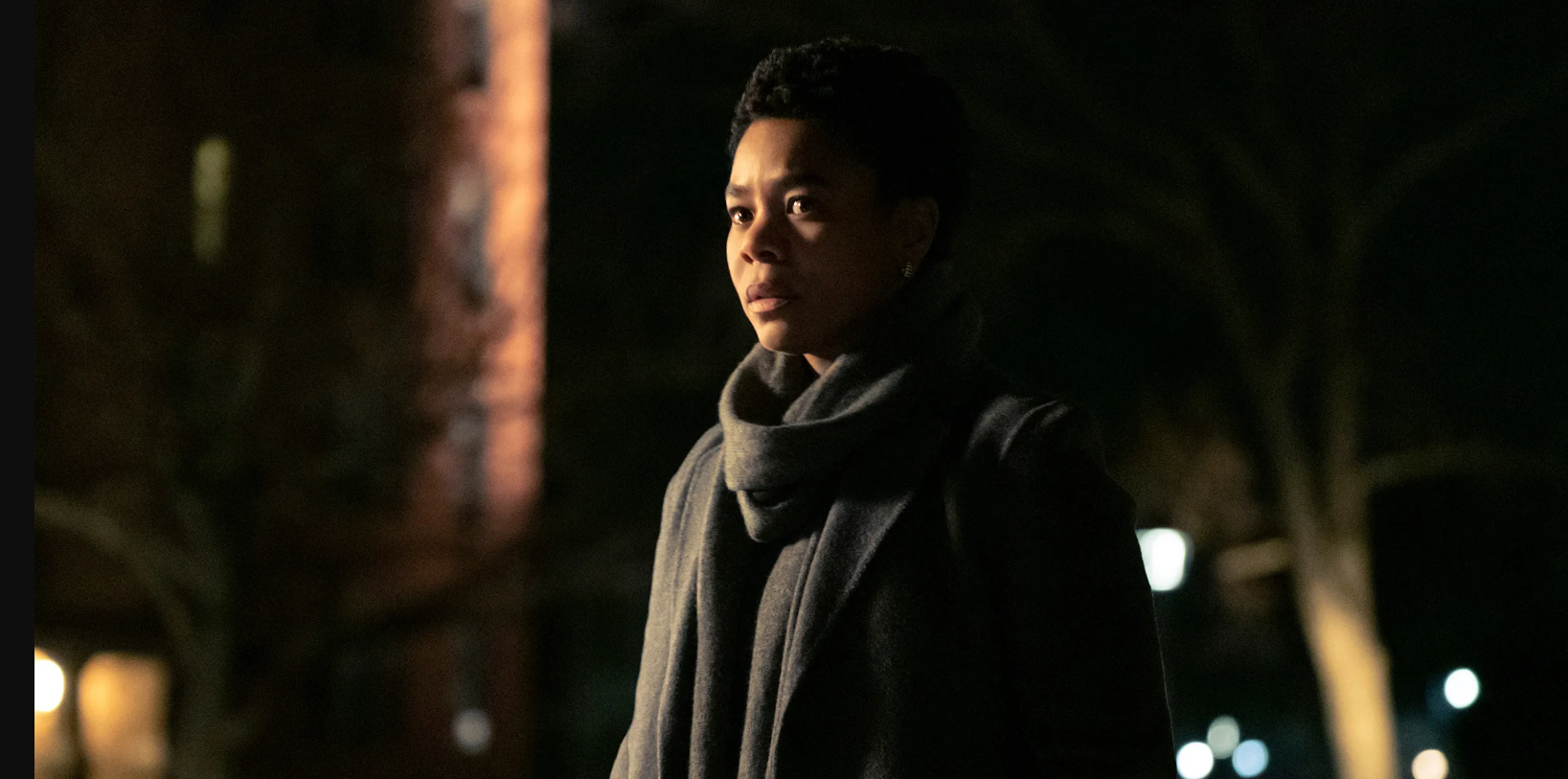
At the elite, predominantly white Ancaster College, three women a newly appointed faculty member, a first-year student, and a seasoned professor grapple with unsettling forces both supernatural and systemic. Regina Hall stars as Gail Bishop, the school’s first Black “master,” who quickly discovers that the real horrors lurking on campus are entwined with racism, isolation, and the weight of expectation. Writer-director Mariama Diallo uses the haunted campus setting as a chilling metaphor for institutional racism and the psychological toll of navigating spaces not built for you. Balancing ghost story elements with razor-sharp social critique, Master blurs the line between the paranormal and the painfully real. It’s as atmospheric as it is intellectual. An unnerving reflection on the persistence of privilege and exclusion in supposedly progressive spaces.
Mr. Crocket (2024) — Directed by Brandon Espy
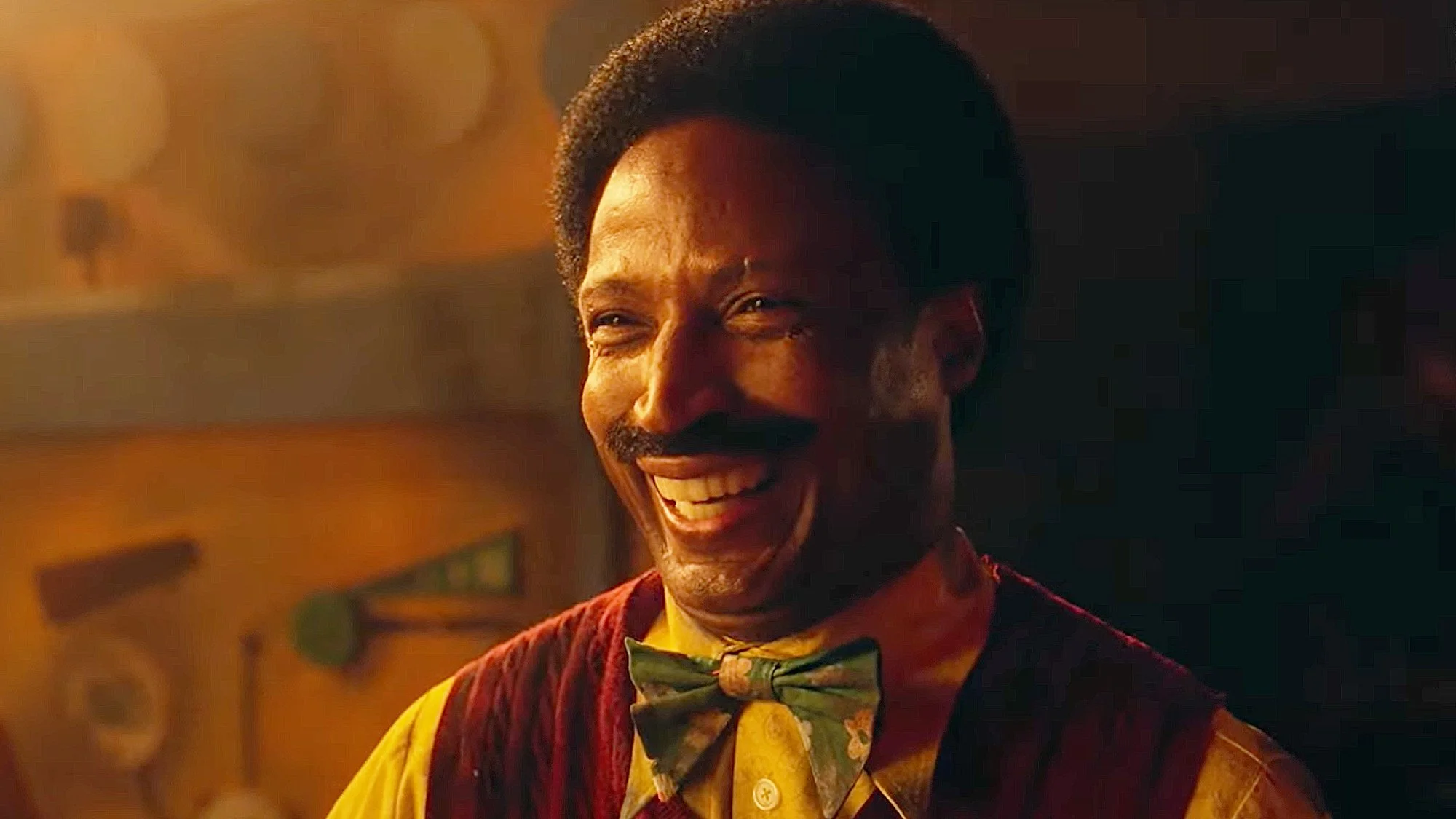
In Mr. Crocket, nostalgia turns nightmarish. This chilling supernatural horror follows a single mother who discovers her child has become dangerously obsessed with a mysterious children’s TV host named Mr. Crocket, only to realize the character isn’t confined to the screen. As the lines between television and reality blur, a sinister force emerges, feeding on grief, loneliness, and the ghosts of childhood. Brandon Espy, expanding on his viral short film, delivers a haunting story that mixes Goosebumps-style retro aesthetics with deeply emotional, psychological horror. By using the lens of Black motherhood, Espy crafts a narrative that’s as tender as it is terrifying. Examining how media, memory, and trauma can manifest into literal demons. With its VHS-era visuals, practical effects, and layered themes, Mr. Crocket stands as one of 2024’s most inventive horror debuts.
His House (2020) – Directed by Remi Weekes

Horror meets heartbreak in Remi Weekes’ stunning debut, His House, a ghost story layered with the trauma of displacement and survival. The film follows Bol and Rial, a refugee couple from South Sudan who seek asylum in England, only to discover that their government-issued home harbors a dark presence. As supernatural forces close in, the couple must confront not only the haunting spirits within their walls, but also the guilt and grief they carry from their journey. Weekes fuses psychological horror with social realism, creating a deeply emotional experience that explores what it means to find belonging when your past refuses to let go. By grounding the supernatural in the very real horror of the refugee experience, His House becomes both terrifying and profoundly human. Anchored by powerful performances from Ṣọpẹ́ Dìrísù and Wunmi Mosaku, the film reveals that sometimes, the scariest ghosts are the ones within us.
Spell (2020) — Directed by Mark Tonderai
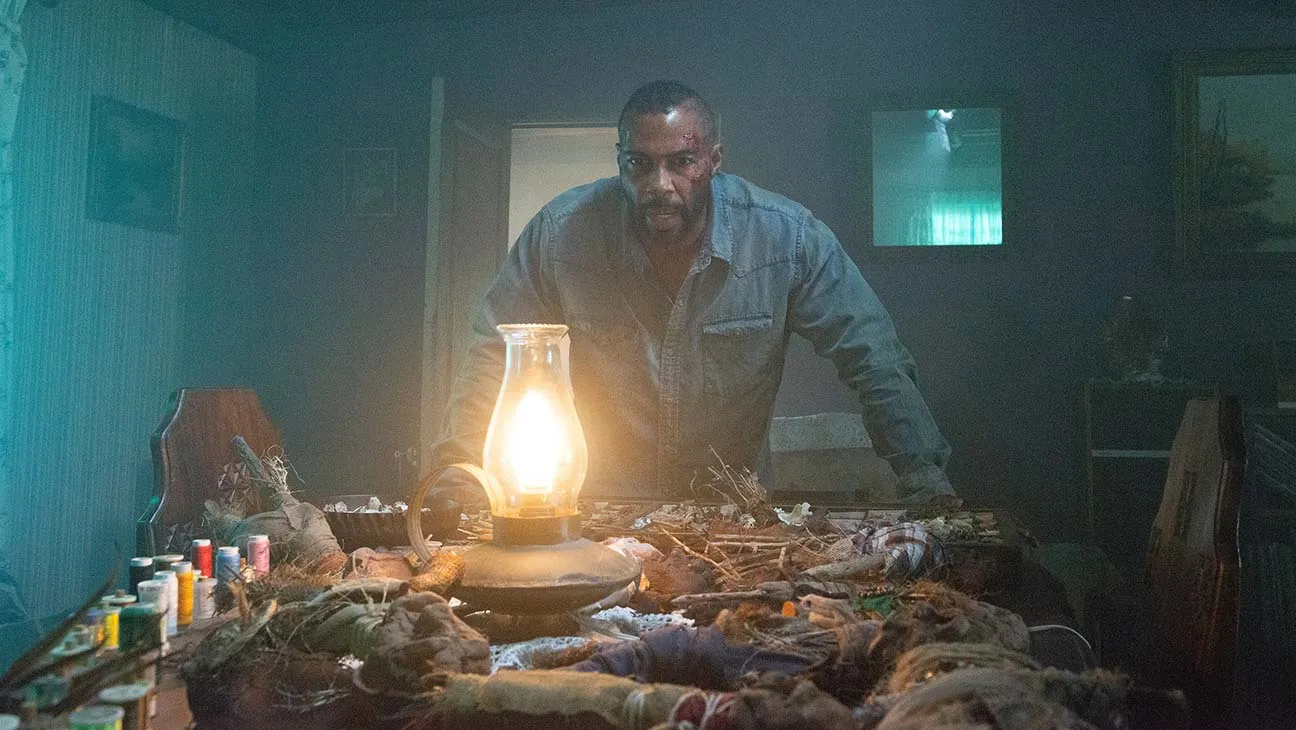
In this Southern Gothic horror, a man’s fight for survival becomes a descent into dark magic and ancestral terror. When Marquis (played by Omari Hardwick) crash-lands his plane in rural Appalachia, he wakes to find himself trapped in the attic of a mysterious woman named Eloise (Loretta Devine), who claims she’s healing him with Hoodoo rituals. But as he uncovers her true intentions, Marquis realizes the only way out is through confronting forces — both mystical and personal — that he doesn’t fully understand. Director Mark Tonderai weaves a tense, claustrophobic thriller rooted in African American folklore, exploring themes of faith, superstition, and generational trauma. With its moody atmosphere and chilling performances, Spell adds a distinct voice to the Black horror canon, one that honors spiritual traditions while warning of their misuse.
Nanny (2022) — Directed by Nikyatu Jusu
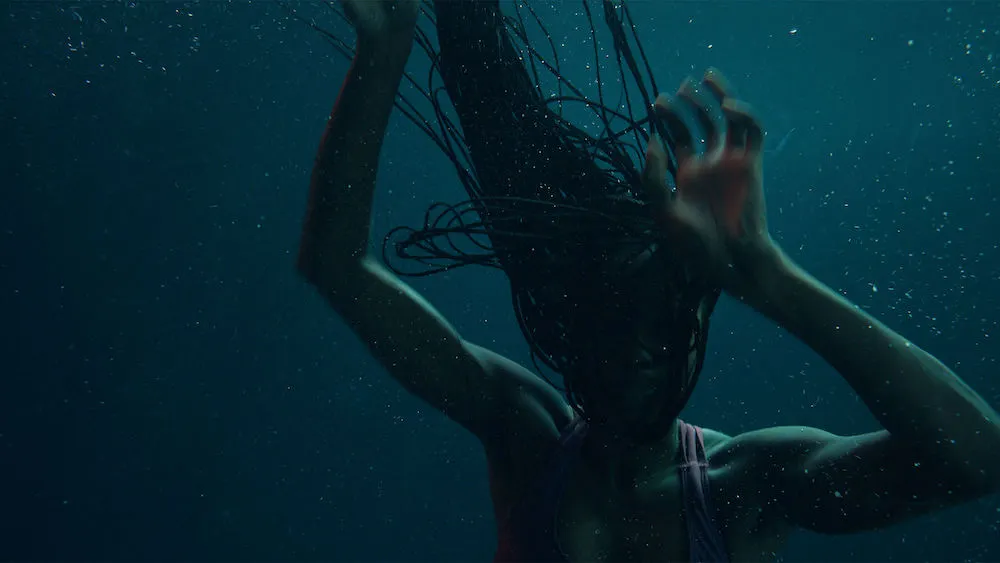
Nanny is a haunting, poetic blend of psychological horror and West African folklore that explores the cost of chasing the American Dream. The film follows Aisha (Anna Diop), an undocumented Senegalese immigrant working as a nanny for a wealthy Manhattan family. As she struggles with homesickness and the separation from her young son, Aisha begins to experience terrifying visions connected to West African spirits, a supernatural manifestation of her grief, guilt, and longing. Writer-director Nikyatu Jusu uses the horror genre to illuminate themes of motherhood, migration, and identity, crafting a story that’s as emotionally resonant as it is eerie. With its slow-burning tension and stunning visuals, Nanny is less about jump scares and more about the psychological unraveling that comes with navigating systemic inequality and personal loss. The film made history by becoming the first horror film to win Sundance’s Grand Jury Prize, signaling a bold new direction for Black women in genre filmmaking.

Candyman (2021) — Directed by Nia DaCosta
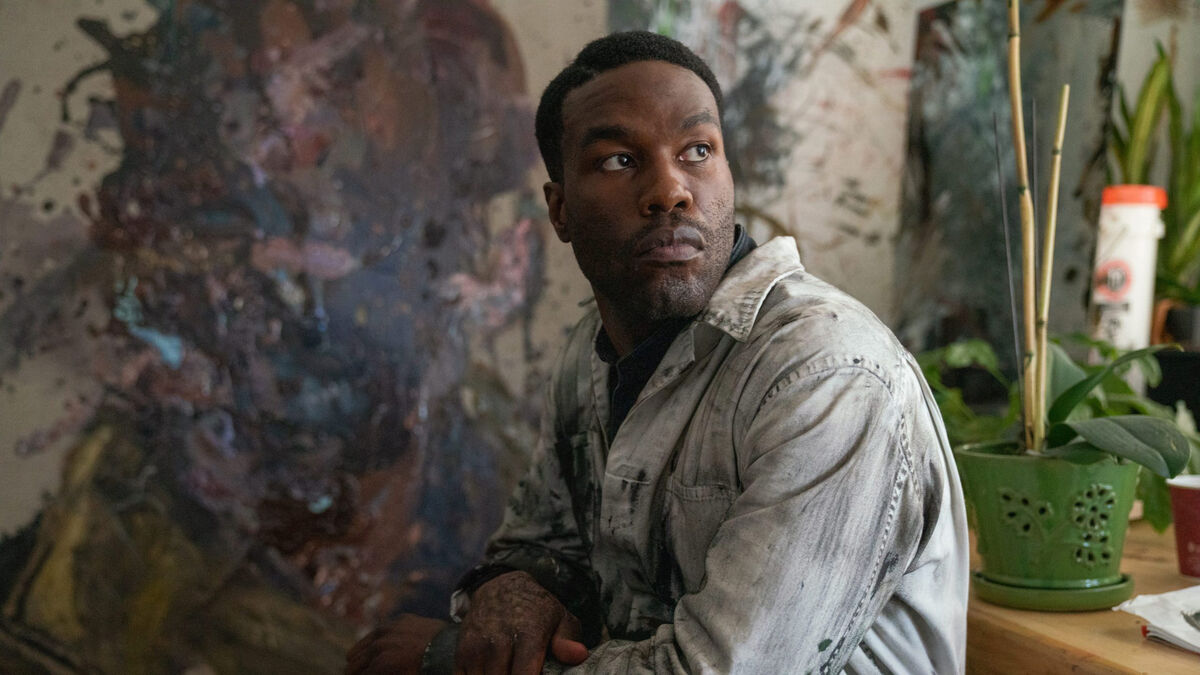
Say his name if you dare. In Candyman, director Nia DaCosta revives and reimagines the 1992 horror classic through a modern, socially conscious lens. Set once again in Chicago’s Cabrini-Green neighborhood, the story follows artist Anthony McCoy (Yahya Abdul-Mateen II), whose obsession with the Candyman legend awakens a cycle of violence and vengeance. As he digs deeper, Anthony discovers that the true horror isn’t just supernatural, it’s embedded in the trauma of gentrification, racism, and erased histories. Co-written by DaCosta and Jordan Peele, Candyman blends slasher horror with psychological and cultural commentary, expanding the mythos into a meditation on how violence against Black communities echoes through generations. DaCosta’s bold visual storytelling and use of shadow puppetry turn urban folklore into a chilling allegory about memory, art, and identity.
The Blackening (2023) — Directed by Tim Story
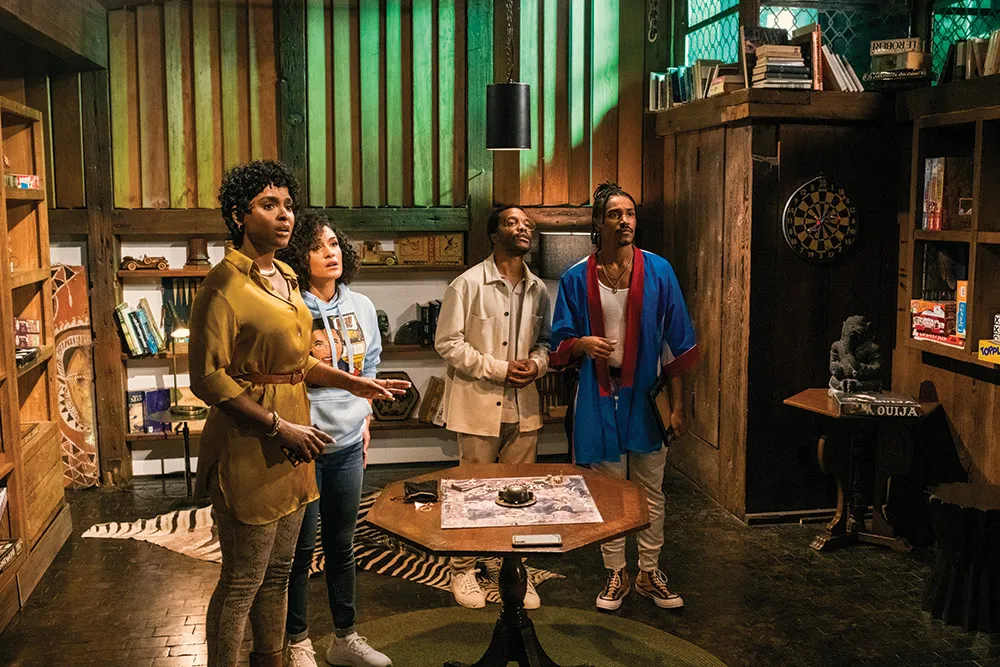
Horror meets hilarity in The Blackening, a satirical slasher that flips classic horror tropes on their head. A group of Black friends reunites at a remote cabin in the woods for a Black National Weekend getaway—only to find themselves targeted by a masked killer. As bodies start piling up, they quickly realize surviving requires outsmarting the genre itself. Director Tim Story combines sharp social commentary with meta-humor, skewering the “Black characters always die first” trope while still delivering genuine suspense and gore. The film cleverly balances comedy with scares, offering a self-aware reflection on how Black experiences are often marginalized—even in horror.
Our Father, The Devil (2021) — Directed by Ellie Foumbi
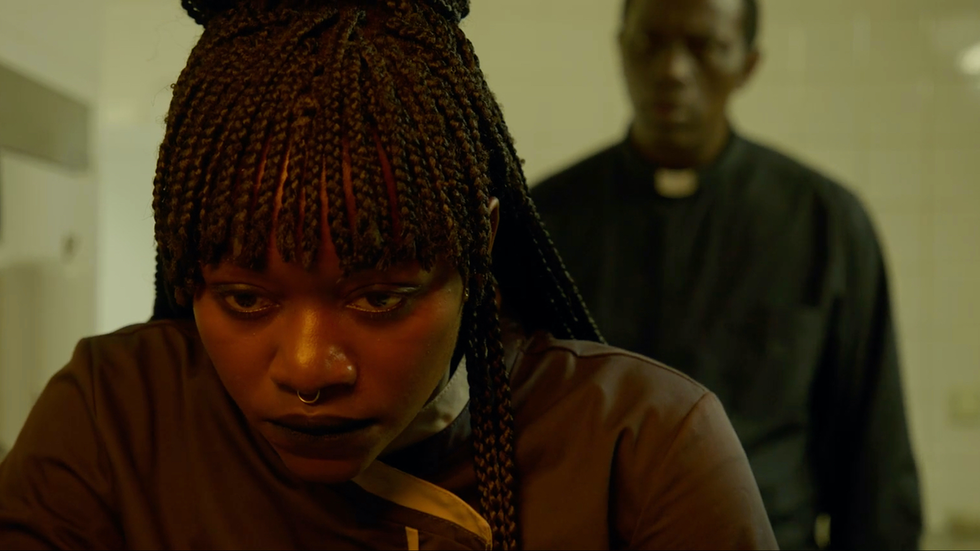
In her gripping feature debut, Ellie Foumbi crafts a haunting psychological thriller that delves into the complexities of trauma, guilt, and the quest for redemption. The film follows Marie, portrayed by Babetida Sadjo, a former child soldier from Guinea now living in France and working as the head chef at a retirement home. Her seemingly peaceful life is disrupted when Father Patrick, a priest from her homeland, arrives at the home. Marie recognizes him as the warlord responsible for atrocities she endured, forcing her to confront her past and grapple with the possibility of revenge or forgiveness. Foumbi’s direction is marked by a slow-burn intensity, allowing the tension to build as Marie’s internal conflict intensifies. The film’s exploration of moral ambiguity and the haunting presence of past traumas is underscored by Sadjo’s powerful performance, which has been lauded for its depth and nuance. Critics have praised the film for its ability to transform familiar themes into a fresh and compelling narrative.